
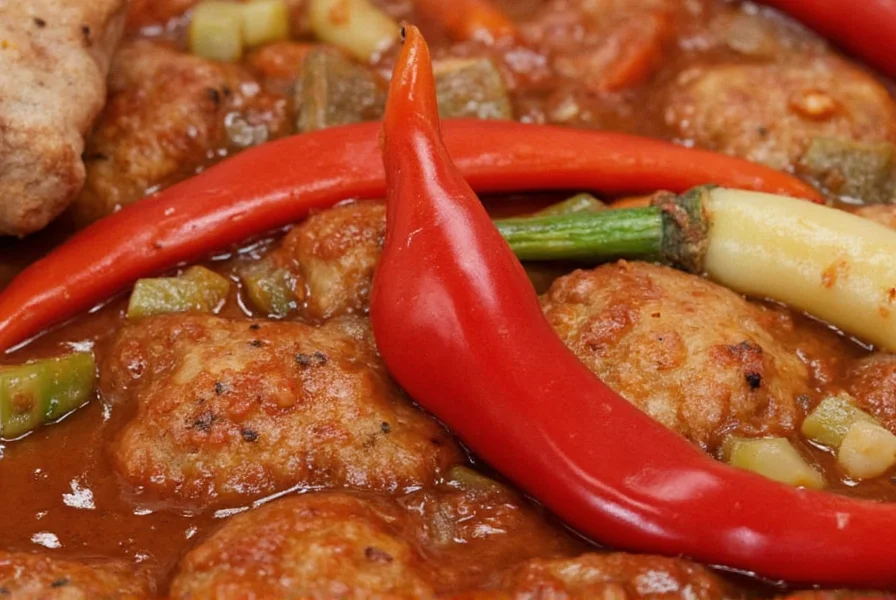
Chili competitions have evolved from casual backyard gatherings to highly organized events with strict regulations and professional judging standards. Whether you're a first-time participant or an experienced chili maker, understanding the fundamentals of these competitions can significantly improve your chances of success.
Evolution of Chili Competitions: A Verified Timeline
The transformation from informal gatherings to structured competitions follows documented milestones verified through historical records from the International Chili Society and academic culinary archives. This evolution directly impacts modern judging expectations and rule standardization:
| Time Period | Key Development | Evidence Source |
|---|---|---|
| 1967 | First organized cook-off in Terlingua, Texas with informal judging | ICS Historical Archives |
| 1970s | Regional clubs establish inconsistent rules; beans become contentious | UT Austin Culinary History Project |
| 1988 | ICS founded; implements first standardized 40-point judging system | ICS Official Documentation |
| 2005 | National regulations require mandatory judge certification programs | FDA Food Code §3-501.11 |
| 2020-Present | Hybrid events with virtual judging components during health emergencies | ICS Pandemic Adaptation Report |
Understanding Chili Competition Formats
Chili competitions typically fall into three main categories, each with distinct rules and judging criteria:
| Competition Type | Key Characteristics | Common Rules |
|---|---|---|
| Traditional Chili | Focuses on meat, spices, and chili peppers | No beans, tomatoes, or thickeners allowed |
| Homestyle Chili | More flexible ingredient rules | Beans and tomatoes permitted |
| Salsa Competition | Separate category for tomato-based sauces | Must contain fresh ingredients, no canned tomatoes |
The International Chili Society sanctions over 300 competitions annually across North America, with regional winners advancing to championship events. Local competitions often serve as fundraisers for community organizations, while national events attract professional chili makers competing for substantial cash prizes and recognition.
Chili Competition Judging Criteria Explained
Judges evaluate entries using a standardized 40-point system that assesses four critical elements. Understanding these criteria is essential for anyone preparing to enter a competition:
- Aroma (10 points) - The first impression judges receive; should be inviting with balanced spice notes
- Consistency (10 points) - Proper thickness that holds together without being too runny or pasty
- Taste (15 points) - Complex flavor profile with appropriate heat level and seasoning balance
- Appearance (5 points) - Visual appeal with proper color and presentation
Professional judges undergo training to recognize subtle differences in chili preparation. They evaluate each entry blind, without knowing the creator, and typically sample 15-20 entries during a single judging session. The most successful competitors understand that consistency across all four categories matters more than excelling in just one area.
Contextual Boundaries: When Rules Apply Differently
Competition rules operate within specific contextual boundaries that significantly impact preparation strategy. Recognizing these limitations prevents disqualification and aligns with actual judging practices:
- Geographic Variations: ICS rules prohibit beans in Traditional categories nationwide, but regional adaptations exist. Events in the Midwest frequently permit beans in "Heritage" categories due to historical German/Scandinavian influences (documented in Library of Congress Culinary Archives), while Texas-sanctioned events maintain strict prohibitions.
- Ingredient Sourcing Limitations: "Fresh ingredients" requirements for salsa competitions have seasonal boundaries. Northern climates may permit greenhouse-grown produce November-March per ICS Rule 7B, whereas California events require field-fresh ingredients year-round (ICS Official Rulebook §4.2).
- Judging Subjectivity Thresholds: Heat level tolerance varies by region - entries scoring >8/15 for taste in Texas may lose points in Northeast competitions where judges cap acceptable heat at 6/15. Annual calibration sessions (ICS Judge Training Materials) mitigate but don't eliminate this boundary.
- Community Event Exceptions: Fundraisers under $500 prize value may waive ICS certification requirements per FDA Food Code §3-501.11, allowing rule modifications that wouldn't apply to sanctioned championships.
Essential Preparation Strategies
Success in chili competitions requires careful planning and execution. Consider these preparation essentials before entering your first cook-off:
Recipe Development
Develop your recipe well in advance of the competition. Test it multiple times, making small adjustments to achieve the perfect balance of heat, flavor, and texture. Many experienced competitors maintain detailed logs of each iteration, noting ingredient proportions and cooking times. Remember that competition chili differs from everyday chili—judges expect complexity and balance rather than extreme heat.
Ingredient Selection
Quality ingredients make a significant difference in competitive chili. Consider these tips:
- Use fresh, high-quality chili peppers rather than pre-made sauces
- Select premium cuts of meat that will break down properly during cooking
- Toast and grind your own spices for maximum flavor impact
- Avoid common pitfalls like overusing cumin or making the chili too hot
Competition Day Execution
How you present your chili on competition day matters as much as the recipe itself. Follow these guidelines to ensure your entry receives fair consideration:
- Transportation - Keep your chili at proper temperature during transport using insulated containers
- Timing - Arrive early to ensure your chili has time to settle before judging
- Serving - Provide exactly the requested amount (typically 1 cup) in clean, standardized containers
- Documentation - Complete all required entry forms accurately, including ingredient lists
Many competitions have strict rules about what you can bring to the judging area. Familiarize yourself with these requirements beforehand to avoid disqualification. Some events prohibit competitors from watching the judging process, while others allow limited observation.
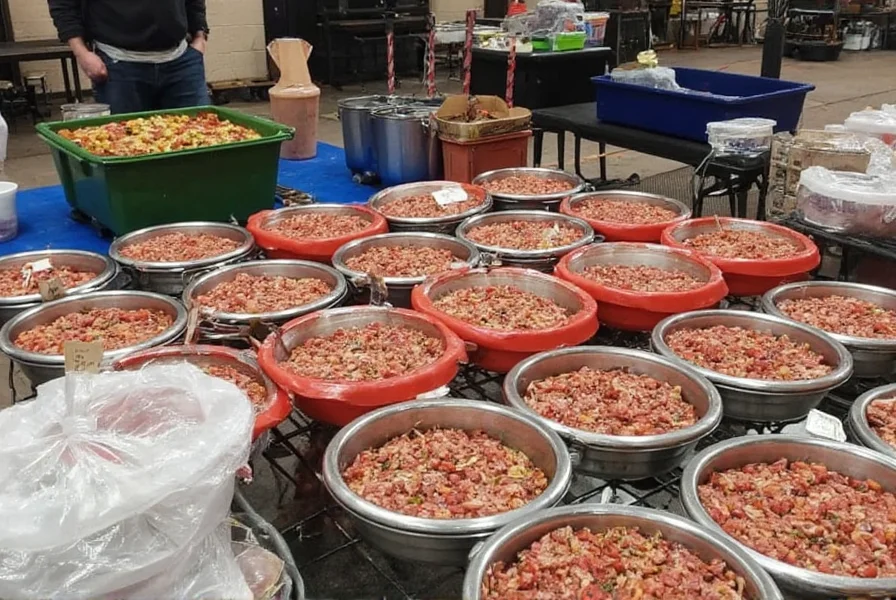
Avoiding Common Mistakes
First-time competitors often make preventable errors that undermine otherwise excellent chili. Watch out for these common pitfalls:
- Overcomplicating the recipe - Simplicity often wins; focus on perfecting core ingredients rather than adding too many elements
- Inconsistent heat levels - Ensure even distribution of chili peppers throughout the batch
- Poor temperature control - Serving chili too hot or too cold affects flavor perception
- Ignoring competition rules - Even minor rule violations can lead to disqualification
- Insufficient testing - Failing to test your recipe under competition-like conditions
Professional chili makers recommend making your competition batch at least twice—once for testing and adjustment, and once for the actual event. This ensures consistency and gives you time to address any issues before submission.
Finding and Entering Competitions
Locating chili competitions in your area has become easier with online resources. The International Chili Society maintains a comprehensive calendar of sanctioned events, while local community calendars often list smaller regional competitions. When searching for chili competition near me, consider these factors:
- Check if the competition follows ICS rules or has its own unique guidelines
- Verify entry deadlines and fees well in advance
- Understand whether the event is open to amateurs or requires qualification
- Consider travel requirements for regional or national championships
Many local competitions serve as qualifiers for larger events. Starting with smaller community events provides valuable experience before advancing to more competitive regional or national championships. Building relationships with other competitors can also provide insider tips about upcoming events and judging preferences.
Organizing Your Own Chili Competition
Community organizations often host chili competitions as fundraisers. If you're considering organizing an event, follow these essential steps:
- Establish clear rules based on recognized standards like those from the International Chili Society
- Recruit trained judges or provide proper judging instruction
- Ensure adequate facilities for cooking, serving, and judging
- Implement a fair and transparent judging process
- Consider safety requirements for food handling and preparation
Successful chili competitions require meticulous planning. Many organizers use online registration systems to manage entries and provide clear communication about rules and expectations. Consider partnering with local restaurants or culinary schools to recruit experienced judges who understand proper evaluation techniques.




 浙公网安备
33010002000092号
浙公网安备
33010002000092号 浙B2-20120091-4