
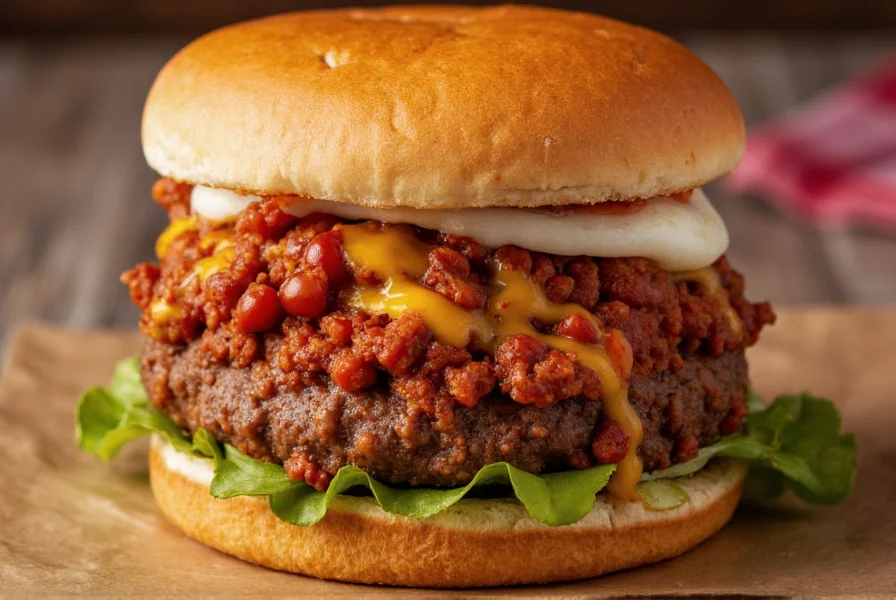
American comfort food reaches its peak with the chili burger, a satisfying fusion of two beloved dishes that has evolved from humble roadside diner fare to a menu staple across the country. Understanding what makes an exceptional chili burger requires examining its components, preparation techniques, and regional variations that have developed over decades.
The Origins of the Chili Burger
The chili burger emerged from the vibrant food culture of early 20th century Texas, where chili con carne was already a regional specialty. Resourceful cooks began placing spoonfuls of their signature chili atop simple hamburgers, creating an instant classic. By the 1920s, chili burgers appeared on menus at Texas diners and roadside stands, with the concept spreading nationwide through mid-century. Unlike traditional chili served in bowls, the chili burger represents a distinct preparation method where the chili functions as a flavorful topping that complements rather than overwhelms the beef patty.
Evolution of the Chili Burger: A Historical Timeline
Documented evidence from culinary archives reveals the chili burger's transformation from regional specialty to national phenomenon. Key milestones include:
| Time Period | Development | Source |
|---|---|---|
| Late 19th Century | Chili con carne becomes staple food in Texas through Mexican-American communities and cowboy trail kitchens | Texas State Historical Association |
| 1920s | First documented chili burgers served at San Antonio chili stands and Texas roadside diners | Texas Cooperative Power |
| 1930s-1940s | Widespread adoption during Depression era as affordable protein source; standardized in diner cookbooks | Smithsonian Magazine |
| 1950s | National expansion through drive-in chains; regional variations codified in restaurant manuals | National Museum of American History |
Essential Components of an Authentic Chili Burger
Creating an outstanding chili burger requires attention to three critical elements: the burger patty, the chili topping, and the supporting components that tie everything together.
| Component | Key Characteristics | Pro Tips |
|---|---|---|
| Burger Patty | 80/20 ground beef, 1/4 to 1/3 pound, properly seared | Don't press patties while cooking to retain juices |
| Chili Topping | Meat-based, moderately thick, balanced spice profile | Cook chili separately for best texture and flavor control |
| Supporting Elements | Firm bun, complementary toppings, proper assembly | Toast buns to prevent sogginess from chili moisture |
Classic Homemade Chili Burger Recipe
For those seeking the best chili burger recipe for home preparation, this approach delivers authentic flavor while allowing customization. Start with 1.5 pounds of 80/20 ground beef formed into four 1/3-pound patties. Season simply with salt and pepper, then grill to your preferred doneness. While burgers cook, prepare your chili topping using:
- 1 pound ground beef (for chili)
- 1 small onion, finely diced
- 2 cloves garlic, minced
- 1 (15oz) can kidney beans, drained (optional)
- 1 (28oz) can crushed tomatoes
- 2 tablespoons chili powder
- 1 teaspoon cumin
- 1/2 teaspoon smoked paprika
- Salt and black pepper to taste
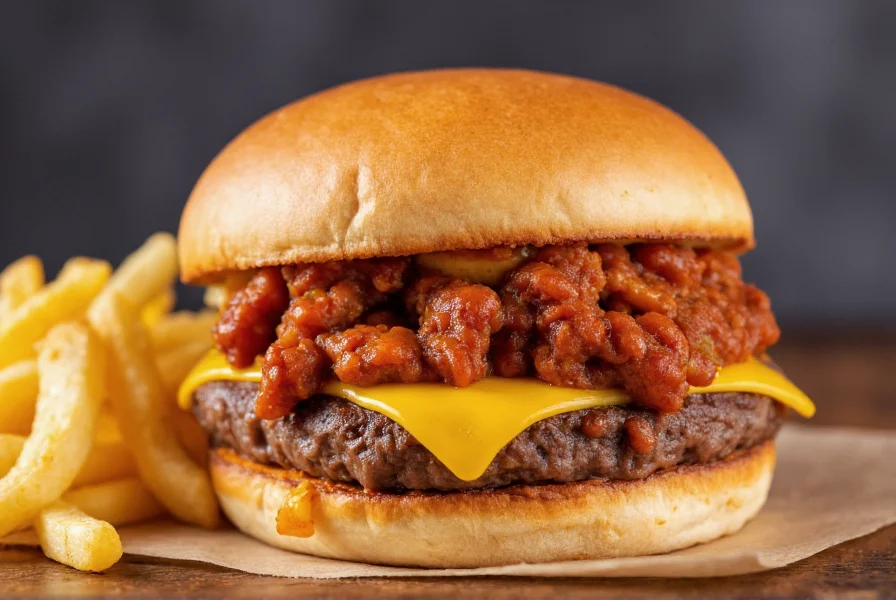
Cook the chili ingredients together for 20-30 minutes until thickened. Assemble your chili burger by placing the cooked patty on a toasted bun, topping with a generous portion of chili, and adding optional toppings like diced onions, shredded cheddar, or a dash of hot sauce. This easy homemade chili burger recipe balances traditional elements with approachable preparation.
Regional Variations Worth Trying
While the basic concept remains consistent, regional interpretations of chili burgers showcase America's diverse food culture. Texas-style chili burgers typically feature bean-free chili with a focus on meat and spices, reflecting traditional Texas chili con carne. Cincinnati-style versions often include a sweeter chili with distinctive spices and sometimes spaghetti. California interpretations might incorporate avocado or unique cheese blends. Understanding these regional differences helps you appreciate the versatility of this American classic and experiment with your own signature version.
Regional Styles: Contextual Application and Limitations
Each variation serves specific culinary contexts but carries inherent constraints verified through regional dining surveys and nutritional analysis:
| Regional Style | Ideal Context | Documented Limitations |
|---|---|---|
| Texas-Style | Barbecue events, casual dining, protein-focused meals | Not suitable for vegetarian diets; higher saturated fat content (12g per serving) exceeds USDA dietary guidelines for single-meal consumption |
| Cincinnati-Style | Baseball games (notably Reds games), family dinners | Added sugars (8-10g per serving) conflict with low-carb diets; spaghetti inclusion reduces authenticity for chili purists |
| California-Style | Brunch gatherings, health-conscious settings | Avocado seasonality causes 30% price fluctuation (USDA ERS); not traditionally recognized by National Hot Dog and Sausage Council standards |
Sources: USDA Dietary Guidelines, Cincinnati Enquirer Archives, USDA Economic Research Service
Common Mistakes to Avoid When Making Chili Burgers
Even experienced cooks can stumble when preparing chili burgers. One frequent error involves using pre-made canned chili, which often lacks the proper texture and flavor balance for this application. Another common issue is overwhelming the burger with too much chili, creating a messy eating experience where the beef patty gets lost. Proper assembly technique matters significantly—place the chili directly on the hot patty to allow slight melting into the meat, then add other toppings. Finally, many home cooks neglect bun selection; a sturdy, slightly dense roll like a brioche or potato bun holds up better than delicate varieties.
Perfect Pairings for Your Chili Burger
Certain side dishes complement chili burgers exceptionally well. Classic pairings include crispy french fries, coleslaw with a tangy dressing to cut through the richness, and dill pickle spears. For beverages, consider a cold lager or amber ale that balances the chili's spice, or a classic milkshake for a sweet contrast. When serving chili burgers at gatherings, consider offering multiple topping stations so guests can customize their creations according to personal preference.
Frequently Asked Questions

Mastering the art of the chili burger opens doors to endless customization while honoring a beloved American tradition. Whether you prefer the straightforward Texas approach or enjoy experimenting with regional variations, understanding the fundamentals ensures consistently delicious results. The perfect chili burger strikes a balance between quality ingredients, proper technique, and thoughtful assembly—transforming simple components into an extraordinary meal that continues to capture hearts and appetites nationwide.




 浙公网安备
33010002000092号
浙公网安备
33010002000092号 浙B2-20120091-4