
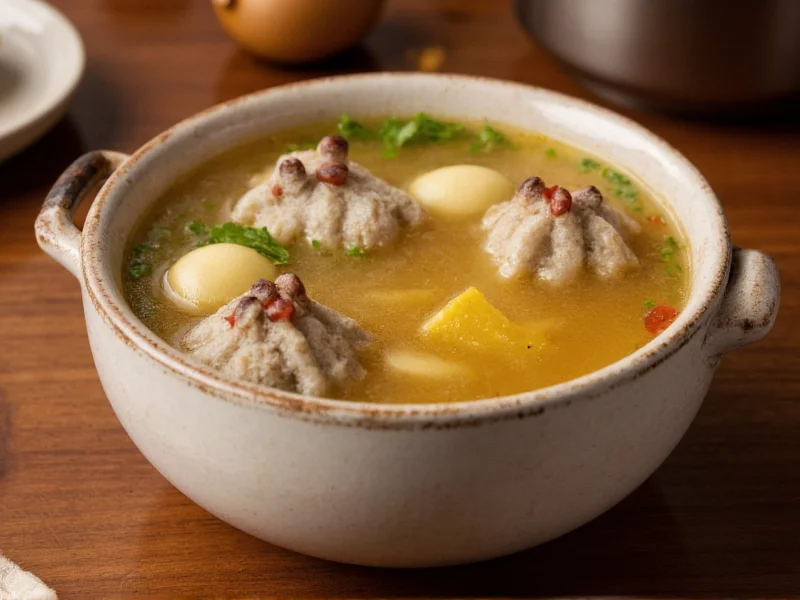
For hot pot enthusiasts seeking an authentic Mongolian dining experience at home, Little Sheep hot pot soup base offers a convenient solution that maintains traditional flavors. Unlike many spicy Sichuan-style hot pot bases, Little Sheep specializes in its signature clear broth that highlights the natural flavors of ingredients rather than overwhelming them with heat.
Understanding Little Sheep's Authentic Mongolian Heritage
Developed in Inner Mongolia where hot pot has been a culinary tradition for centuries, Little Sheep hot pot soup base reflects the region's nomadic heritage. The original formulation uses a carefully balanced blend of natural ingredients including lamb bones, goji berries, Chinese wolfberries, and traditional herbs that create a rich, aromatic broth without artificial additives.
What sets authentic Little Sheep hot pot soup base apart from other commercial options is its commitment to the traditional Mongolian approach to broth-making. Rather than relying on heavy spices or chili oils common in other regional hot pot styles, Little Sheep focuses on creating a clean, nourishing base that enhances rather than masks the quality of fresh ingredients added during cooking.
Key Ingredients and Flavor Profile
The distinctive taste of Little Sheep hot pot soup base comes from its carefully selected natural ingredients. The traditional formulation includes:
- Lamb bone extract for rich umami foundation
- Natural herbs including goji berries and Chinese wolfberries
- Rock sugar for subtle sweetness that balances savory notes
- Scallions and ginger for aromatic complexity
- Sea salt for proper seasoning
When properly prepared, the resulting broth should be clear with a golden hue, not cloudy or overly oily. The flavor profile features a delicate balance of savory, slightly sweet, and herbal notes with no artificial aftertaste. This makes it particularly suitable for those who prefer milder hot pot experiences or want to taste the natural flavors of their ingredients.
| Little Sheep Product Variation | Key Characteristics | Best For |
|---|---|---|
| Original Clear Broth | Traditional Mongolian recipe, no spice, clear appearance | Purists seeking authentic experience, families with children |
| Spicy Version | Added chili peppers and Sichuan peppercorns | Those who prefer heat with Mongolian herbal notes |
| Vegetarian Option | No animal products, mushroom-based umami | Vegans and vegetarians |
| Individual Serving Packs | Single-use portions, convenient for travel | Small households, office lunches, travel |
Proper Preparation Techniques for Little Sheep Hot Pot
Many home cooks make the mistake of using Little Sheep hot pot soup base incorrectly, resulting in subpar broth. For optimal results when preparing authentic Mongolian hot pot:
- Start with cold water - never hot water - as the base
- Maintain proper water-to-base ratio (typically 1:8 for concentrated versions)
- Bring to a gentle simmer rather than a rolling boil
- Add ingredients in proper sequence (hard vegetables first, delicate items last)
- Skim any impurities that rise to the surface during initial heating
The ideal cooking time for Little Sheep hot pot soup base is 15-20 minutes after the water comes to a simmer. This allows the flavors to properly meld without overcooking the delicate herbal components. Unlike spicy hot pot bases that often improve with longer cooking, the subtle herbal notes in Little Sheep broth can become bitter if boiled too vigorously or for too long.
Ingredient Pairing Recommendations
The beauty of Little Sheep hot pot soup base lies in how it complements rather than dominates other ingredients. Traditional pairings include:
- Meats: Thinly sliced lamb (most authentic), beef, chicken, or fish
- Vegetables: Napa cabbage, enoki mushrooms, tofu, leafy greens
- Starches: Hand-pulled noodles, sweet potato noodles, or rice cakes
- Dipping sauces: Sesame sauce, garlic soy, or simple scallion oil
When selecting ingredients for Little Sheep hot pot, prioritize freshness as the clear broth will highlight rather than mask any imperfections. The traditional Mongolian approach focuses on quality over quantity, with fewer but higher-grade ingredients that shine in the delicate broth.
Storage and Shelf Life Considerations
Proper storage is essential for maintaining the quality of Little Sheep hot pot soup base. Unopened packages typically have a shelf life of 12-18 months when stored in a cool, dry place away from direct sunlight. Once opened, transfer any unused portion to an airtight container and refrigerate for up to 7 days.
For longer storage, Little Sheep hot pot soup base can be frozen in ice cube trays then transferred to freezer bags. This allows you to portion out exactly how much you need for future hot pot sessions. Frozen broth maintains quality for up to 3 months. When thawing frozen broth, do so in the refrigerator rather than at room temperature to preserve flavor integrity.
Finding Authentic Little Sheep Products
As the popularity of Little Sheep hot pot soup base has grown, various imitations have entered the market. To ensure you're purchasing authentic products:
- Look for the official Little Sheep logo and branding
- Check for proper Chinese and English labeling
- Purchase from reputable Asian grocery stores or authorized online retailers
- Verify the ingredient list matches traditional formulations
Authentic Little Sheep products will clearly indicate their Inner Mongolia origin and should not contain artificial colors, preservatives, or MSG. The packaging should include proper manufacturing information and expiration dates. When in doubt, compare with products from established Asian grocery chains known for carrying authentic imported goods.
Adapting Little Sheep Hot Pot for Different Dietary Needs
While traditionally made with lamb bone extract, Little Sheep hot pot soup base can be adapted for various dietary preferences:
- Vegetarian version: Use the specifically formulated vegetarian option or supplement with mushroom broth
- Lower sodium: Dilute with additional water and enhance with fresh herbs
- Gluten-free: Most Little Sheep varieties are naturally gluten-free (verify specific product)
- Allergy considerations: Check specific product formulations for potential allergens
For those with specific dietary restrictions, always check the most current ingredient information as formulations may change. The clear broth nature of Little Sheep hot pot makes it particularly adaptable, as you can easily modify the base with additional ingredients to suit various dietary needs without compromising the fundamental flavor profile.
Frequently Asked Questions
Is Little Sheep hot pot soup base gluten-free?
Most Little Sheep hot pot soup base varieties are naturally gluten-free as they don't contain wheat-based ingredients. However, always check the specific product packaging for the most current information, as formulations can vary by region and product line. For those with severe gluten sensitivity, look for products with certified gluten-free labeling.
How much Little Sheep soup base should I use per serving?
The standard ratio is one 60g packet per 4-5 cups of water for individual servings. For family-style hot pot, use approximately 150-180g of soup base concentrate per 2 liters of water. Adjust to taste preference, but remember that Little Sheep broth is designed to be delicate, so using too much can overpower the subtle herbal notes.
Can I make Little Sheep hot pot broth vegetarian?
Yes, Little Sheep offers a specifically formulated vegetarian version that uses mushroom extract instead of lamb bone broth. If using the traditional version, you can supplement with additional mushrooms, dried shiitake, or kombu to enhance the umami while maintaining the characteristic flavor profile, though it won't be fully vegetarian.
Why is my Little Sheep hot pot broth cloudy?
Cloudiness typically occurs when the broth is brought to a rolling boil rather than a gentle simmer. Authentic Little Sheep broth should be clear. To prevent cloudiness, start with cold water, add the soup base gradually while stirring, and maintain a gentle simmer (not a boil) throughout cooking. Skimming any foam that forms during initial heating will also help maintain clarity.
How does Little Sheep hot pot differ from other hot pot bases?
Little Sheep specializes in authentic Mongolian-style clear broth, which differs significantly from Sichuan-style spicy hot pot bases. While many hot pot bases rely on chili oils and intense spices, Little Sheep focuses on a delicate balance of herbal notes and natural umami from lamb bones. The resulting broth is clear, not red or oily, and designed to complement rather than overpower fresh ingredients added during cooking.




 浙公网安备
33010002000092号
浙公网安备
33010002000092号 浙B2-20120091-4