
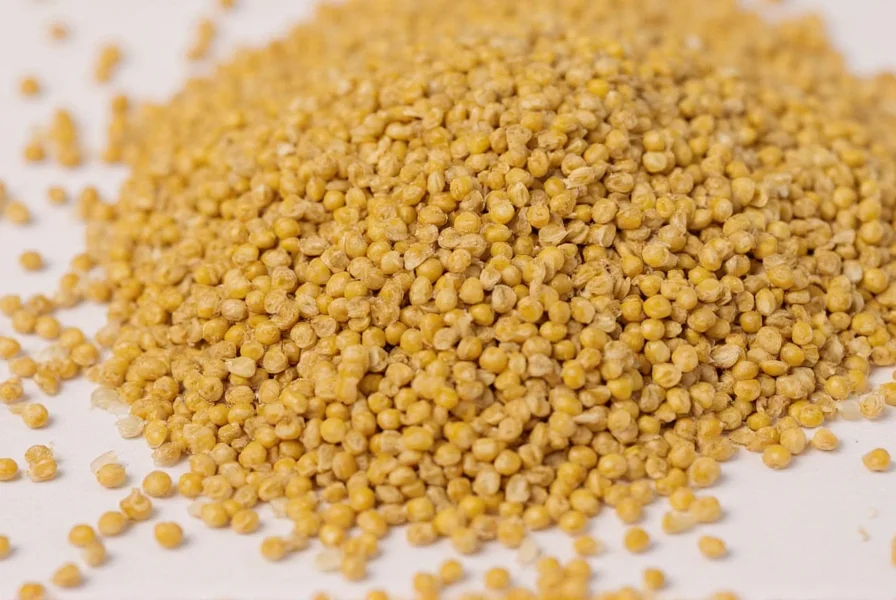
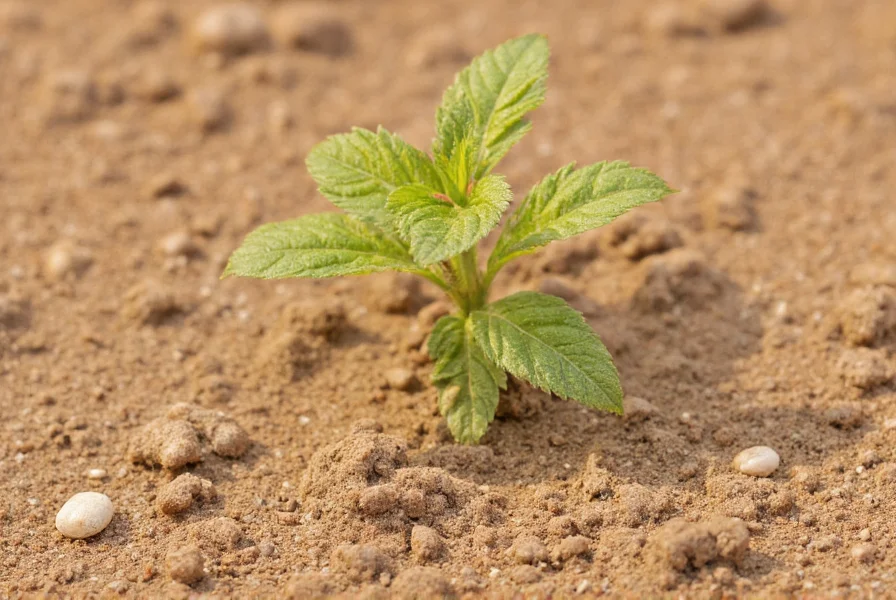
When exploring the biblical concept of the little mustard seed, it's essential to understand both its historical context and enduring significance. The mustard seed parable appears across multiple Gospel accounts, consistently highlighting a profound spiritual principle through a simple agricultural metaphor. In first-century Palestine, mustard plants were common and known for their rapid, expansive growth from an exceptionally small seed.
Biblical Context of the Mustard Seed Teaching
The mustard seed reference appears in two distinct contexts within the Gospels. In the first instance (Matthew 13:31-32, Mark 4:30-32, Luke 13:18-19), Jesus describes the Kingdom of Heaven as being like a mustard seed. In the second context (Matthew 17:20), he addresses his disciples' inability to cast out a demon, stating that faith as small as a mustard seed could move mountains.
Understanding the mustard seed parable explanation requires recognizing that while not literally the smallest seed, it was proverbially considered minute in Jewish agricultural understanding. The mustard plant (Sinapis nigra) could grow up to 10 feet tall, creating a striking contrast between its tiny origin and substantial maturity. This dramatic transformation made it an effective teaching tool for Jesus' audience.
Accurate Interpretation of the Mustard Seed Metaphor
Many misinterpret the little mustard seed teaching as emphasizing the amount of faith rather than its authenticity. The Greek text specifies "if you have faith the size of a mustard seed" (Matthew 17:20), focusing on quality rather than quantity. The parable's essence lies in faith's potential when genuinely connected to divine power, not in measuring faith's volume.
| Gospel Reference | Context | Key Message |
|---|---|---|
| Matthew 13:31-32 | Parable of Kingdom growth | God's kingdom starts small but becomes expansive |
| Mark 4:30-32 | Parable of Kingdom growth | Divine work begins humbly yet achieves greatness |
| Matthew 17:20 | Disciples' failed exorcism | Genuine faith accesses divine power regardless of size |
| Luke 17:6 | Teaching on faith | Authentic faith enables impossible tasks |
Botanical Accuracy in the Mustard Seed Parable
Contrary to popular belief that the mustard seed was literally the smallest seed, historical botany reveals other smaller seeds existed in Palestine. However, the mustard seed's proverbial status as "smallest" in Jewish agricultural understanding made it an effective teaching tool. The black mustard plant (Brassica nigra) commonly grew wild in ancient Israel, reaching heights of 8-10 feet from a seed approximately 1-2 millimeters in diameter.

This botanical reality strengthens the parable's impact. Jesus used a familiar agricultural reference to illustrate spiritual truth, demonstrating how something seemingly insignificant could produce extraordinary results through divine enablement. The mustard plant's tendency to grow uncontrollably also subtly conveyed the Kingdom of God's expansive, transformative nature.
Historical Interpretation Timeline
Analysis of scholarly interpretations reveals distinct evolutionary phases in understanding this parable:
- 4th Century CE: Augustine of Hippo interpreted the mustard seed as representing the Church's growth from small beginnings to global influence, emphasizing institutional expansion. (Source: Augustine, City of God, Book XVII, Ch. 10 - Catholic Encyclopedia)
- 19th Century CE: Critical scholars like Adolf Jülicher shifted focus to Jesus' original intent, arguing the parable illustrated the Kingdom's surprising growth rather than institutional development. (Source: Stanford Encyclopedia of Philosophy, Biblical Interpretation)
- 21st Century CE: Contemporary scholarship (e.g., N.T. Wright) integrates historical context with theological application, highlighting both the Kingdom's organic growth and individual faith's transformative power within God's redemptive plan. (Source: Gordon-Conwell Theological Seminary)
This timeline demonstrates how cultural and theological contexts continuously reshape interpretation while preserving the core principle of exponential growth from humble origins.
Modern Application of Mustard Seed Faith
Understanding what does little mustard seed mean in the bible today involves recognizing that authentic faith isn't measured by emotional intensity or duration but by its connection to divine power. The mustard seed faith meaning centers on trust's quality rather than quantity. Contemporary applications include:
- Overcoming seemingly insurmountable challenges through steadfast trust
- Recognizing that spiritual growth often begins with small, faithful actions
- Understanding that divine power works through authentic faith regardless of circumstances
- Acknowledging that spiritual impact isn't determined by human resources but divine enablement
The historical context of mustard seed parable reminds us that Jesus frequently used everyday agricultural imagery to convey eternal truths. This teaching continues to resonate because it addresses a universal human experience: the desire to see meaningful results from seemingly inadequate beginnings.
Common Misunderstandings to Avoid
Several misconceptions surround the little mustard seed teaching. Some believe it promotes "name it and claim it" theology, suggesting faith guarantees specific outcomes. However, the parable emphasizes divine power working through faith, not faith manipulating divine power. Others mistakenly think the teaching values faith's quantity over quality, leading to self-critical assessments of one's "faith size."
The interpretation of mustard seed parable must recognize that Jesus contrasted the disciples' lack of faith with the presence of authentic faith, not measured degrees of faith. The mountain-moving imagery represented impossible tasks, not literal geological changes, emphasizing that genuine faith accesses divine power for God's purposes.
Contextual Application Boundaries
Authentic application requires recognizing specific boundaries where this teaching applies and where it does not:
- Valid application: Situations involving spiritual growth, divine healing, or Kingdom advancement where outcomes exceed human capability (e.g., addiction recovery, reconciliation efforts). (Source: Gordon-Conwell Theological Seminary)
- Invalid application: Material prosperity claims or demanding specific physical outcomes, as the parable concerns spiritual realities, not financial or health guarantees. James 4:3 explicitly warns against requests "asked with wrong motives."
- Historical limitation: The parable addresses first-century agricultural realities; modern horticultural knowledge (e.g., orchid seeds being smaller) doesn't invalidate its cultural context but requires careful application today.
- Theological boundary: Must be understood within biblical covenant framework - faith operates within God's sovereign will, not as an independent spiritual force.
These boundaries prevent reduction to a "spiritual law of attraction" while preserving the teaching's transformative potential within its intended framework.
Enduring Cultural and Spiritual Impact
The application of mustard seed faith today extends beyond religious contexts into literature, psychology, and motivational speaking. The core principle—that small beginnings can yield significant results—resonates across cultures. However, the biblical teaching specifically connects this principle to trust in divine power rather than mere positive thinking or human determination.
When examining the mustard seed parable explanation in its original context, we see Jesus addressing practical faith failures (the disciples couldn't cast out a demon) with a profound spiritual principle. This teaching remains relevant for anyone facing situations where human resources seem insufficient for the challenges at hand.




 浙公网安备
33010002000092号
浙公网安备
33010002000092号 浙B2-20120091-4