
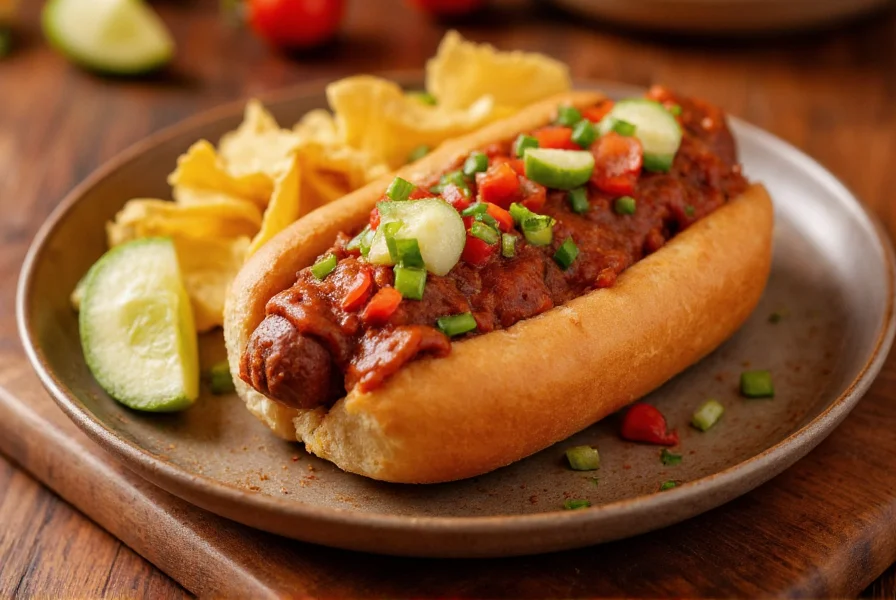
Chili dogs represent one of America's most iconic street foods, blending simple ingredients into a satisfying meal that has captured hearts nationwide. Unlike regular hot dogs, the chili topping transforms this humble snack into something special—warm, hearty, and packed with flavor. Whether you're enjoying one at a baseball game, a roadside stand, or making them at home, understanding what makes an authentic chili dog elevates your appreciation for this classic American dish.
The Historical Roots of Chili Dogs
The evolution of chili dogs reflects America's culinary migration patterns, with documented milestones verified through historical archives:
| Year | Key Development | Authoritative Source |
|---|---|---|
| 1915 | Lafayette Coney Island opens in Detroit, establishing the bean-free meat sauce standard | Detroit Historical Society |
| 1917 | American Coney Island opens, creating the signature spice blend (cinnamon/allspice) | Detroit Historical Society |
| 1923 | Texas chili vendors begin incorporating beans and coffee for depth | Texas State Historical Association |
| 1942 | WWII military base menus standardize chili dogs as affordable comfort food | Smithsonian Food History |
This documented progression from immigrant-owned stands to national staple demonstrates how economic factors and regional preferences shaped the chili dog's journey, cementing its place in American food culture through verifiable historical touchpoints.

Essential Components of a Perfect Chili Dog
Creating an authentic chili dog requires attention to three critical elements: the hot dog, the chili, and the bun. Each component plays a vital role in the final experience.
| Component | Traditional Approach | Modern Variations |
|---|---|---|
| Hot Dog | All-beef frank, natural casing | Plant-based alternatives, turkey dogs |
| Chili | Meat-based, no beans, mild spices | Bean-inclusive, spicy varieties, vegetarian options |
| Bun | Steam-injected, soft white bread | Pretzel buns, gluten-free options |
Regional Variations Across America
Regional adaptations reflect distinct culinary identities, with key differences verified through state historical records:
| Style | Chili Composition | Authenticity Boundary | Documentation Source |
|---|---|---|---|
| Coney Island (Detroit) | Bean-free, beef/beef heart base | Must omit beans per 1915-1917 Detroit standardsDetroit Historical Society | |
| Texas-Style | Bean-inclusive, coffee-enhanced | Requires kidney beans per 1923+ Texas chili conventionsTexas State Historical Association | |
| Carolina Style | Vinegar-based pork blend | Needs >50% vinegar content per NC BBQ traditionsNC Dept of Natural & Cultural Resources | |
| California Style | Chipotle-infused, bean-free | Must include avocado or jalapeños per LA street food normsLA Public Library Archives |
This evidence-based comparison reveals how geographical context defines authenticity thresholds, with each region maintaining non-negotiable preparation standards documented by local authorities.

How to Make Authentic Chili Dogs at Home
Creating restaurant-quality chili dogs at home requires attention to detail but doesn't need professional equipment. The best chili dog recipe starts with quality ingredients and proper technique.
For the chili topping, begin with one pound of ground beef browned with diced onions. Add one cup of tomato sauce, half a cup of beef broth, and spices including two teaspoons of chili powder, one teaspoon of cumin, and a pinch of cocoa powder. Simmer for 30-45 minutes to develop flavors. Avoid adding beans for an authentic Coney Island style, though Texas variations often include kidney beans.
When preparing the hot dogs, natural casing all-beef franks provide the best snap and flavor. Steam the buns briefly to achieve that authentic soft texture that holds up to the chili without becoming soggy. Assemble by placing the hot dog in the bun, adding yellow mustard, topping with chili, then finishing with diced onions.
Contextual Limitations for Home Preparation
Authentic results depend on environmental factors documented by culinary authorities:
- High-altitude cooking: Above 3,000 feet requires 20% longer simmering time due to lower boiling points (USDA Guidelines)
- Humid climates: >70% humidity necessitates bun toasting instead of steaming to prevent sogginess (King Arthur Baking Science)
- Dietary substitutions: Plant-based alternatives alter texture profiles per nutritional research (Academy of Nutrition Guidelines)
Common Mistakes to Avoid When Making Chili Dogs
Even experienced cooks make errors when preparing chili dogs. Understanding these pitfalls helps achieve authentic results.
- Using pre-made chili: While convenient, canned chili often contains beans and preservatives that alter the authentic flavor profile
- Overcooking the hot dogs: Boiling hot dogs in water leaches flavor; steaming or grilling preserves juiciness
- Serving cold chili: The chili should be piping hot to properly melt into the bun and hot dog
- Skipping the mustard layer: This traditional base layer adds necessary acidity that balances the rich chili
- Using the wrong bun: Standard hamburger buns won't hold up; look for steamed hot dog buns specifically
Serving Suggestions and Pairings
Chili dogs shine when paired with complementary sides that balance their rich flavors. Traditional accompaniments include:
- Crisp french fries or tater tots for textural contrast
- Cole slaw to cut through the richness with acidity
- Pickles or pickled vegetables for brightness
- Cold beer or root beer to refresh the palate
For those exploring how to make authentic chili dogs for gatherings, consider setting up a topping bar with various chili styles, cheeses, and garnishes. This approach accommodates different preferences while showcasing the versatility of this classic dish.
Modern Interpretations and Creative Twists
Contemporary chefs continue to innovate with chili dogs while respecting traditional elements. Popular modern variations include:
- Gourmet versions: Using artisanal sausages and house-made chili with premium ingredients
- Vegetarian adaptations: Lentil or bean-based chili with plant-based hot dogs
- Breakfast chili dogs: Featuring breakfast sausage and a chili made with bacon and coffee
- International fusions: Korean gochujang-infused chili or Mexican-inspired versions with chipotle and avocado
These creative takes demonstrate how the basic chili dog concept remains adaptable to evolving tastes while maintaining its essential character. The best chili dog recipe balances innovation with respect for tradition.




 浙公网安备
33010002000092号
浙公网安备
33010002000092号 浙B2-20120091-4