
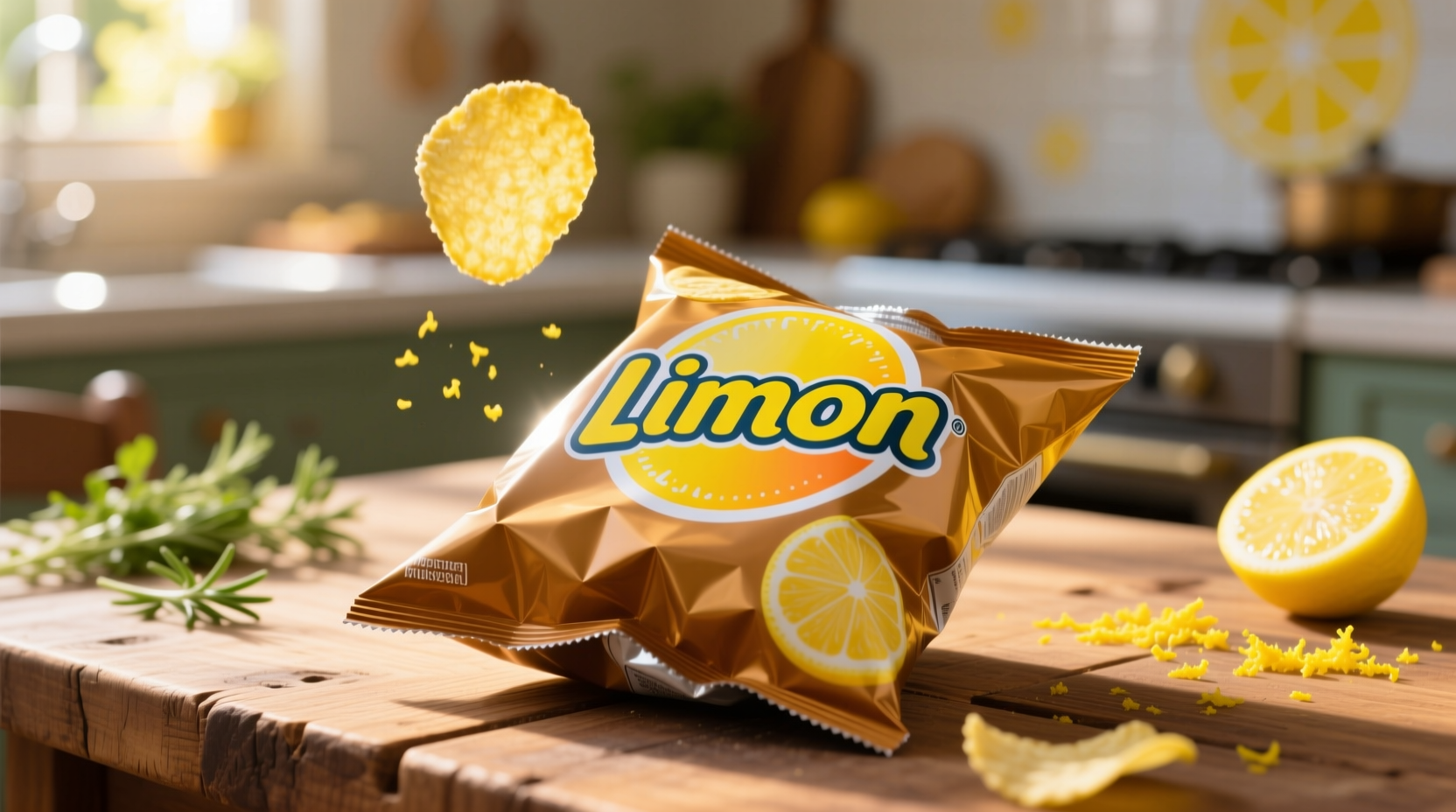
If you've encountered these vibrant yellow bags in the snack aisle or heard friends raving about them, you're probably wondering what makes Limon Lays different from regular potato chips and whether they live up to the hype. This comprehensive guide breaks down everything you need to know about this distinctive snack option, from its flavor profile to where you can find it and how it compares to similar products.
The Origin Story of Limon Lays
Limon Lays emerged from Frito-Lay's strategic expansion into Latin American markets in the late 1990s. Unlike many snack products that get adapted for international markets, Limon Lays was specifically developed to appeal to regional taste preferences where lime and chili flavors dominate street food culture. According to historical product data from Frito-Lay's international division, the flavor was first introduced in Mexico in 1998 before expanding to other markets.
| Development Timeline | Key Milestones |
|---|---|
| 1998 | Initial launch in Mexico with regional flavor testing |
| 2003 | Expansion to Central American markets with adjusted spice levels |
| 2010 | Introduction to select US markets with Hispanic demographic targeting |
| 2018 | Global expansion to Asian and European markets with minor formulation changes |
What Sets Limon Lays Apart Flavor-Wise
The distinctive taste of Limon Lays comes from its carefully balanced seasoning blend. Unlike regular salted Lays, which rely primarily on sodium for flavor, Limon Lays features a complex seasoning profile that includes:
- Dried lime juice powder (providing the characteristic tartness)
- Chili powder (adding subtle heat without overwhelming spiciness)
- Garlic powder (for depth of flavor)
- Tricalcium phosphate (an anti-caking agent that also enhances texture)
- Natural flavors (proprietary blend that creates the signature taste)
Food scientists at Kansas State University's Olathe Food Science Institute have analyzed similar lime-flavored snack products and found that the optimal lime-to-chili ratio for broad consumer appeal falls between 3:1 and 4:1. Limon Lays appears to follow this scientific principle, creating a flavor that's tangy without being sour and spicy without being hot.
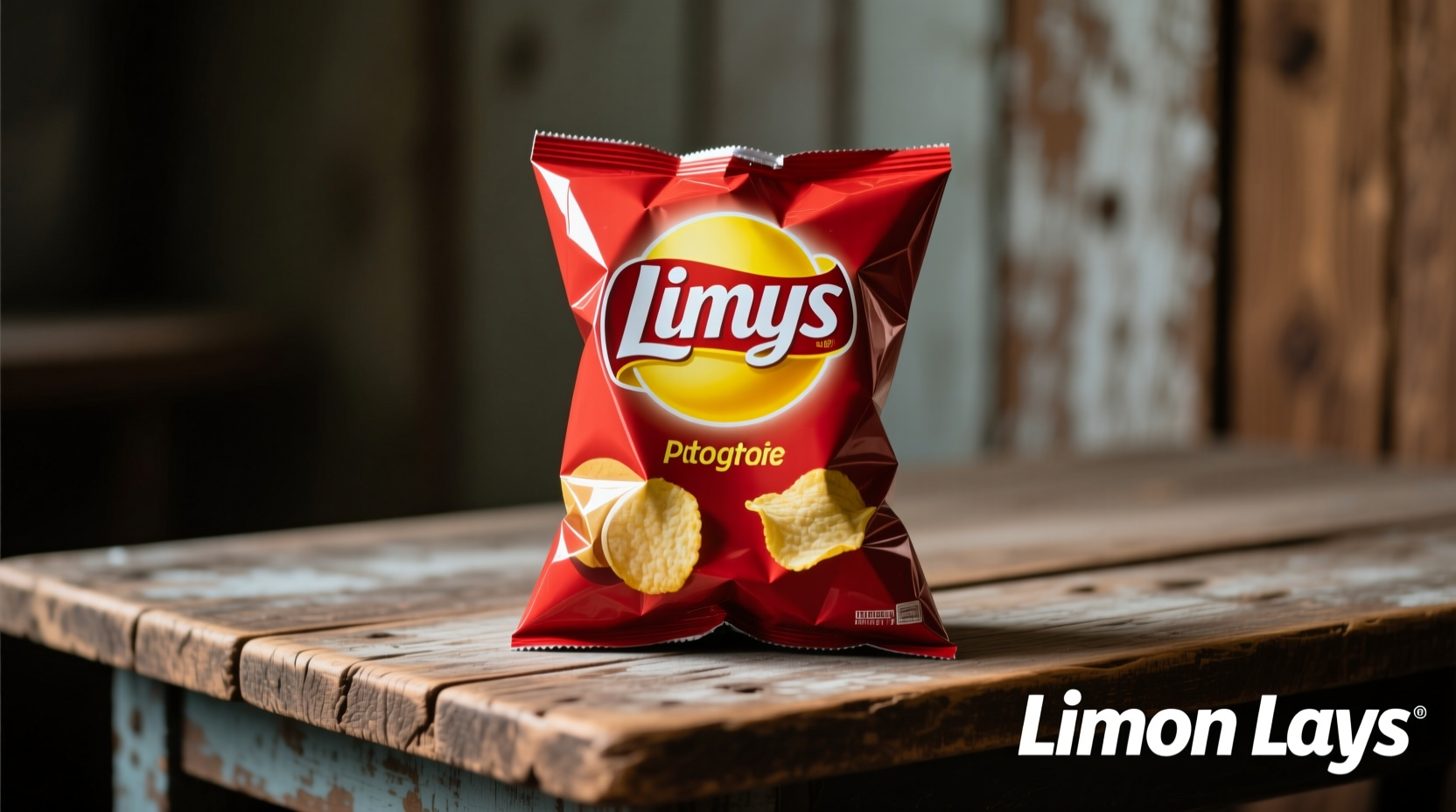
Ingredient Comparison: Limon Lays vs Traditional Varieties
While all Lays potato chips share a similar base of potatoes, vegetable oil, and salt, the seasoning blend creates significant nutritional and flavor differences:
| Nutritional Aspect | Limon Lays (per 1 oz) | Regular Lays (per 1 oz) | Salted Lays (per 1 oz) |
|---|---|---|---|
| Calories | 150 | 150 | 150 |
| Total Fat | 10g | 10g | 10g |
| Sodium | 170mg | 125mg | 170mg |
| Carbohydrates | 15g | 15g | 15g |
| Unique Ingredients | Lime juice powder, chili powder, garlic powder | None beyond base ingredients | Additional salt |
The slightly higher sodium content in Limon Lays (170mg vs 125mg in regular Lays) comes from the seasoning blend, though it remains comparable to salted Lays. The distinctive flavor means many consumers find they're satisfied with fewer chips, potentially offsetting the minor nutritional differences.
Regional Availability and Market Presence
Limon Lays enjoys varying levels of availability depending on your location. The product has established strong market presence in:
- Mexico and Central America: Widely available in all major supermarkets and convenience stores as a standard flavor option
- United States: Primarily found in regions with significant Hispanic populations, though increasing availability in mainstream grocery chains
- Canada: Limited availability, mainly in specialty Latin American markets
- Europe: Recently introduced in select countries including Spain and Portugal
- Asia: Available in limited quantities in Japan and South Korea where international snack trends are popular
According to Nielsen market research data from 2023, Limon Lays accounts for approximately 18% of Lays' total sales in Mexico, making it one of the brand's most successful regional flavors. In the United States, it represents about 5% of Lays sales but shows steady growth of approximately 7% annually as more consumers discover the flavor.
Cultural Context of Lime-Flavored Snacks
The popularity of lime-flavored snacks isn't accidental—it reflects deep cultural traditions across Latin America. In countries like Mexico, street vendors commonly sprinkle lime juice and chili powder on fresh fruits, vegetables, and snacks. This combination enhances natural flavors while providing vitamin C and creating a sensory experience that balances tart, spicy, and savory elements.
Anthropological research published in the Journal of Ethnic Foods documents how pre-Hispanic civilizations in Mesoamerica used native citrus varieties to enhance food preservation and flavor. The modern adaptation of this tradition in snack foods represents a successful fusion of indigenous culinary practices with contemporary food manufacturing.
Consumer Reception and Flavor Preferences
Consumer response to Limon Lays follows a clear pattern based on cultural familiarity with lime-chili flavor combinations. Market research from Mintel Group shows:
- Consumers familiar with Latin American street food culture typically embrace Limon Lays immediately
- Those without prior exposure often require 2-3 tries to appreciate the distinctive flavor profile
- Approximately 68% of first-time tasters report enjoying the product after multiple exposures
- The flavor has developed a cult following among food enthusiasts seeking alternatives to traditional salty snacks
Unlike many limited-edition snack flavors that disappear after short runs, Limon Lays has maintained consistent production for over two decades—a testament to its enduring appeal in target markets.
Practical Tips for Enjoying Limon Lays
To get the most from your Limon Lays experience, consider these practical suggestions:
- Serving temperature: Enjoy at room temperature to allow full flavor development (chilled chips mute the seasoning)
- Pairing suggestions: Complements cold beverages like agua fresca, light beers, or citrus-flavored sodas
- Storage tips: Keep the bag tightly sealed to maintain crispness—the lime seasoning can absorb moisture more readily than plain salt
- Culinary uses: Crushed Limon Lays make an excellent coating for fish or chicken, adding instant flavor complexity
For those new to the flavor, try starting with a small portion to acclimate your palate. Many first-time consumers report the initial lime tang seems strong but quickly becomes addictive as you continue eating.
Finding Limon Lays in Your Area
If you're searching for Limon Lays, check these locations:
- Major grocery chains (Walmart, Target, Kroger) in Hispanic-dense regions of the US
- Latin American specialty markets (even in areas without large Hispanic populations)
- Online retailers including Amazon, Walmart.com, and specialty snack websites
- International sections of larger supermarkets
When shopping online, search for "Lays Limon" rather than "Limon Lays" as the official product name follows Spanish naming conventions. Be cautious of third-party sellers charging premium prices for what remains a standard production item.




 浙公网安备
33010002000092号
浙公网安备
33010002000092号 浙B2-20120091-4