
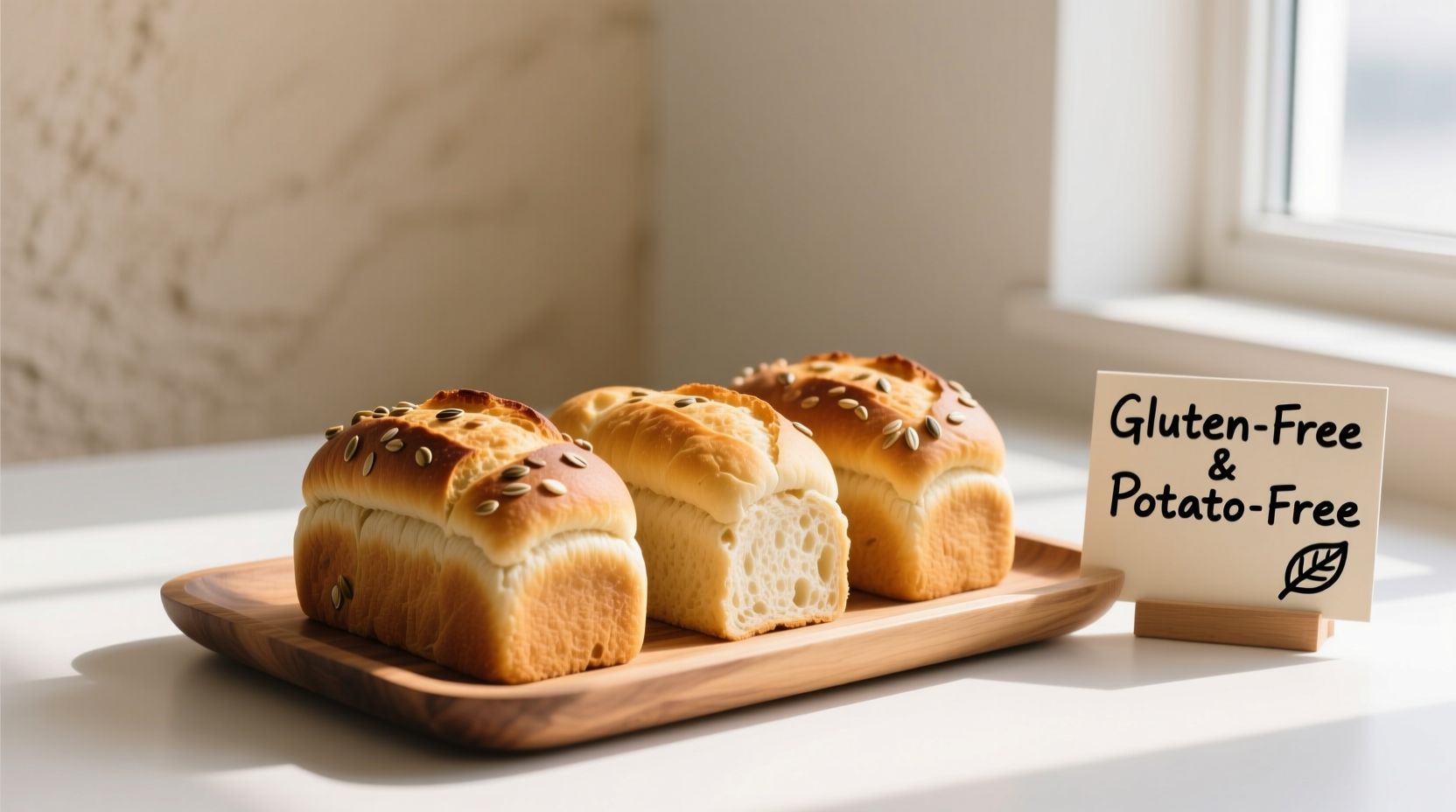
If you need to follow both gluten-free and potato-free dietary restrictions, focus on naturally safe whole foods like meats, fish, eggs, dairy, most vegetables (excluding nightshades), fruits, legumes, nuts, seeds, and specific grains like rice and quinoa. This dual restriction is often necessary for people with celiac disease combined with potato intolerance, autoimmune conditions, or specific digestive disorders.
Why Combine Gluten-Free and Potato-Free Diets?
While gluten-free diets are common for those with celiac disease or gluten sensitivity, adding potato restrictions creates a more specialized eating plan. Potatoes belong to the nightshade family, which some people with autoimmune conditions like rheumatoid arthritis or inflammatory bowel disease find problematic. According to the Arthritis Foundation, certain individuals experience reduced inflammation when eliminating nightshade vegetables including potatoes, tomatoes, and peppers.
| Safe Food Categories | Unsafe Food Categories | Caution Required |
|---|---|---|
| Fresh meats, poultry, fish | Wheat, barley, rye products | Processed meats (check for fillers) |
| Eggs, plain dairy | Most conventional breads/pastas | Flavored dairy products |
| Rice, quinoa, buckwheat | Potatoes, sweet potatoes | "Gluten-free" potato-based products |
| Most vegetables (non-nightshade) | Tomatoes, eggplants, peppers | Canned vegetables with added starches |
| Fruits, nuts, seeds | Processed snacks with hidden gluten | Pre-made sauces and dressings |
Navigating Your Grocery Shopping
Reading labels becomes essential when following both restrictions. The U.S. Food and Drug Administration requires that products labeled "gluten-free" contain less than 20 parts per million of gluten, but this doesn't address potato ingredients. Always check for:
- Hidden gluten sources: malt flavoring, modified food starch (unless specified as corn or tapioca)
- Potato derivatives: potato starch, potato flour, dextrose (often from potatoes)
- Cross-contamination warnings: "processed in a facility with wheat"
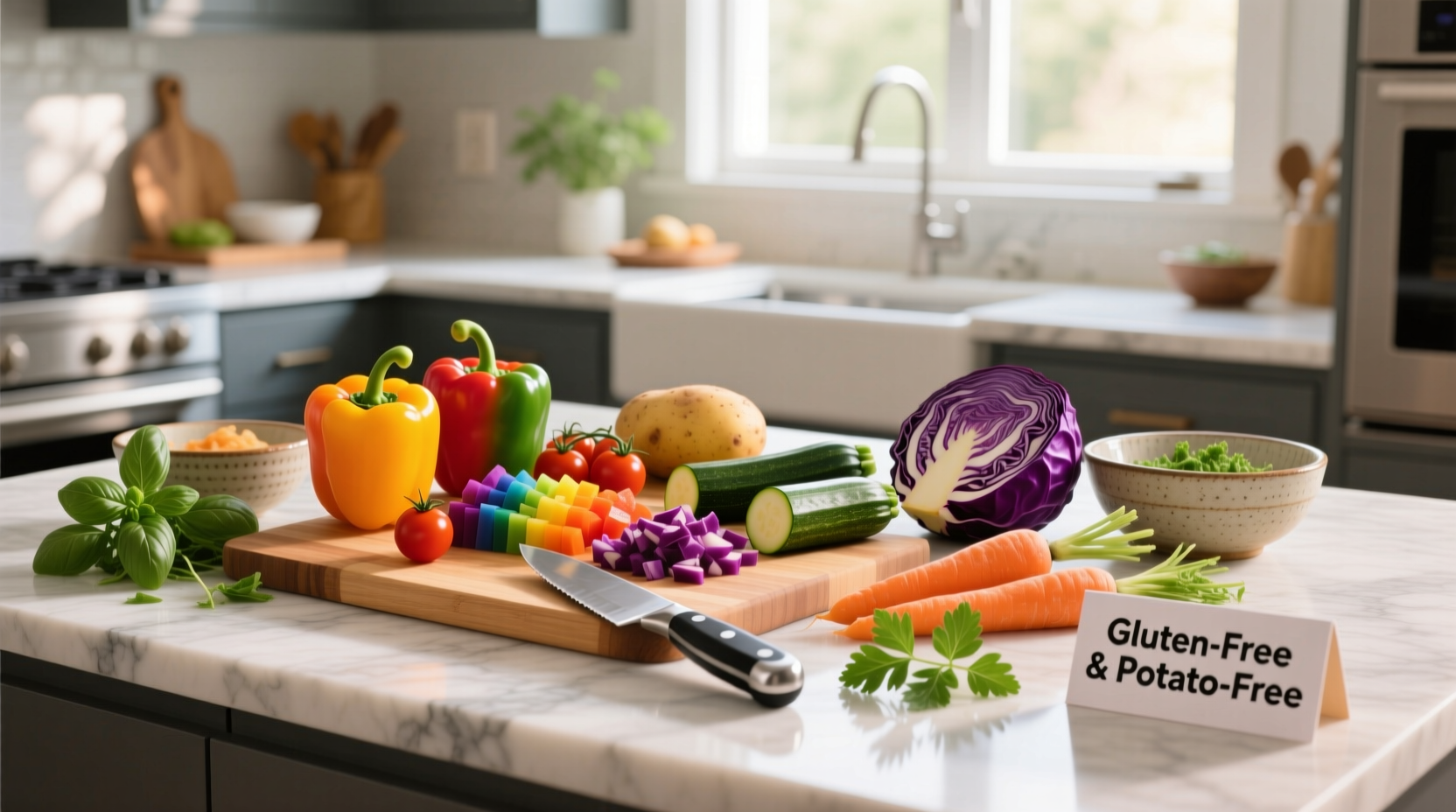
Smart Ingredient Substitutions
Replacing both gluten and potatoes requires creative alternatives. For baking, combine gluten-free flours like rice flour, tapioca starch, and almond flour. When you need potato substitutes:
- For mashing: Try cauliflower, parsnips, or rutabaga
- For frying: Use taro root or jicama slices
- For thickening: Arrowroot powder or cornstarch work well
- For baking: Cassava flour makes excellent tortillas
The Academy of Nutrition and Dietetics emphasizes that maintaining nutritional balance is crucial when eliminating multiple food groups. Ensure you're getting enough vitamin C, potassium, and fiber that potatoes typically provide through alternative sources like citrus fruits, bananas, and leafy greens.
Practical Meal Framework
Structure your meals around these simple templates that naturally fit both restrictions:
Breakfast Options
- Scrambled eggs with spinach and avocado
- Rice cereal with almond milk and berries
- Coconut flour pancakes with maple syrup
Lunch Solutions
- Large salad with grilled chicken, olive oil dressing
- Rice noodles with vegetables and protein
- Bean soup with gluten-free crackers
Dinner Ideas
- Stir-fry with quinoa instead of rice
- Baked fish with roasted carrots and zucchini
- Stuffed bell peppers with ground turkey and rice
Common Challenges and Solutions
Following both restrictions presents unique challenges that require specific strategies:
Dining Out Difficulties
Many restaurants offer gluten-free options but may use potato starch as a thickener. Always specify both restrictions clearly and ask about preparation methods. The Celiac Disease Foundation recommends calling ahead to discuss your dual restrictions with the chef.
Nutritional Gaps
Eliminating both gluten-containing grains and potatoes can lead to deficiencies in B vitamins and potassium. Incorporate these nutrient-dense alternatives:
- B vitamins: Quinoa, nutritional yeast, legumes
- Potassium: Bananas, oranges, coconut water, leafy greens
- Fiber: Chia seeds, flaxseeds, berries
Maintaining Social Connections
Managing both dietary restrictions can feel isolating. Plan ahead for social events by bringing your own dish or eating beforehand. Many people following specialized diets find support through online communities where they share gluten free potato free recipes and restaurant recommendations. Remember that clear communication about your needs helps others accommodate you without making you feel like a burden.




 浙公网安备
33010002000092号
浙公网安备
33010002000092号 浙B2-20120091-4