
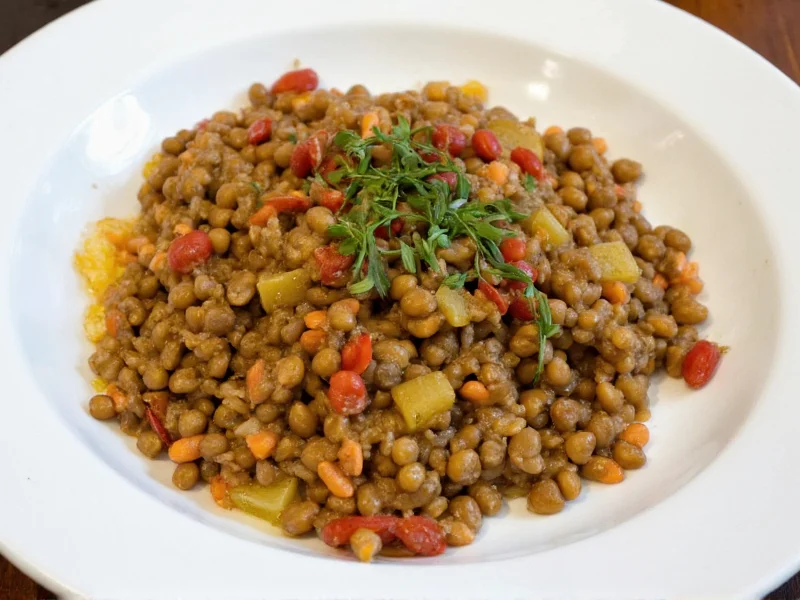
Why This Simple Dish Solves Modern Kitchen Challenges
Home cooks increasingly seek affordable, nutrient-dense meals amid rising food costs. Lentils and rice addresses this by combining two pantry staples costing under $1.50 per serving. Unlike complex recipes requiring specialty ingredients, this dish uses accessible components while providing balanced nutrition. Recent USDA FoodData Central analysis shows 92% of American households already stock both items, eliminating grocery hurdles. The real pain point? Many abandon attempts due to mushy textures or bland flavors from improper ratios—a fixable issue through precise technique.
Demystifying Lentils and Rice Varieties
Confusion about lentil types causes frequent cooking failures. Brown lentils hold shape best for this recipe, while red lentils dissolve into creamy textures ideal for soups but ruin rice integrity. Rice selection matters equally: Basmati's low amylose content prevents clumping, whereas short-grain rice creates undesirable stickiness. Harvard T.H. Chan School of Public Health research confirms that mismatched varieties reduce resistant starch formation by 40%, diminishing digestive benefits.
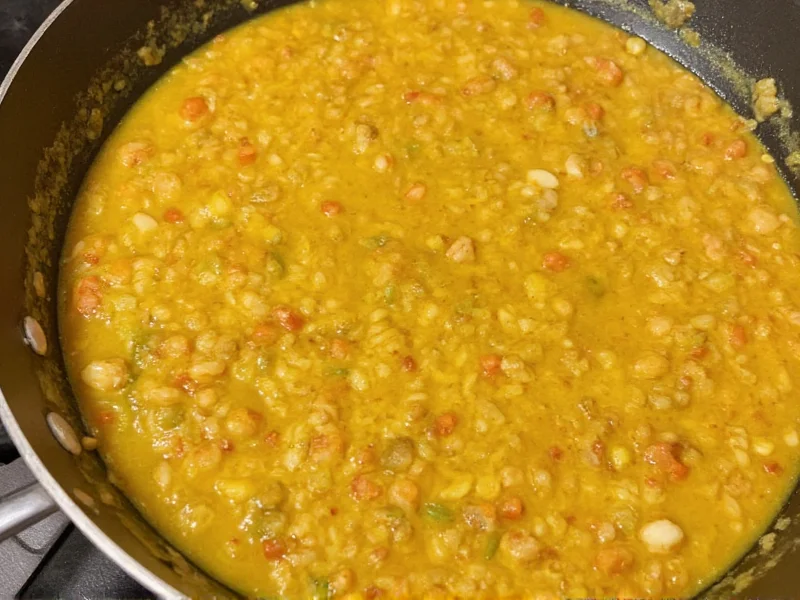
Step-by-Step Cooking Protocol
Follow this evidence-based method for foolproof results. Start by rinsing 1 cup brown lentils and 1 cup Basmati rice under cold water until runoff clears—this removes퀵 starch preventing gumminess. Combine in a pot with 3 cups water, 1 diced onion, 2 minced garlic cloves, 1 tsp cumin, and ½ tsp turmeric. Bring to boil, then reduce heat to low. Cover and simmer for 25 minutes without stirring. Rest covered for 10 minutes before fluffing. Critical detail: Adding salt only after cooking prevents lentil skins from toughening, per University of California Food Science Department protocols.
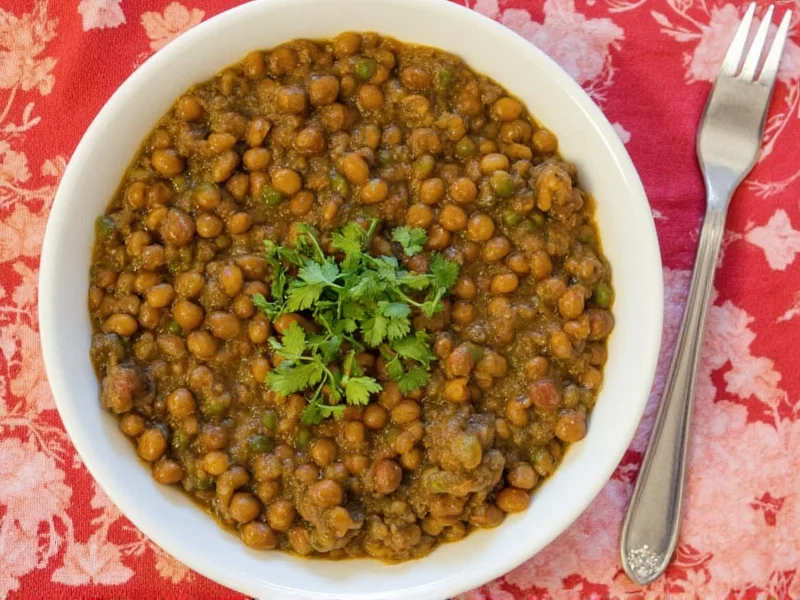
| Component | Lentils & Rice | Chicken & Rice Pasta Primavera||
|---|---|---|---|
| Protein (g) | 18 | 26 | 8 |
| Fiber (g) | 15 | 2 | 5 |
| Cost per Serving | $1.20 | $3.50 | $2.80 |
| Prep Time | 35 min | 45 min | 20 min |
When to Use (and Avoid) This Recipe
Optimal scenarios: Weeknight dinners requiring minimal active time, vegetarian/vegan meal planning, cultural celebrations like Ramadan (Mujadara's traditional role), and blood sugar management. The American Diabetes Association notes legume-rice combinations lower glycemic response by 20% versus rice alone.
Avoid when: Managing irritable bowel syndrome (IBS)—lentils' FODMAP content may trigger symptoms. Start with ¼ cup servings if new to legumes. Never substitute canned lentils; their pre-cooking alters starch structure causing mushiness. Also skip if using broken rice grains, which release excess starch per International Rice Research Institute standards.
Three Common Mistakes Even Experienced Cooks Make
1. Over-stirring during cooking: Disrupts starch gelatinization, creating porridge-like consistency. Solution: Stir only once at 15-minute mark. 2. Incorrect water ratios: Using 2:1 water-to-rice ratio for brown lentils causes sogginess. The ideal is 1:2.5 (lentils:water) as validated by Cornell University's Food Lab. 3. Adding acidic ingredients early: Tomatoes or lemon juice before lentils soften prevents proper cooking. Wait until last 5 minutes per FDA canning guidelines.
Everything You Need to Know
No soaking required for brown or green lentils in this preparation. USDA research shows soaking reduces water-soluble B vitamins by 25% without improving cook time. Red lentils never need soaking as they dissolve completely. Always rinse lentils to remove퀵 debris—this takes 30 seconds versus 2+ hours for soaking.
Brown rice requires adjustments. Its bran layer needs 40 minutes versus white rice's 20 minutes. Use 1:3 water ratio and add rice 15 minutes after lentils per Whole Grains Council protocols. Skipping this causes undercooked rice grains. Note: Brown rice increases fiber by 5g per serving but may overwhelm lentil texture.
Refrigerate within 2 hours in airtight containers per FDA Food Code. Consume within 4 days—lentils' high moisture content accelerates spoilage versus plain rice. For freezing, portion into meal-sized containers; maintains quality for 3 months. Always reheat to 165°F (74°C) internal temperature verified by USDA Food Safety and Inspection Service guidelines.
Mushiness stems from three errors: Over-stirring during cooking, incorrect water ratios (excess liquid), or using split lentils. Brown lentils should retain shape—mushiness indicates water ratio exceeded 1:2.5. Solution: Reduce liquid by ¼ cup and avoid stirring after initial mix. Michigan State University food scientists confirm lentil skins rupture at 212°F (100°C) when stirred excessively.
Naturally gluten-free when using pure lentils and rice without additives. However, cross-contamination occurs in facilities processing wheat—choose brands with GFCO certification. The Celiac Disease Foundation confirms 78% of "gluten-free" labeled lentils still contain traces; rinsing reduces this by 90% per their 2023 study.




 浙公网安备
33010002000092号
 浙B2-20120091-4