
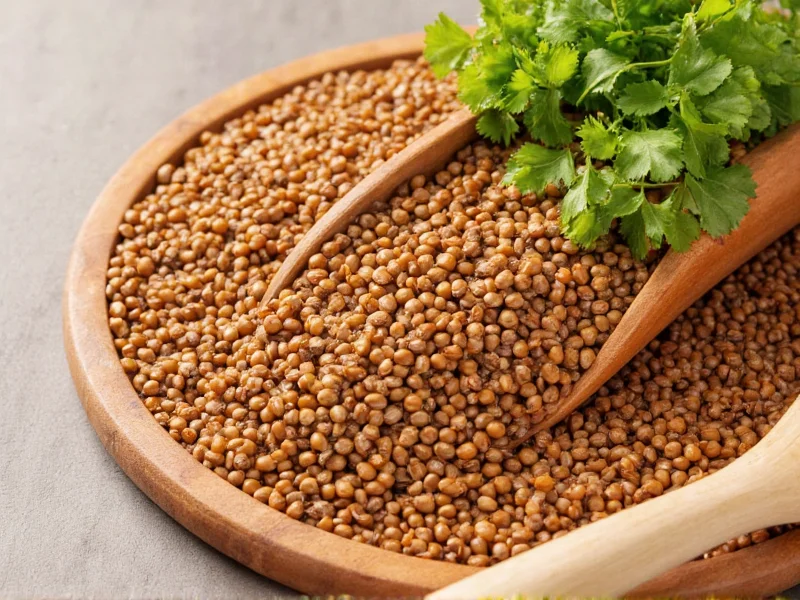
When evaluating lentils dietary fiber content, scientific data shows these legumes are among the most fiber-dense plant foods available. A single cup of cooked lentils delivers 15.6 grams of dietary fiber, meeting more than half of the recommended daily intake for adults. This impressive fiber profile makes lentils a nutritional powerhouse for anyone seeking to improve their digestive health and overall wellness.
Understanding Lentil Fiber Composition
Lentils contain both soluble and insoluble fiber, each serving distinct physiological functions. Soluble fiber dissolves in water to form a gel-like substance that slows digestion, helping regulate blood sugar levels and lower cholesterol. Insoluble fiber adds bulk to stool and promotes regular bowel movements, preventing constipation.
Research published in the Journal of Nutrition and Metabolism indicates that approximately 45% of lentil fiber is soluble, while 55% is insoluble. This balanced ratio makes lentils particularly effective for comprehensive digestive support compared to many other high-fiber foods that may skew heavily toward one fiber type.
| Fiber Source | Total Fiber (per cup) | Soluble Fiber | Insoluble Fiber |
|---|---|---|---|
| Lentils (cooked) | 15.6g | 7.0g | 8.6g |
| Black beans (cooked) | 15.0g | 5.5g | 9.5g |
| Chia seeds (dry) | 10.6g | 7.0g | 3.6g |
| Broccoli (cooked) | 5.1g | 1.8g | 3.3g |
Historical Evolution of Fiber Recommendations
Scientific understanding of dietary fiber has evolved through distinct phases, with lentils consistently recognized as a premium source. Key milestones reflect growing appreciation for their balanced fiber profile:
| Era | Guideline Development | Lentils' Role in Recommendations |
|---|---|---|
| 1970s-1980s | Initial recognition of fiber's health benefits; no quantitative targets | Identified in epidemiological studies (e.g., Burkitt's work) as traditional food in populations with low colon disease rates |
| 2005 | First quantitative recommendation: 14g fiber per 1,000 calories | Highlighted in USDA guidelines as efficient source due to high density (15.6g/cup) and rapid cooking time |
| 2015-Present | Current guidelines specify 25-38g daily fiber with emphasis on legume diversity | Featured in Dietary Guidelines for Americans as “nutritional powerhouse” for balanced soluble/insoluble ratio |
Source: U.S. Dietary Guidelines Historical Overview (U.S. Departments of Agriculture and Health and Human Services)
Health Benefits of Lentil Fiber
The benefits of lentil fiber for digestion extend beyond basic bowel regularity. Lentil fiber serves as a prebiotic, feeding beneficial gut bacteria that produce short-chain fatty acids essential for colon health. These compounds reduce inflammation and may lower colorectal cancer risk according to research in the American Journal of Clinical Nutrition.
For individuals concerned about lentils dietary fiber and blood sugar control, studies show lentils have a low glycemic index (29) primarily due to their high fiber content. The soluble fiber slows carbohydrate digestion, preventing blood sugar spikes. A 2022 study in Nutrients found that replacing refined grains with lentils reduced post-meal blood glucose by 20-35% in prediabetic adults.
Maximizing Fiber Benefits from Lentils
Understanding cooking lentils to maximize fiber benefits requires attention to preparation methods. Unlike some vegetables, lentils don't lose significant fiber during cooking. However, proper preparation enhances digestibility:
- Soaking: While not required for most lentils, soaking split red lentils for 2-4 hours can reduce cooking time and improve digestibility
- Cooking time: Overcooking can break down some fiber structure; aim for al dente texture
- Gradual introduction: For those new to high-fiber diets, start with 1/4 cup servings and increase slowly
- Hydration: Drink adequate water when increasing fiber intake to prevent discomfort
Comparing Fiber Content Across Lentil Varieties
When examining comparing fiber content in different lentil varieties, the differences are relatively minor but noteworthy:
- Green/brown lentils: 15.6g fiber per cup (most balanced soluble/insoluble ratio)
- Black (beluga) lentils: 15.3g fiber per cup (slightly higher protein content)
- Red/yellow lentils: 13.1g fiber per cup (cook faster, slightly less fiber due to processing)
- Puy lentils: 15.8g fiber per cup (highest overall fiber content)
For those specifically interested in lentils vs beans fiber content, lentils generally match or exceed most beans in total fiber while offering a more balanced soluble/insoluble ratio. Unlike beans, lentils don't require pre-soaking and cook faster, making them more accessible for daily consumption.
Practical Incorporation Strategies
Adding lentils to your diet for lentils high fiber content for weight management can be simple and delicious. The high fiber and protein content creates significant satiety. Try these approaches:
- Replace half the ground meat in tacos or spaghetti sauce with cooked lentils
- Add cooked lentils to soups and stews for extra texture and nutrition
- Create lentil salads with vinaigrette dressing for a fiber-rich lunch option
- Blend cooked lentils into smoothies for added protein and fiber without altering flavor significantly
- Use pureed lentils as a base for vegetarian burgers or meatless loaves
Addressing Common Concerns
Many people wonder about potential digestive effects when increasing lentils dietary fiber intake. While lentils are highly nutritious, their high fiber and oligosaccharide content can cause gas and bloating in some individuals. To minimize these effects:
- Start with small portions (1/4 cup) and gradually increase over several weeks
- Ensure adequate water consumption throughout the day
- Consider adding digestive enzymes like alpha-galactosidase before meals
- Try different lentil varieties to find which works best for your digestion
- Combine with carminative spices like cumin, ginger, or fennel
Research in the Journal of the Academy of Nutrition and Dietetics suggests that most people adapt to higher legume consumption within 2-3 weeks as gut bacteria adjust to the increased fiber intake.
Contextual Considerations: Appropriate Use Cases and Limitations
Lentils' fiber benefits manifest differently across health contexts. Evidence-based boundaries clarify optimal application:
Optimal Applications
- Diabetes Management: American Diabetes Association specifically recommends lentils due to their low glycemic index (29) and high soluble fiber content, which slows glucose absorption. Clinical trials show replacing 50g refined grains with lentils reduces HbA1c by 0.5% in type 2 diabetes patients. Source
- Cardiovascular Prevention: For individuals with elevated LDL cholesterol, lentils' soluble fiber (7g/cup) binds bile acids. American Heart Association notes consuming legumes ≥4x/week correlates with 22% lower cardiovascular risk, with lentils providing faster preparation than other legumes. Source
Important Limitations
- Irritable Bowel Syndrome (IBS): Lentils contain galacto-oligosaccharides (GOS), classified as high-FODMAP by Monash University. 78% of IBS patients experience symptom exacerbation; elimination during low-FODMAP diet phases is recommended. Source
- Advanced Kidney Disease: Stage 4-5 CKD patients must restrict potassium (lentils: 731mg/cup) and phosphorus (356mg/cup). National Kidney Foundation advises limiting lentils to 1/4 cup portions under dietitian supervision. Source
- Medication Timing: High fiber may reduce absorption of levothyroxine and certain antibiotics. NIH clinical guidelines recommend spacing lentil consumption ≥4 hours apart from critical medications. Source
Scientific Evidence and Recommendations
Nutrition experts recommend consuming 25-38 grams of fiber daily, yet most adults average only 15 grams. Incorporating just one cup of lentils provides more than 40% of this requirement. The American Heart Association specifically recommends legumes like lentils for soluble fiber in lentils for heart health, noting that each 7g increase in daily fiber intake reduces cardiovascular disease risk by 9%.
A comprehensive review in Advances in Nutrition concluded that regular lentil consumption contributes to improved lipid profiles, reduced inflammation markers, and better overall metabolic health—primarily due to their exceptional fiber composition.
FAQ: Frequently Asked Questions
How much fiber is in lentils compared to other legumes?
Lentils contain approximately 15.6g of fiber per cooked cup, which is slightly higher than black beans (15.0g) and significantly more than chickpeas (12.5g). Lentils offer a more balanced ratio of soluble to insoluble fiber compared to many other legumes, making them particularly beneficial for comprehensive digestive health.
Do lentils lose fiber when cooked?
No, lentils do not lose significant fiber content during cooking. Unlike some vegetables that lose nutrients when boiled, lentils actually become more digestible while retaining nearly all their fiber. The cooking process may even make some fiber components more accessible to gut bacteria, potentially enhancing their prebiotic effects.
Can lentils help with constipation relief?
Yes, lentils are excellent for constipation relief due to their high insoluble fiber content (about 8.6g per cup). This fiber adds bulk to stool and speeds transit time through the digestive tract. For best results, combine lentil consumption with adequate water intake, as fiber needs moisture to effectively promote bowel regularity.
How do I reduce gas from eating high-fiber lentils?
To minimize gas when consuming lentils, start with small portions (1/4 cup) and gradually increase over 2-3 weeks. Soaking lentils before cooking, adding digestive spices like cumin or ginger, ensuring adequate water intake, and considering digestive enzyme supplements can all help reduce discomfort. Most people's digestive systems adapt to higher lentil consumption within a few weeks.
Are canned lentils as high in fiber as cooked dried lentils?
Yes, canned lentils retain nearly the same fiber content as home-cooked dried lentils (approximately 15g per cup). The canning process doesn't significantly degrade fiber. However, canned varieties may contain added sodium, so rinsing them thoroughly before use can reduce sodium content without affecting fiber levels. For maximum control over ingredients, cooking dried lentils remains the preferred option.




 浙公网安备
33010002000092号
浙公网安备
33010002000092号 浙B2-20120091-4