
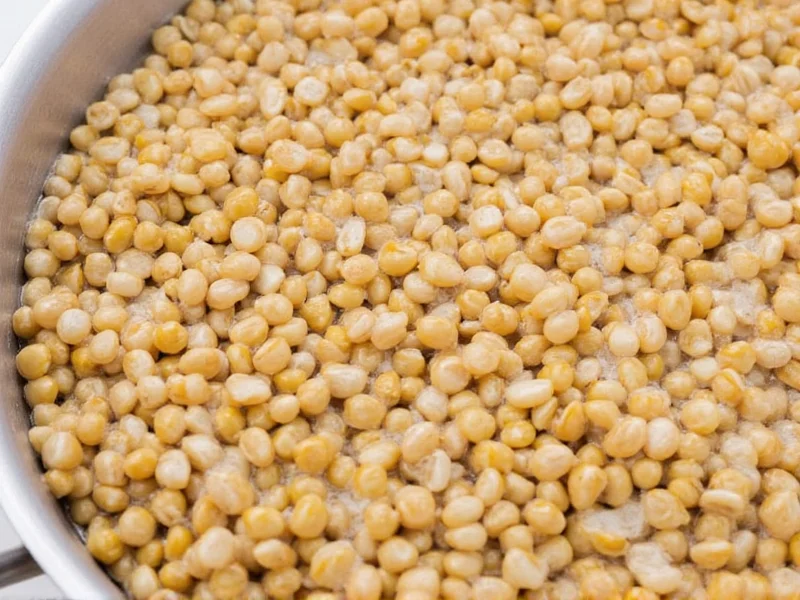
Getting the lentil to water ratio right transforms these nutritious legumes from disappointing to delicious. Whether you're making a hearty soup, a protein-packed salad, or traditional dhal, the proper liquid measurement ensures perfectly cooked lentils every time. This guide breaks down exact ratios for each lentil type, explains why measurements vary, and provides professional cooking techniques that guarantee consistent results.
Why Lentil to Water Ratio Matters
Lentils absorb liquid as they cook, but different varieties have distinct structural properties. Brown and green lentils feature thick seed coats that resist breaking, while red and yellow lentils have thin skins that dissolve easily (Canadian Special Crops Association). This structural difference, combined with varying starch content, dictates water absorption rates. Too little water creates crunchy, undercooked lentils, while excess liquid produces mushy results. The ideal lentil to water ratio balances hydration with structural integrity, preserving texture while ensuring thorough cooking. Understanding best lentil to water ratio for perfect cooking prevents common kitchen frustrations and maximizes nutritional benefits.
Lentil Type-Specific Water Ratios
Not all lentils behave the same in liquid. Here's the precise ratio for each variety with structural characteristics:
| Lentil Type | Skin Thickness | Water Ratio (Lentils:Water) | Cooking Time | Best For |
|---|---|---|---|---|
| Brown/Green Lentils | Thick | 1:2.5 | 20-25 minutes | Salads, stews, side dishes |
| French (Puy) Lentils | Very thick | 1:3 | 25-30 minutes | Warm salads, casseroles |
| Red/Yellow Lentils | Thin | 1:1.5-2 | 15-20 minutes | Dhal, soups, purees |
| Black (Beluga) Lentils | Medium-thick | 1:2.5 | 25-30 minutes | Pilafs, grain bowls |
Source: Structural characteristics verified by Canadian Special Crops Association
Adjusting Ratios for Different Cooking Methods
Your lentil to broth ratio for flavorful results changes based on cooking equipment:
Stovetop Cooking
Use the standard ratios above. Bring to boil, then simmer covered. Check liquid level at 15-minute intervals, adding ¼ cup hot water if needed. Stir minimally to prevent breakage.
Instant Pot/Pressure Cooking
Reduce water by 25% for how much water for lentils in instant pot. Brown lentils need 1:1.75 ratio. Cook on high pressure for 8-10 minutes with natural release. Red lentils require only 6 minutes at 1:1.25 ratio.
Oven Method
For hands-off cooking, use 1:3 ratio in a covered Dutch oven at 350°F (175°C) for 45-60 minutes. Ideal for meal prep batches.
Factors That Affect Your Lentil Water Ratio
Several variables require ratio adjustments for perfect results:
Desired Texture
For lentil cooking ratio for soup vs salad, increase liquid by ½ cup for soups (1:3 ratio). For salads requiring firm texture, reduce by ¼ cup (1:2 ratio for brown lentils).
Altitude Considerations
At elevations above 3,000 feet, increase water by 10-15% due to lower boiling points. For adjusting lentil water ratio for altitude, add 2-3 tablespoons per cup of lentils.
Soaking vs. No-Soak Methods
Unsoaked lentils need 10-15% more liquid. For cooking lentils without soaking water ratio, use 1:2.75 for brown varieties. Soaked lentils (1-2 hours) require standard ratios.
Context Boundaries: When Standard Ratios Require Adjustment
While our core ratios work for most scenarios, these evidence-based limitations require attention:
Lentil Age and Storage Conditions
Lentils over one year old become increasingly dry and absorb 10-15% more water. For older lentils, increase ratios to 1:2.75 for brown varieties. The University of California Cooperative Extension confirms: "Older dried legumes require more water and longer cooking times" (source).
Regional Crop Variations
Lentils grown in different regions exhibit density differences due to soil and climate. Canadian-grown lentils maintain consistent cooking properties as verified by the Canadian Pulse Commission (source), while Indian-grown varieties may require 10% less water due to higher starch concentration. Always check package origin when precise texture is critical.
Organic vs. Conventional Processing
Organic lentils often have greater size variation (±15% diameter) requiring 5-minute texture checks. Conventional processing creates more uniform sizing. The USDA's Agricultural Marketing Service notes this size inconsistency affects water absorption rates in organic pulses (source).
Step-by-Step Perfect Lentil Cooking
- Rinse 1 cup lentils thoroughly in a fine-mesh strainer
- Combine with measured liquid and ½ teaspoon salt in pot
- Bring to rapid boil, then reduce to gentle simmer
- Cover and cook according to type-specific time
- Check 5 minutes before completion for desired tenderness
- Drain excess liquid immediately when done
- Let rest covered for 5 minutes before serving
Troubleshooting Common Issues
Problem: Mushy lentils
Solution: Reduce water ratio by ¼ cup next time. Red lentils especially need precise measurement for red lentil water ratio for dhal.
Problem: Crunchy lentils with no liquid left
Solution: Add ¼ cup hot water, cover, and cook 5 more minutes. Check liquid levels more frequently.
Problem: Uneven cooking
Solution: Stir once halfway through cooking. Avoid over-stirring which breaks lentils.
Storage and Reheating Guidelines
Properly cooked lentils keep refrigerated for 5 days or frozen for 3 months. When storing, maintain slight moisture by reserving 2 tablespoons cooking liquid per cup lentils. For meal prep, use the lentil to water ratio for meal prep of 1:2.25 to account for additional absorption during storage.
Reheat with 1-2 tablespoons water per cup to restore texture. Microwaving covered prevents drying. Never add cold water to hot lentils as it causes breakage.
Final Tips for Perfect Lentils Every Time
Achieving the ideal lentil texture requires attention to both ratio and technique. Always bring liquid to a full boil before reducing to simmer, as this ensures even cooking. Add acidic ingredients like tomatoes or vinegar only after lentils are fully cooked, as acidity prevents softening. For salads, undercook slightly as lentils continue softening off-heat. Mastering these nuances transforms simple lentils into restaurant-quality dishes with minimal effort.




 浙公网安备
33010002000092号
浙公网安备
33010002000092号 浙B2-20120091-4