
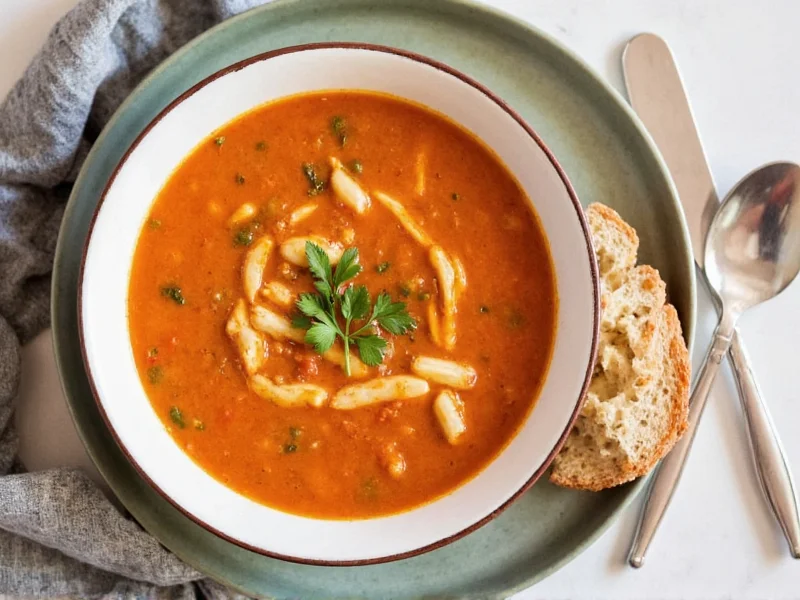
The Heartwarming History of Fagioli Soup
Fagioli soup, or pasta e fagioli ("pasta and beans" in Italian), originated as peasant food in rural Italy where simple, affordable ingredients created nourishing meals. This humble dish has evolved from cucina povera ("poor kitchen") tradition to a beloved staple across Italian households and restaurants worldwide. The authentic version varies significantly by region—Tuscany favors a thicker, pasta-heavy preparation while Southern Italy often creates a brothier soup. Understanding these regional differences helps home cooks appreciate the flexibility within this seemingly simple recipe.
Historical Evolution Timeline
Culinary historians document how socioeconomic factors shaped this dish's development across centuries:
- 15th-16th Century: Beans and pasta consumed separately by rural poor; no recorded combination (Source: Montanari, 2013)
- 1800s: First documented fusion in Central Italian farmworker communities using dried beans and broken pasta scraps
- Early 1900s: Spread to urban centers via internal migration; regional variations codified in local cookbooks
- 1950s-Present: Global popularization through Italian diaspora; Slow Food Foundation begins documenting authentic regional preparations
Source: Montanari, M. (2013). Italian Food: A Cultural History. Columbia University Press (pp. 117-122)
Essential Ingredients for Authentic Flavor
The magic of fagioli soup lies in its ingredient quality and preparation technique. While canned beans offer convenience, dried cannellini beans provide superior texture and flavor absorption. When selecting ingredients:
| Ingredient | Why It Matters | Substitution Options |
|---|---|---|
| Dried Cannellini Beans | Creates creamier texture and absorbs flavors better than canned | Borlotti or Great Northern beans |
| Pancetta | Provides essential umami depth (do not skip for authentic flavor) | Guanciale or smoked turkey bacon |
| Small Pasta | Ditalini or small shells hold soup beautifully | Acini di pepe or broken spaghetti |
| San Marzano Tomatoes | Sweeter, less acidic tomato base | High-quality crushed tomatoes |
Step-by-Step Cooking Process
Follow these professional techniques for restaurant-quality fagioli soup at home:
Bean Preparation (Critical Step)
Soak dried beans overnight in cold water with 1 teaspoon baking soda. Drain and rinse before cooking. Simmer in fresh water for 45-60 minutes until tender but not falling apart. Never add salt during bean cooking as it prevents proper softening. This traditional Italian technique ensures perfectly textured beans that maintain integrity in the finished soup.
Soffritto Foundation
The flavor base requires careful attention:
- Finely dice onion, carrot, and celery (the classic soffritto ratio is 2:1:1)
- Cook pancetta in heavy pot until crisp, then remove leaving 2 tablespoons fat
- Sauté vegetables over medium-low heat for 10-12 minutes until translucent (not browned)
- Add minced garlic during last 2 minutes of cooking
Building Flavor Layers
Combine cooked beans with soffritto, 1 (28-ounce) can crushed tomatoes, and 6 cups broth. Simmer uncovered for 30 minutes to develop complex flavors. Add 1 cup small pasta during the last 10 minutes of cooking. Crucially, cook pasta separately and add to individual bowls to prevent mushiness in leftovers—a professional chef technique many home recipes overlook.
Avoiding Common Fagioli Soup Mistakes
Even experienced cooks make these errors when preparing traditional Italian bean soup:
- Adding salt too early - Wait until beans are nearly tender before seasoning
- Overcooking pasta - Cook pasta separately and add to bowls just before serving
- Skipping the soffritto - This flavor base cannot be substituted with dried herbs
- Using canned beans without adjustment - Reduce liquid by 1 cup when using canned beans
- Blending all the soup - Traditional versions maintain distinct bean texture
Regional Authenticity: Styles and Context Boundaries
Traditional preparations adapt to local conditions with specific limitations. The Accademia Italiana della Cucina documents these critical context boundaries:
| Regional Style | Essential Ingredients | Contextual Limitations | Ideal Serving Conditions |
|---|---|---|---|
| Tuscan (Pasta e Fagioli alla Toscana) | Extra pancetta, tomato paste, Pecorino Romano | Requires high-quality olive oil to balance richness; fails with lean broth | Cold weather as main course with crusty bread |
| Southern Italian | Escarole/spinach, extra garlic, oregano | Escarole becomes bitter if overcooked; unsuitable for make-ahead meals | Summer months with fresh seasonal greens |
| Roman (Pasta e Fagioli alla Romana) | Guanciale, rosemary, pecorino | Guanciale substitution creates fundamentally different dish; sage garnish loses crispness | Sunday family meals served immediately |
Source: Accademia Italiana della Cucina - Regional Culinary Traditions Database (Document #AC-2021-PF)
Practical Application Guidelines
- Tuscan style fails in humid climates as the thick consistency becomes oppressive; always reduce pasta by 25% in summer
- Southern variations require fresh escarole within 24 hours of harvest; frozen substitutes destroy texture integrity
- Roman preparation demands DOP pecorino romano—substitutes lack the required salt crystallization for authentic mouthfeel
- Modern adaptations sacrifice traditional depth; vegetable broth versions cannot replicate pancetta's Maillard reaction compounds
Serving and Storage Tips
Fagioli soup tastes even better the next day as flavors meld. Store components separately for best results:
- Keep cooked pasta in separate container to prevent absorption
- Cool soup completely before refrigerating in airtight containers
- Freeze bean and vegetable base for up to 3 months (add fresh pasta when reheating)
Reheat gently over medium-low heat, adding reserved pasta and a splash of broth if needed. Finish each bowl with fresh parsley, extra virgin olive oil, and grated Parmesan cheese—the traditional Italian finishing touch that elevates simple ingredients.




 浙公网安备
33010002000092号
浙公网安备
33010002000092号 浙B2-20120091-4