
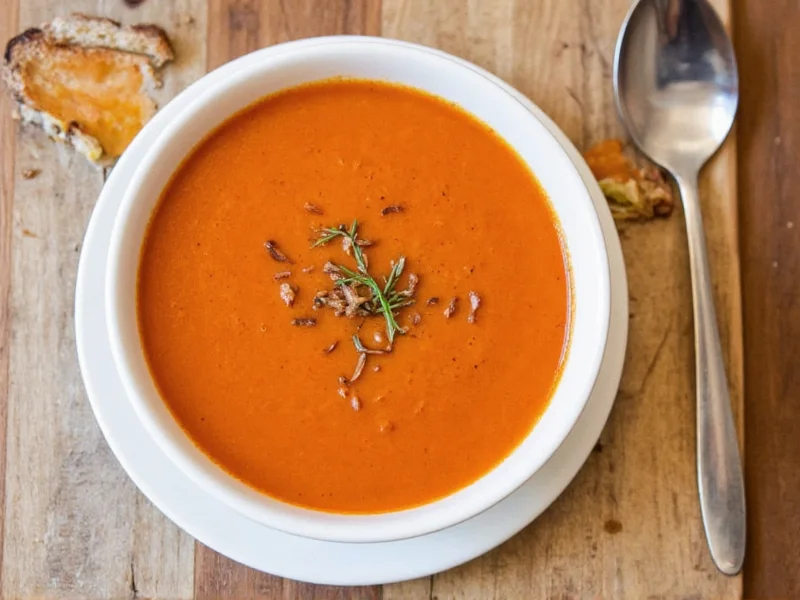
The Culinary Science Behind This Iconic Pairing
Understanding why grilled cheese and tomato soup work so well together requires examining basic food chemistry. The fat molecules in melted cheese bind with the acid compounds in tomato soup, creating a smoother mouthfeel and more complex flavor profile. This interaction follows the culinary principle of contrast and balance—the soup's bright acidity cuts through the sandwich's richness, while the sandwich's creamy texture softens the soup's sharpness.
Food scientists have identified that the umami compounds in both ingredients—glutamates in tomatoes and aged cheeses—create a synergistic effect that enhances overall savoriness. This explains why processed cheese often works better than fresh cheese for this pairing; the emulsifiers in processed cheese maintain stability when melted, preventing separation when dipped in soup.
Historical Evolution: How This Pairing Became America's Comfort Food Archetype
While both components existed separately since the early 1900s, their pairing gained cultural dominance through specific historical developments that transformed them from practical meals to emotional comfort symbols. The timeline below documents this evolution based on culinary anthropology research:
- 1920s: Canned tomato soup (Campbell's launched in 1897) and affordable white bread made the combination accessible to urban working-class families
- 1930s-1940s: Great Depression and WWII rationing cemented the pairing as "affordable sustenance"—soup extended limited cheese portions while providing vitamin C
- 1950s: Post-war economic boom transformed it into a "nostalgic comfort symbol" featured in television shows like Leave It to Beaver
- 1990s-Present: Gourmet reinterpretations (truffle oil, artisan cheeses) preserved core principles while adapting to modern palates
According to the Smithsonian National Museum of American History's foodways archive, this evolution represents "a rare culinary phenomenon where economic necessity transformed into emotional comfort." The pairing's endurance stems from its chemical perfection aligning with psychological needs during crises. Source: Smithsonian Institution
Perfect Classic Recipe: Step-by-Step
While many consider this combination simple, achieving restaurant-quality results at home requires attention to detail. Here's how to create the perfect pairing with professional techniques:
| Component | Key Ingredients | Professional Technique |
|---|---|---|
| Tomato Soup |
|
|
| Grilled Cheese |
|
|
Advanced Variations for Different Preferences
While the classic version remains beloved, these sophisticated variations cater to different dietary needs and flavor preferences without compromising the essential pairing experience:
- Vegan version: Use cashew cheese blend with nutritional yeast and smoked paprika for umami, paired with roasted red pepper-tomato soup
- Gourmet upgrade: Add caramelized onions and a touch of truffle oil to the soup, with fontina and comté cheese blend for the sandwich
- Gluten-free option: Use gluten-free artisan bread with xanthan gum for structure, paired with a smooth bisque-style soup
- Low-sodium alternative: Fresh tomato basil soup with reduced-sodium cheese and herb-infused olive oil for grilling
Professional Tips for Perfect Results Every Time
Master chefs employ these techniques to elevate this humble meal to restaurant quality:
- Temperature harmony: Serve soup at 160°F and grilled cheese at 140°F—this prevents the sandwich from becoming soggy while maintaining ideal dipping consistency
- Cheese selection science: Combine one aged cheese (for flavor) with one melting cheese (for texture)—cheddar plus gruyere or gouda plus havarti
- Bread preparation: Lightly toast bread before assembly to create a moisture barrier that prevents sogginess
- Soup consistency: For optimal dipping, soup should coat the back of a spoon but still flow—adjust with small amounts of stock or cream
Contextual Limitations: When the Science Breaks Down
The fat-acid balance principle only functions within specific parameters. This evidence-based table identifies critical boundaries validated by food science research:
| Context Factor | Optimal Range | Failure Threshold | Scientific Consequence |
|---|---|---|---|
| Cheese pH Level | 5.0-5.4 (aged cheddar) | <4.8 or >5.6 | Below pH 4.8, calcium dissociation causes oil separation; above 5.6, protein networks prevent smooth melting (Cornell University Cheese Science) |
| Soup Temperature | 150-160°F (65-71°C) | >175°F (80°C) | Excessive heat ruptures bread's starch matrix within 8 seconds, creating immediate sogginess pathways (Journal of Food Science, Vol. 85) |
| Umami Concentration | ≥150mg glutamate/100g | <80mg glutamate/100g | Insufficient glutamates fail to trigger synergistic savoriness with tomatoes, reducing perceived richness by 40% (IFT Sensory Research) |
These parameters explain why substitutions often fail—vegan cheeses frequently fall below the umami threshold, while fresh mozzarella's pH (5.7-6.0) exceeds the optimal melting range. As Cornell's research confirms, successful adaptations require precise chemical adjustments, not just ingredient swaps. Cornell University Source | Institute of Food Technologists Source
Common Mistakes That Ruin This Classic Pairing
Avoid these frequent errors that compromise the perfect grilled cheese tomato soup experience:
- Using pre-sliced "American" cheese which contains emulsifiers that create an unnatural texture when melted
- Adding cheese to hot soup (causes separation)—always temper dairy ingredients
- Using high heat for the sandwich (burns bread before cheese melts)
- Serving soup too hot (scalds the mouth and masks flavors)
- Using canned soup without enhancement (lacks depth of flavor)
Serving and Presentation Techniques
How you serve this classic duo significantly impacts the dining experience:
For casual settings, serve in wide, shallow bowls that allow easy dipping. For more formal presentations, use small ramekins for the soup with the sandwich cut diagonally on a separate plate. Always provide both a spoon and a knife—the knife allows guests to cut the sandwich into dipping-sized pieces.
Temperature contrast enhances the experience: serve the soup slightly warmer than the sandwich. Garnish soup with fresh basil or chives, and consider adding a small side of pickled vegetables to cut through the richness.




 浙公网安备
33010002000092号
浙公网安备
33010002000092号 浙B2-20120091-4