
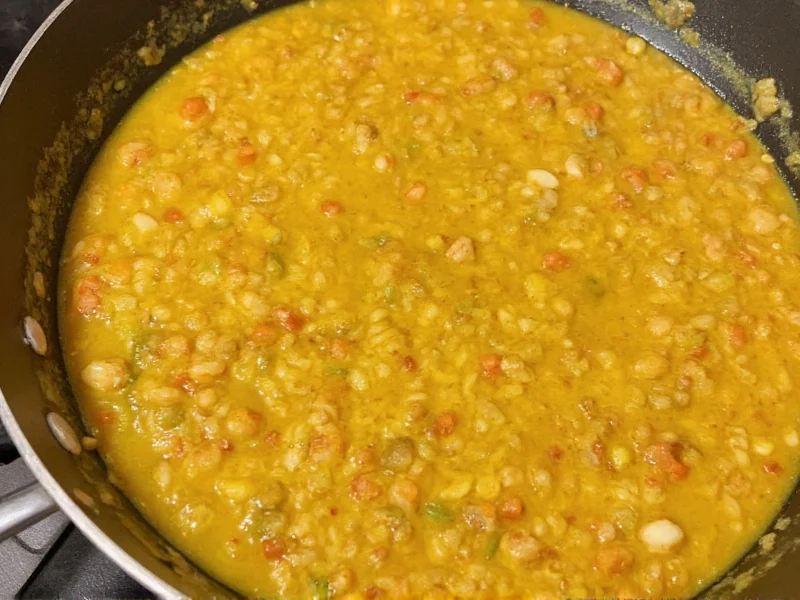
Creating the perfect lentil dal requires understanding both technique and tradition. This humble Indian staple has nourished families for centuries, evolving into countless regional variations while maintaining its essential character. As someone who's cooked dal weekly for over a decade, I've refined this approach to deliver consistent results that honor tradition while accommodating modern kitchens.
The Science Behind Perfect Lentil Dal
What transforms simple lentils into that signature creamy texture without dairy? The magic happens through two key processes: proper lentil selection and the tadka (tempering) technique. Red lentils (masoor dal) naturally break down during cooking, creating that velvety consistency prized in North Indian cuisine. Unlike other legumes, they require no soaking and cook relatively quickly while maintaining nutritional integrity.
The tempering process—adding spices to hot oil before incorporating them into the cooked lentils—releases essential oils and compounds that water alone cannot extract. This isn't just tradition; it's food science. Cumin seeds crackle at precisely 350°F (177°C), releasing aromatic compounds that would remain locked away in cold oil.
Essential Ingredients and Their Purpose
Every ingredient in authentic lentil dal serves a specific purpose. Understanding these roles helps you make informed substitutions without compromising the dish's integrity:
| Ingredient | Function | Substitution Options |
|---|---|---|
| Red lentils (masoor dal) | Base protein and creamy texture | Yellow lentils (toor dal) for firmer texture |
| Cumin seeds | Earthy foundation flavor | Ground cumin (use 1/4 tsp) |
| Fresh ginger | Warmth and digestive properties | Ginger powder (1/4 tsp) |
| Fresh tomatoes | Brightness and acidity balance | Tamarind paste (1 tsp) or lemon juice |
| Asafoetida (hing) | Digestive aid and umami boost | Not recommended - unique flavor |
Step-by-Step Cooking Method
Follow this professional approach for consistently excellent results:
- Prepare lentils: Rinse 1 cup red lentils thoroughly until water runs clear. This removes excess starch that causes foaming.
- Cook lentils: Combine lentils with 3 cups water, 1/2 tsp turmeric, and 1 tsp salt in a heavy-bottomed pot. Bring to boil, then reduce heat to maintain gentle simmer. Skim off foam that forms during first 5 minutes.
- Prepare vegetables: While lentils cook, finely dice 1 medium onion, 2 cloves garlic, and 1-inch ginger. Chop 2 medium tomatoes.
- Cook lentils: Simmer uncovered for 20-25 minutes until lentils are completely soft and broken down. Add water as needed to maintain soup-like consistency.
- Build flavor base: In separate pan, heat 2 tbsp oil over medium heat. Add 1 tsp cumin seeds and let sizzle 30 seconds until fragrant but not browned.
- Add aromatics: Stir in onions and cook until golden (8-10 minutes). Add garlic, ginger, 1/2 tsp chili powder, and a pinch of asafoetida. Cook 2 minutes until raw smell disappears.
- Combine: Add tomato mixture to cooked lentils. Simmer 5 minutes to blend flavors.
- Finish with tempering: Heat 1 tbsp oil in small pan until shimmering. Add 1 dried red chili and 1 sprig fresh curry leaves (if available). Pour this tadka over finished dal.
Proven Techniques for Restaurant-Quality Results
After testing dozens of variations, these techniques consistently produce superior dal:
- The water ratio matters: Start with 3 cups water to 1 cup lentils, but adjust during cooking. The ideal consistency resembles heavy cream—not too thick, not too thin.
- Timing the tempering: Add the tadka (spice oil) just before serving. This preserves volatile aromatic compounds that dissipate with prolonged cooking.
- Acidity balance: Add tomatoes early for deeper flavor integration, but finish with a squeeze of lemon for brightness that cuts through richness.
- Texture control: For extra creaminess without dairy, blend 1/4 of the cooked dal before adding back to the pot.
Variations for Different Dietary Needs
This basic lentil dal recipe adapts beautifully to various dietary requirements while maintaining authentic flavor:
- Vegan version: The traditional recipe is naturally vegan. For extra richness, stir in 1/4 cup coconut milk at the end.
- Gluten-free adaptation: Ensure your asafoetida (hing) is labeled gluten-free, as some brands mix it with wheat flour.
- Protein boost: Add 1/2 cup cooked spinach during the last 5 minutes of cooking for additional nutrients without altering flavor significantly.
- Quick weeknight dal: Use canned tomatoes and pre-minced ginger/garlic to reduce prep time by 10 minutes with minimal flavor compromise.
Serving Traditions and Modern Pairings
While dal tastes wonderful on its own, traditional Indian meals feature strategic pairings that create balanced nutrition and flavor experiences. The classic combination of dal with basmati rice (dal chawal) provides complete protein through complementary amino acids.
For contemporary presentations, consider these pairings:
- With grains: Serve over quinoa for added protein or with naan for traditional dipping
- As a base: Spoon over roasted vegetables for a nutrient-dense bowl
- With contrast: Top with fresh cilantro, a dollop of yogurt, and thinly sliced red onions
- For texture: Add a sprinkle of toasted coconut or crushed papadum just before serving
Storage and Reheating Best Practices
Lentil dal often tastes better the next day as flavors continue to meld. Proper storage maintains quality:
- Cool completely before refrigerating (within 2 hours of cooking)
- Store in airtight container for up to 5 days
- Freeze in portion-sized containers for up to 3 months
- Reheat gently with a splash of water to restore consistency
When reheating, bring to a gentle simmer rather than boiling vigorously, which can cause separation. Always finish with a fresh tadka when serving leftovers—this revives the aromatic qualities that diminish during storage.
Frequently Asked Questions
Why does my lentil dal turn out watery?
Watery dal typically results from too much water or insufficient cooking time. Red lentils should break down completely, creating natural thickness. If your dal is too thin, simmer uncovered for 5-10 minutes to reduce liquid. Alternatively, blend 1/4 of the cooked dal and stir it back in for instant thickening without altering flavor.
Can I make authentic lentil dal without a pressure cooker?
Absolutely. While pressure cookers speed the process, traditional dal is made in a regular pot. The key is gentle simmering—boiling too vigorously can cause lentils to break unevenly. Plan for 25-30 minutes of simmering time for red lentils, stirring occasionally to prevent sticking to the bottom.
What's the difference between dal and sambar?
Dal refers specifically to cooked lentils, while sambar is a South Indian lentil-based vegetable stew with tamarind and a specific spice blend. Dal typically uses one lentil variety with simple spices, whereas sambar combines toor dal with multiple vegetables, tamarind, and sambar powder. Both are delicious but represent different regional traditions within Indian cuisine.
How can I reduce gas from eating lentils?
To minimize digestive discomfort: 1) Rinse lentils thoroughly before cooking, 2) Add 1/4 tsp baking soda to cooking water (controversial but effective), 3) Include digestive spices like cumin, asafoetida, and ginger in your tempering, and 4) Start with smaller portions if you're new to lentils. Properly cooked lentils should be easily digestible for most people.
Can I use canned lentils for quick dal preparation?
While not traditional, canned lentils can work in a pinch. Drain and rinse two 15-ounce cans of cooked lentils, then proceed with the tempering and vegetable steps. Reduce cooking time to 10-15 minutes to allow flavors to meld. Note that canned lentils may have slightly different texture and require less liquid adjustment than dried lentils.




 浙公网安备
33010002000092号
浙公网安备
33010002000092号 浙B2-20120091-4