
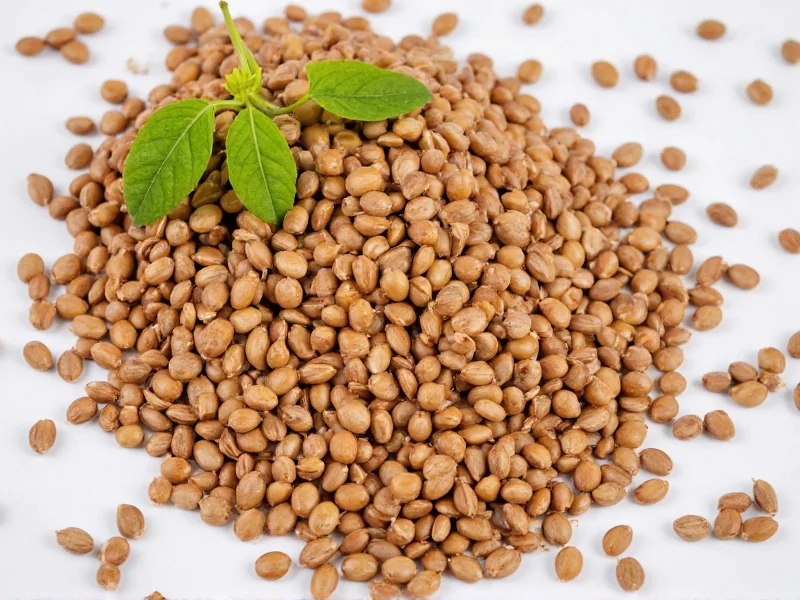
Nutritional Powerhouse: What Makes Lentils Special
Lentils stand out among legumes for their exceptional nutrient density and versatility. These ancient crops have sustained human populations for millennia, and modern science continues to validate their impressive health profile. Unlike many plant proteins, lentils provide a complete amino acid profile when combined with grains, making them invaluable for vegetarian and vegan diets.
Historical Evolution of Lentil Consumption and Research
- 8000 BCE: Archaeological evidence from Jerf el Ahmar (Syria) confirms lentil domestication as one of humanity's earliest agricultural crops (FAO, source).
- 1200 BCE: Lentils appear in Egyptian tomb paintings as funerary offerings, indicating cultural significance (The Metropolitan Museum of Art, source).
- 2013: PREDIMED trial demonstrates 30% reduced cardiovascular events with legume-inclusive Mediterranean diets (NEJM, source).
- 2020: Meta-analysis in Nutrients confirms 5% average LDL reduction from regular legume consumption (MDPI, source).
Their nutritional composition creates synergistic health effects that extend beyond individual nutrients. Let's examine the specific components that make lentils a dietary powerhouse:
| Nutrient | Amount per 1 cup cooked (198g) | % Daily Value | Health Significance |
|---|---|---|---|
| Calories | 230 | 12% | Energy-dense yet low-calorie density food |
| Protein | 18g | 36% | Complete protein when paired with grains |
| Fiber | 15g | 54% | Soluble and insoluble fiber for digestion |
| Folate | 358mcg | 90% | Essential for cell function and tissue growth |
| Iron | 6.6mg | 37% | Plant-based iron source (enhanced with vitamin C) |
| Manganese | 1.3mg | 57% | Antioxidant enzyme support and bone health |
Science-Backed Health Benefits of Regular Lentil Consumption
Cardiovascular Protection Through Multiple Mechanisms
Lentils significantly contribute to heart health through several evidence-based pathways. The soluble fiber in lentils binds to bile acids in the digestive tract, prompting the liver to use circulating cholesterol to produce more bile, thereby lowering LDL cholesterol levels. A 2020 meta-analysis published in Nutrients found that regular legume consumption reduced LDL cholesterol by an average of 5% compared to control diets.
Additionally, lentils contain polyphenols like anthocyanins (particularly in black lentils) and flavonoids that reduce inflammation and oxidative stress—key contributors to atherosclerosis. The potassium content in lentils (678mg per cup) helps regulate blood pressure by counteracting sodium effects and relaxing blood vessel walls.
Blood Sugar Regulation for Diabetes Prevention and Management
With a remarkably low glycemic index of 32, lentils create minimal blood sugar spikes compared to other carbohydrate sources. Research from the Archives of Internal Medicine demonstrated that incorporating one daily serving of legumes reduced HbA1c levels in type 2 diabetes patients more effectively than increasing whole wheat fiber intake.
The unique combination of complex carbohydrates, protein, and fiber in lentils slows glucose absorption into the bloodstream. This effect, known as the "second meal phenomenon," means that eating lentils at one meal can actually improve blood sugar control at subsequent meals—a benefit not seen with many other foods.
Digestive Health Through Prebiotic Fiber
Lentils contain both soluble and insoluble fiber in ideal proportions for digestive wellness. The soluble fiber forms a gel-like substance that slows digestion and feeds beneficial gut bacteria, while insoluble fiber adds bulk to stool and prevents constipation.
Studies show that the prebiotic compounds in lentils specifically nourish Bifidobacteria and Lactobacillus strains—probiotic bacteria associated with reduced inflammation and enhanced immune function. Regular lentil consumption has been linked to increased production of butyrate, a short-chain fatty acid that nourishes colon cells and may protect against colorectal cancer.
Varietal Differences: Choosing the Right Lentil for Your Health Goals
While all lentils share core nutritional benefits, different varieties offer unique advantages:
- Green/Brown Lentils: Highest in fiber (15.6g per cup) and maintain shape well after cooking. Ideal for salads and side dishes where texture matters. Their slightly higher resistant starch content provides enhanced blood sugar benefits.
- Red/Yellow Lentils: Cook faster and break down more easily, making them perfect for soups and purees. Contain slightly more folate than green varieties, benefiting pregnant women and those with elevated homocysteine levels.
- Black (Beluga) Lentils: Rich in anthocyanins (the same antioxidants found in blueberries) that provide potent anti-inflammatory effects. Their smaller size and caviar-like appearance make them visually distinctive in dishes.
- Puy Lentils: Grown in France's Le Puy region, these slate-blue lentils have a peppery flavor and exceptional protein density (26g per dry 100g). Their dense structure provides prolonged satiety.
Practical Incorporation: Maximizing Lentil Benefits in Your Diet
To fully leverage lentil health benefits while minimizing potential digestive discomfort:
- Start with small portions: Begin with 1/4 cup cooked lentils daily, gradually increasing to the recommended 1/2-1 cup serving as your digestive system adapts.
- Soak before cooking: Soaking dried lentils for 2-4 hours reduces phytic acid content, enhancing mineral absorption and decreasing gas production.
- Combine with vitamin C: Pair lentils with tomatoes, bell peppers, or citrus to increase non-heme iron absorption by up to 300%.
- Cook thoroughly: Proper cooking destroys lectins that can cause digestive upset. Avoid undercooked lentils that remain hard.
- Experiment with varieties: Rotate between lentil types to benefit from their different phytonutrient profiles.
Contextual Application: Maximizing Benefits Within Individual Health Profiles
Lentils provide substantial health advantages, but their effectiveness depends on individual health contexts and dietary patterns. Understanding these boundaries ensures optimal integration into your nutrition plan:
Optimal Benefit Scenarios
- Cardiovascular Risk Reduction: Most effective when consumed 3-4 times weekly as part of a balanced diet rich in vegetables and whole grains. The 5% average LDL reduction documented in the 2020 Nutrients meta-analysis required consistent consumption at these frequencies.
- Blood Sugar Management: Ideal replacement for refined carbohydrates (white rice, pasta) in meals. Diabetics achieve greatest HbA1c reduction when substituting lentils for these high-GI foods, as demonstrated in the Archives of Internal Medicine study.
- Digestive Wellness: Best introduced gradually (starting at 1/4 cup cooked) with adequate water intake. The prebiotic benefits for gut microbiota become significant after 2-4 weeks of regular consumption.
Important Limitations and Adjustments
- IBS Management: While the fiber supports digestion, FODMAP-sensitive individuals should limit portions to 1/4 cup cooked per serving. Monash University's low-FODMAP certification confirms this amount minimizes symptoms while retaining benefits (source).
- Gout and Kidney Stone Concerns: Plant-based purines in lentils pose significantly lower risk than animal sources, but acute gout attacks may require temporary reduction. The Arthritis Foundation notes that legumes generally do not trigger gout (source).
- Iron Absorption Optimization: Non-heme iron in lentils requires vitamin C pairing for optimal absorption. Without this, vegetarians/vegans may need 1.8x more iron than meat-eaters (National Institutes of Health, source).
Conclusion: The Enduring Value of Lentils in Modern Nutrition
Lentils represent one of nature's most complete functional foods, offering a rare combination of protein, fiber, and micronutrients in a low-calorie package. Their evidence-based benefits for heart health, blood sugar regulation, and digestive wellness make them worthy staples in any balanced diet. Unlike many trendy superfoods, lentils provide consistent, scientifically validated health advantages without premium pricing. By understanding the different varieties and preparation methods, you can maximize lentil health benefits while enjoying their versatility in countless culinary applications. As research continues to uncover new mechanisms behind their health-promoting properties, lentils remain a timeless nutritional powerhouse worthy of regular inclusion in health-conscious diets.




 浙公网安备
33010002000092号
浙公网安备
33010002000092号 浙B2-20120091-4