
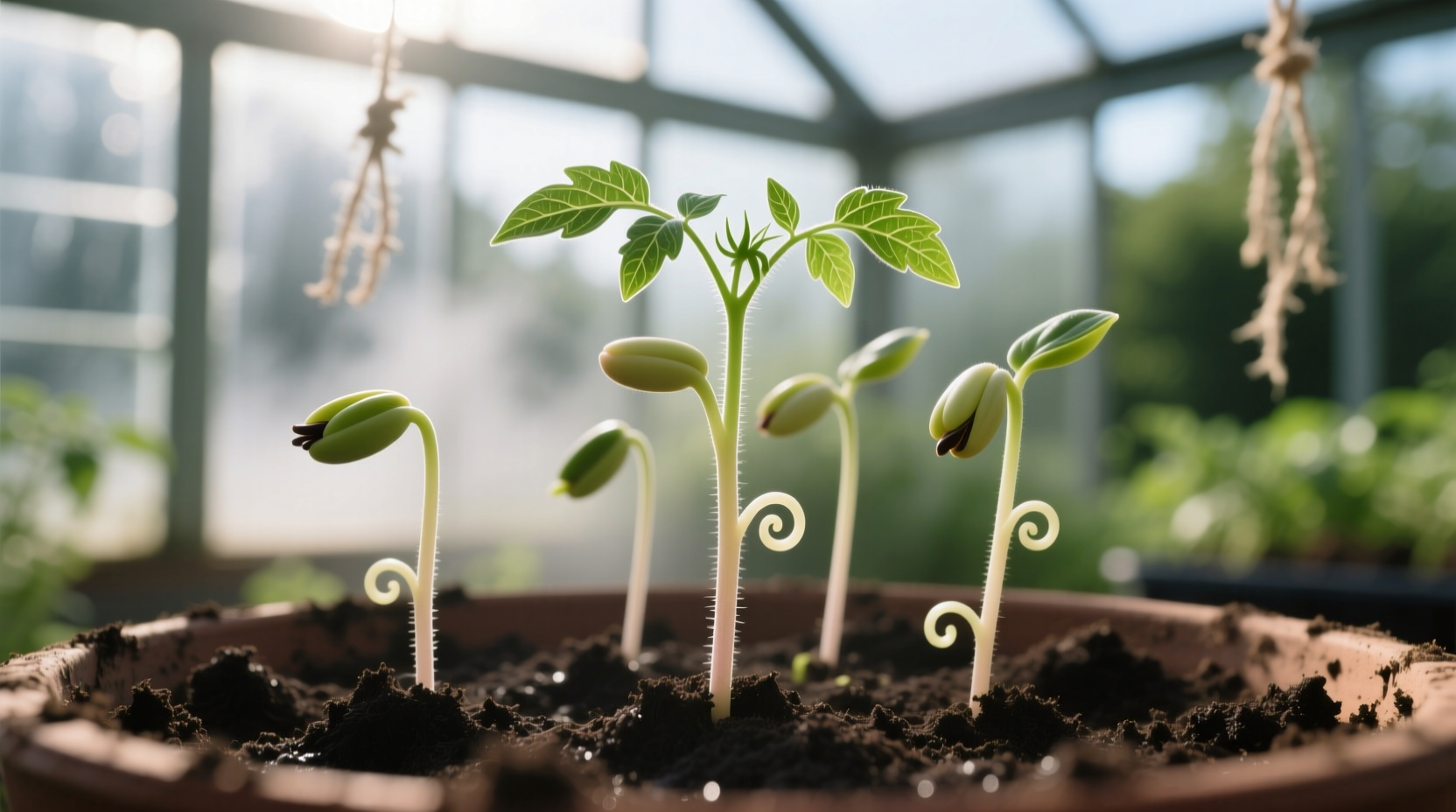
Understanding Leggy Tomato Seedlings: Why Your Plants Are Stretching
If your tomato seedlings are tall, thin, and weak with sparse leaves, you're dealing with leggy growth—a common problem for beginner gardeners. This condition occurs when seedlings stretch excessively toward light sources, resulting in fragile stems that struggle to support mature plants. The good news: with proper intervention, most leggy seedlings can be saved before transplanting outdoors.
According to research from University of Minnesota Extension, insufficient light is the primary cause of leggy seedlings, accounting for over 80% of cases. When natural sunlight is limited—especially during short winter days—seedlings instinctively elongate their stems in search of brighter conditions.
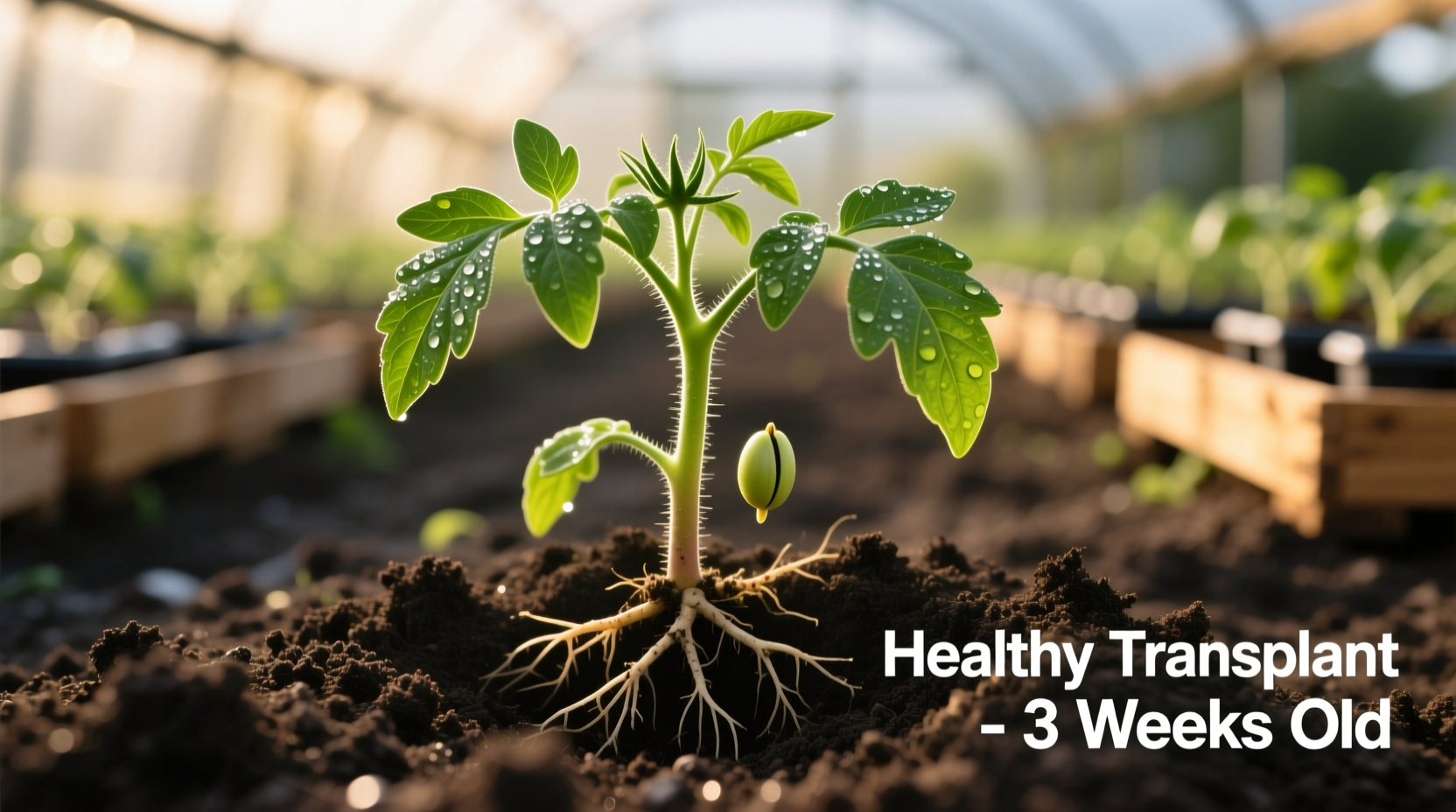
| Healthy Seedling Characteristics | Leggy Seedling Warning Signs |
|---|---|
| Sturdy stem (¼ inch or thicker) | Thin, elongated stem (less than ⅛ inch) |
| 4-6 sets of true leaves | Fewer than 3 sets of true leaves |
| Compact growth habit | Height exceeding 6 inches before transplanting |
| Vibrant green color | Pale or yellowish foliage |
The Science Behind Leggy Growth: What's Happening to Your Seedlings
Tomato seedlings become leggy due to specific environmental triggers that activate their survival mechanisms. When light levels fall below optimal thresholds, seedlings produce more gibberellins—plant hormones that stimulate stem elongation. This biological response helps them reach sunlight in natural settings but creates problems in controlled environments.
Research from Oregon State University Extension confirms that tomato seedlings require 2,500-3,000 foot-candles of light intensity for proper development. Most home windowsills provide only 250-1,000 foot-candles, forcing seedlings to stretch dramatically.
Step-by-Step Rescue Plan for Leggy Tomato Seedlings
Don't panic if your seedlings have already become leggy—several proven techniques can correct this issue before it's too late.
1. Transplant Deeper (Tomatoes' Unique Advantage)
Unlike most plants, tomatoes can develop roots along their stems—a characteristic that makes them uniquely salvageable when leggy. When transplanting:
- Bury the stem up to the first set of healthy leaves
- Create a shallow trench if the seedling is extremely leggy
- Remove any leaves that would be buried in soil
The USDA notes that this deep planting technique works because tomato stems contain adventitious root initials that activate when covered with soil, creating a stronger root system.
2. Optimize Light Conditions Immediately
Addressing light deficiency is critical for both rescue and prevention:
- Provide 14-16 hours of bright light daily using LED grow lights positioned 2-3 inches above plants
- Rotate seedlings regularly if using window light to prevent one-sided stretching
- Consider light duration as important as intensity—consistent daily light periods regulate growth
3. Adjust Temperature for Compact Growth
Warmer temperatures accelerate stem elongation. For compact growth:
- Maintain daytime temperatures of 65-75°F (18-24°C)
- Allow nighttime temperatures to drop 5-10 degrees
- Avoid placing seedlings near heat sources like radiators
Michigan State University's horticulture department confirms that cooler nighttime temperatures significantly reduce stem elongation without slowing overall growth.
Preventing Leggy Seedlings in Future Plantings
While rescue techniques work well, prevention is always preferable. Implement these strategies for robust seedlings:
Timing Your Seed Starting Correctly
Starting seeds too early is a common mistake. Calculate your seed-start date based on your local last frost date:
- Tomatoes need 6-8 weeks of indoor growth before transplanting
- Starting earlier than this increases legginess risk due to insufficient spring light
- Use a seed-starting calculator based on your USDA hardiness zone
Proper Seedling Spacing and Thinning
Overcrowded seedlings compete for light, causing stretching. Follow these spacing guidelines:
- Plant seeds ¼ inch deep in individual cells or spaced 2 inches apart in trays
- Thin crowded seedlings immediately after germination
- Use clean scissors to snip unwanted seedlings at soil level
When Leggy Seedlings Might Not Be Salvageable
While most leggy seedlings can be rescued, certain conditions indicate it's better to start over:
- Seedlings with fewer than two sets of true leaves and extreme stretching
- Plants showing signs of disease or pest damage in addition to legginess
- Seedlings that have become woody or hardened before proper development
The Cornell University Gardeners' Handbook notes that severely leggy seedlings (with stem heights exceeding 10 inches before developing proper leaves) often never recover full productivity, making replacement the better option.
Advanced Techniques for Problem Seedlings
For moderately leggy seedlings that need extra support:
- Gentle brushing: Pass your hand over seedlings several times daily to simulate wind and strengthen stems
- Cold treatment: Brief exposure to 50-55°F temperatures can slow excessive growth
- Supplemental lighting: Use reflective surfaces like aluminum foil around trays to maximize light exposure




 浙公网安备
33010002000092号
浙公网安备
33010002000092号 浙B2-20120091-4