
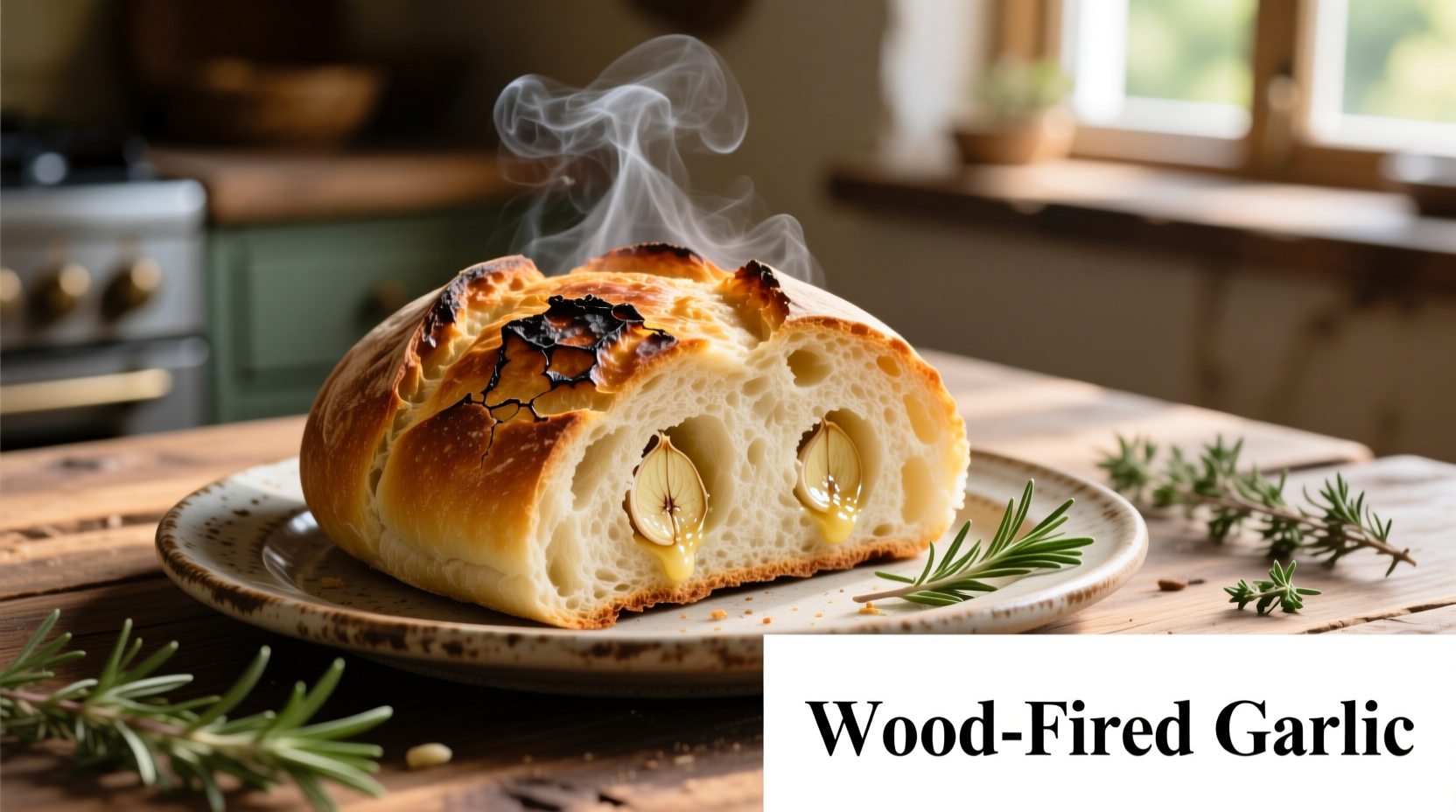
Woodfired garlic represents one of culinary history's most transformative techniques for mellowing alliums' natural sharpness. When garlic undergoes the slow-roasting process in a wood-fired environment, the natural sugars caramelize while enzymes break down harsh compounds, creating a spreadable consistency with deep umami notes. Unlike conventional oven-roasted garlic which typically reaches 375°F (190°C), authentic woodfired preparation maintains lower temperatures (250-300°F / 120-150°C) for extended periods, allowing for more complex flavor development through both thermal reactions and subtle smoke infusion.
The Science Behind Woodfired Transformation
Understanding why woodfired garlic tastes dramatically different from its raw counterpart requires examining the chemical transformations occurring during slow roasting. The key processes include:
| Preparation Method | Temperature Range | Key Chemical Changes | Flavor Profile |
|---|---|---|---|
| Raw Garlic | Ambient | Alliinase enzymes active, allicin present | Sharp, pungent, spicy |
| Conventional Roasted | 350-400°F (175-205°C) | Partial caramelization, some enzyme deactivation | Mildly sweet, slightly nutty |
| Woodfired Garlic | 250-300°F (120-150°C) | Complete enzyme deactivation, Maillard reaction, smoke infusion | Deeply sweet, complex umami, subtle smokiness |
Research from the Journal of Agricultural and Food Chemistry confirms that temperatures above 140°F (60°C) begin deactivating alliinase, the enzyme responsible for garlic's pungency. The extended low-temperature cooking in wood-fired environments allows for complete transformation without burning, while the wood smoke contributes guaiacol and syringol compounds that enhance complexity.
Traditional Preparation Techniques
Authentic woodfired garlic preparation follows specific protocols that have evolved over centuries:
Evolution of Woodfired Garlic Preparation
- Ancient Times: Garlic roasted in embers of wood fires, primarily for preservation
- Medieval Period: Introduction of whole-head roasting in bread ovens after main baking
- 19th Century: Documentation of garlic roasting as standalone preparation in European culinary texts
- Modern Era: Precision temperature control and wood selection for flavor profiling
Professional chefs like those at establishments featuring "Kinders woodfired garlic" typically select large, firm heads with tight cloves. The preparation involves:
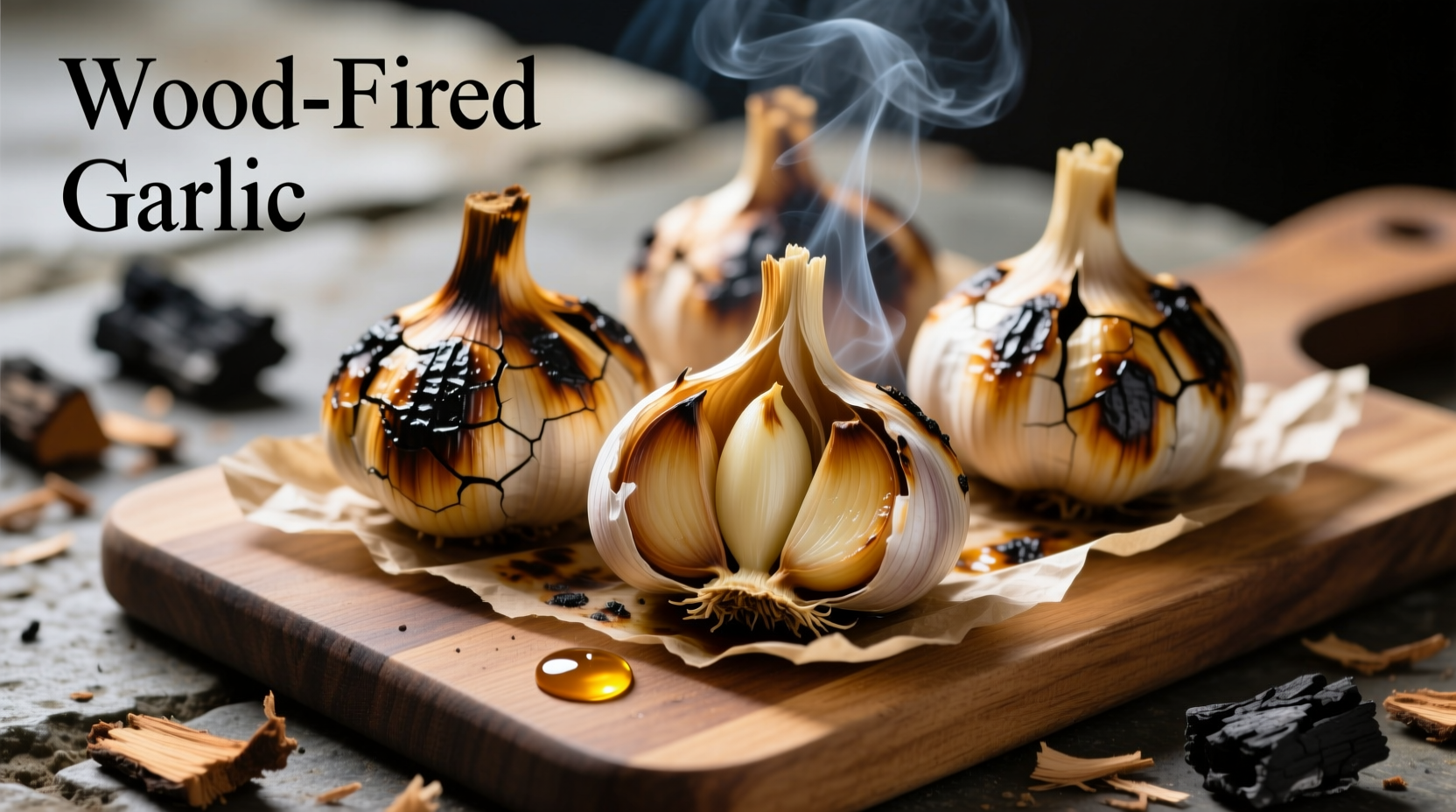
- Carefully trimming the top ¼ inch to expose cloves
- Drizzling with high-quality olive oil and sea salt
- Wrapping loosely in parchment paper (never aluminum foil for authentic results)
- Placing in the residual heat of a wood-fired oven (300°F / 150°C) for 45-60 minutes
- Allowing to cool completely before handling
The choice of wood significantly impacts flavor development. Hardwoods like oak or fruit woods (apple, cherry) provide subtle smoke notes without overpowering the delicate garlic flavors. According to culinary research from the Culinary Institute of America, the ideal smoke density for garlic preparation registers between 0.5-1.0 on the Hunter Scale, ensuring flavor enhancement without bitterness.
Home Adaptation Guide
While a professional wood-fired oven creates the most authentic results, home cooks can achieve remarkably similar outcomes with these adaptations:
Grill Method (Closest to Authentic)
When recreating "Kinders style" woodfired garlic at home, the grill method provides the most authentic smoke infusion:
- Prepare indirect heat on a charcoal or gas grill (275-300°F / 135-150°C)
- Add wood chips (soaked for 30 minutes) directly to heat source
- Place garlic heads on cooler side of grill
- Cook for 45-60 minutes until cloves are golden and tender
- Test for doneness by gently squeezing - cloves should yield easily
Important Context Boundaries
Understanding when woodfired garlic works best in culinary applications prevents common mistakes:
- Best applications: Spread on crusty bread, blended into mashed potatoes, mixed with roasted vegetables, as pizza topping
- Limited effectiveness: In raw applications where garlic's sharpness is desired (vinaigrettes, salsas)
- Storage limitations: Refrigerated for up to 10 days; freezing alters texture significantly
- Flavor pairing considerations: Complements rich meats but can overwhelm delicate seafood
Culinary Applications and Pairing Suggestions
Woodfired garlic's transformed flavor profile opens creative culinary possibilities beyond traditional uses. The mellow sweetness works particularly well in applications where raw garlic would be overpowering:
- Breakfast enhancement: Mix with softened butter for artisan toast
- Pasta integration: Blend into olive oil base before adding cheese for carbonara
- Meat accompaniment: Stuff under poultry skin before roasting
- Soup enrichment: Puree into potato or tomato soup for depth without sharpness
Food science research from UC Davis confirms that the allicin-to-sulfur-compound transformation during slow roasting creates more stable flavor molecules that persist through cooking, unlike raw garlic which can lose its impact during prolonged heating. This makes woodfired garlic particularly valuable in dishes requiring extended cooking times.
Common Mistakes to Avoid
Even experienced home cooks encounter pitfalls when attempting woodfired-style garlic preparation:
- Over-roasting: Garlic turns bitter when cooked beyond 325°F (163°C) - use a thermometer
- Excessive smoke: Too much smoke creates acrid flavors - maintain light smoke density
- Improper storage: Refrigeration in oil creates botulism risk - always store in parchment
- Using old garlic: Sprouting or soft garlic yields inferior results - select firm, fresh heads
Professional chefs emphasize that the "Kinders woodfired garlic" preparation method succeeds because it respects garlic's natural chemistry rather than fighting it. The slow transformation allows flavors to develop harmoniously, creating a versatile ingredient that elevates dishes without dominating them.




 浙公网安备
33010002000092号
浙公网安备
33010002000092号 浙B2-20120091-4