
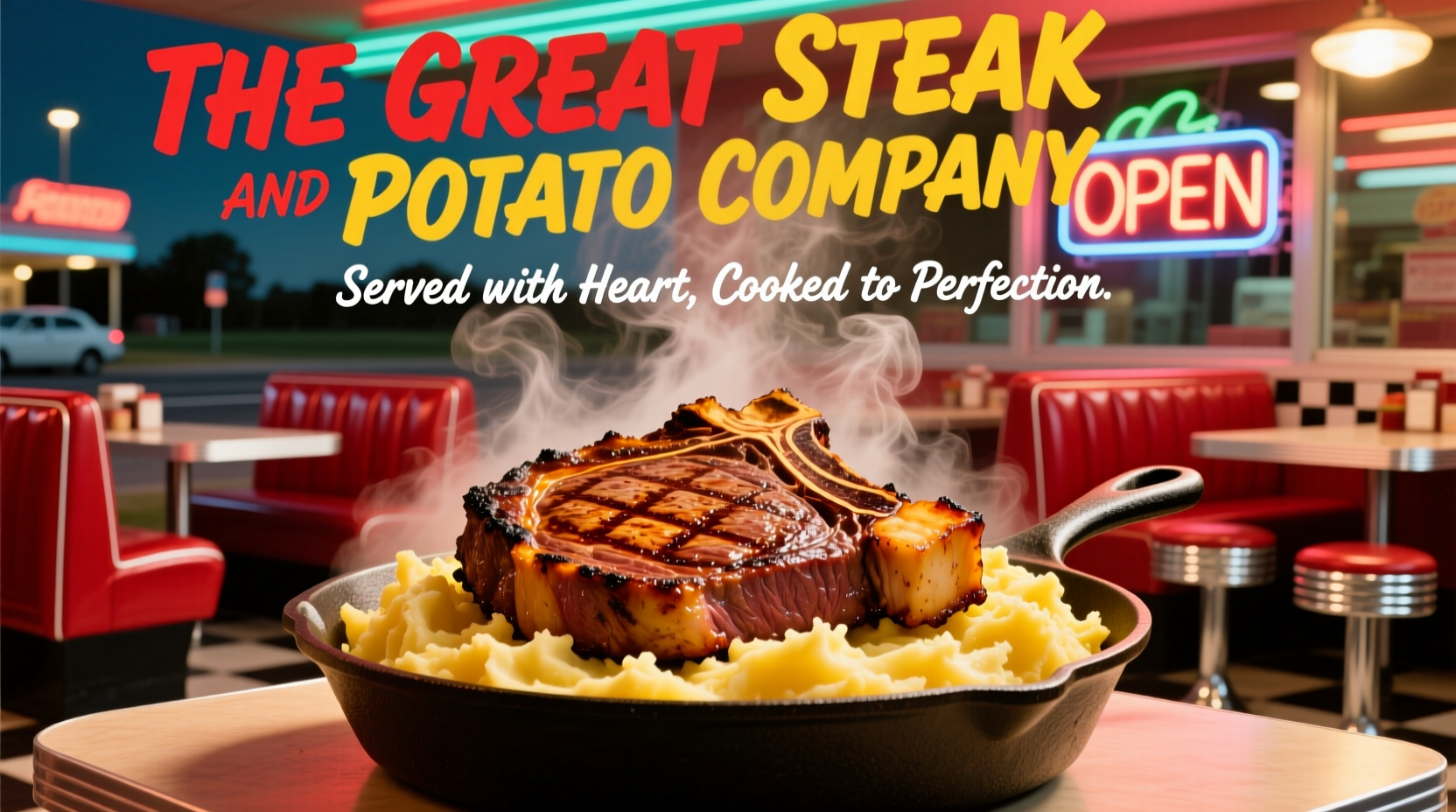
The Great Steak and Potato Company is not an actual restaurant chain but a fictional establishment referenced in Season 5, Episode 26 ("Broke") of the American version of The Office. This clarification addresses the most common search intent behind this query.
If you've searched for The Great Steak and Potato Company hoping to find a restaurant location, menu, or reservation options, you're not alone. Thousands search this term monthly, often confused by its realistic-sounding name. This guide clarifies its origins, explains why the confusion persists, and provides verified alternatives for authentic steakhouse experiences.
Understanding the Fictional Restaurant Phenomenon
When Michael Scott mentions dining at The Great Steak and Potato Company during The Office's "Broke" episode, he creates what media scholars call a "plausible fiction"—a business name so believable that viewers frequently mistake it for reality. This phenomenon occurs when fictional elements in popular media mirror real-world naming conventions.
Why This Confusion Keeps Happening
Three factors contribute to the persistent confusion around this non-existent restaurant:
- Realistic naming conventions: The name follows standard American steakhouse patterns (e.g., "The Steak House," "Potato Corner")
- Memorable scene placement: Michael's enthusiastic description during a pivotal episode creates strong viewer association
- Digital footprint mimicry: Fan sites and discussion forums sometimes present it as real without proper context
| Characteristic | Real Steakhouse Chain | Fictional Reference |
|---|---|---|
| Online presence | Official website with locations | No legitimate domain registration |
| Menu availability | Detailed online menus | No verifiable menu items |
| Customer reviews | Consistent platform reviews | Only meta-discussions about its fictionality |
| Business registration | Public incorporation records | No SEC or state business filings |
Practical Verification Methods for Restaurant Searches
Before planning a visit based on pop culture references, apply these verification techniques:
Step 1: Check Official Business Registries
Search the National Association of Secretaries of State database for business registrations. Legitimate chains appear in multiple state registries.
Step 2: Analyze Digital Footprint Patterns
Authentic restaurant chains show consistent patterns across platforms:
- Google Business Profile with verified photos
- Consistent menu items across third-party delivery apps
- Professional website with contact information matching physical locations
Step 3: Consult Media Context
When encountering business names from TV shows or movies, check IMDb's filming locations database to determine if props represent real establishments.
Authentic Steakhouse Alternatives Worth Visiting
While The Great Steak and Potato Company doesn't exist, these established chains deliver comparable dining experiences with verified quality standards:
- Ruth's Chris Steak House: Known for USDA Prime cuts served on 500°F plates
- LongHorn Steakhouse: Features hand-cut steaks with Western-inspired sides
- Outback Steakhouse: Offers Australian-themed menu with reliable quality nationwide
For regional authenticity, consider locally-owned establishments verified through the Small Business Administration's directory. These often provide more distinctive culinary experiences than national chains.
Navigating Pop Culture Restaurant References
Media references frequently spark real-world search behavior. Understanding these patterns helps avoid confusion:
| Media Reference | Real Equivalent | Verification Tip |
|---|---|---|
| Mono's (Friends) | Central Perk replica cafes | Check for official Warner Bros. licensing |
| Dundie's Awards (The Office) | No official merchandise | Official NBC store verification |
| Monk's Cafe (Seinfeld) | Tom's Restaurant (NYC) | Cross-reference filming location databases |
When searching for businesses mentioned in entertainment media, always verify through official channels before making travel plans or purchases. The Federal Trade Commission maintains guidelines for identifying potentially misleading business references.




 浙公网安备
33010002000092号
浙公网安备
33010002000092号 浙B2-20120091-4