

Discover why Jet Star tomatoes consistently rank among the top choices for home gardeners seeking reliable production and exceptional flavor. This comprehensive guide delivers actionable growing strategies backed by agricultural research, helping you maximize your harvest regardless of climate or experience level.
What Makes Jet Star Tomatoes Stand Out
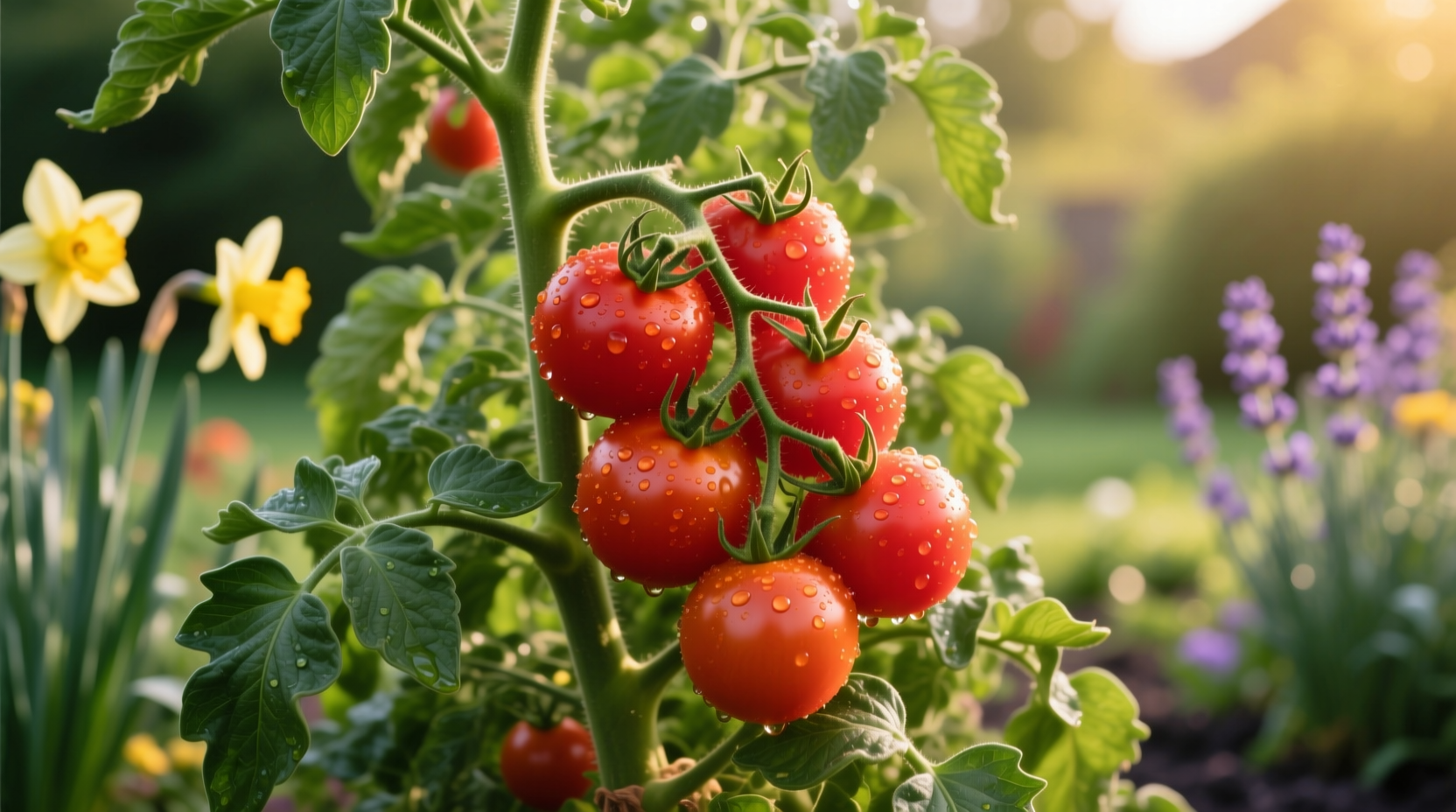
Jet Star tomatoes (Solanum lycopersicum 'Jet Star') represent a breakthrough in determinate tomato breeding. Unlike sprawling indeterminate varieties, Jet Star plants reach a compact 3-4 feet height while delivering continuous harvests throughout the season. The medium-sized fruits (7-10 ounces) feature deep red coloring, smooth skin, and a firm flesh structure that resists cracking—making them perfect for slicing, canning, and fresh eating.
Developed by agricultural researchers at the University of California in the 1960s, Jet Star was specifically engineered to address common tomato growing challenges. Its development timeline reflects key advancements in disease-resistant breeding:
| Year | Milestone |
|---|---|
| 1963 | Initial crossbreeding between disease-resistant parent lines |
| 1965 | Field trials demonstrating superior fusarium resistance |
| 1967 | Commercial release by seed companies nationwide |
| 1972 | Awarded All-America Selections honor for garden performance |
Practical Advantages for Modern Gardeners
Jet Star's enduring popularity stems from three critical advantages that solve common gardening pain points:
1. Unmatched Disease Resistance Profile
Jet Star tomatoes carry resistance to both fusarium wilt (races 1 & 2) and verticillium wilt—two soil-borne diseases that devastate susceptible varieties. University of Massachusetts Extension research confirms Jet Star maintains 75-85% yield reduction prevention in infected soils compared to non-resistant varieties (ag.umass.edu).
2. Climate Adaptability
Unlike many tomato varieties requiring long, hot summers, Jet Star performs exceptionally well in cooler regions with shorter growing seasons. Its early maturity (65-70 days from transplant) allows northern gardeners to harvest before first frost. The University of Minnesota Extension notes Jet Star consistently outperforms other varieties in zones 3-5 (extension.umn.edu).
3. Space-Efficient Growth Habit
As a determinate variety, Jet Star grows in a bush form that requires minimal staking—ideal for container gardening or small-space production. This makes it perfect for urban gardeners using 5-gallon buckets or raised beds where space is limited.
Step-by-Step Growing Guide
Follow this proven sequence for maximum Jet Star production:
Starting Seeds Indoors
Begin 6-8 weeks before your last expected frost date. Plant seeds ¼ inch deep in sterile seed mix, maintaining soil temperature at 75-80°F. Seedlings typically emerge in 5-10 days. Provide 14-16 hours of grow light daily to prevent legginess.
Transplanting to Garden
Wait until nighttime temperatures consistently exceed 55°F. Bury seedlings deep—up to the first set of true leaves—to encourage additional root growth. Space plants 24-36 inches apart in rows 3-4 feet apart. Add 1 tablespoon of balanced organic fertilizer per planting hole.
Watering Strategy
Maintain consistent moisture (1-1.5 inches per week). Use drip irrigation or water at soil level to prevent fungal diseases. Mulch with straw or shredded leaves to maintain even soil moisture and temperature.
Fertilization Schedule
Apply balanced fertilizer (10-10-10) when first flowers appear, then every 3 weeks. Reduce nitrogen after fruit set to prevent excessive foliage growth at the expense of fruit production.
Jet Star vs. Popular Alternatives
Understanding how Jet Star compares to other common varieties helps you make informed planting decisions:
| Variety | Maturity | Disease Resistance | Best For |
|---|---|---|---|
| Jet Star | 65-70 days | Fusarium, Verticillium | Cooler climates, containers |
| Celebrity | 70 days | Fusarium, Verticillium, Nematodes | Hotter regions, disease-prone soils |
| Early Girl | 50-54 days | Limited | Very short seasons |
| Better Boy | 72 days | Fusarium, Verticillium, Nematodes | High-yield production |
When Jet Star Excels (and When to Choose Alternatives)
Jet Star performs exceptionally well in these specific scenarios:
- Cooler northern climates (zones 3-6) where longer-season varieties struggle
- Container gardening due to its compact growth habit
- Soil with known disease issues thanks to its resistance profile
- Beginner gardeners seeking reliable results with minimal maintenance
Consider alternatives when:
- You need heirloom flavor complexity (try Brandywine instead)
- Growing in extremely hot climates (Better Boy handles heat better)
- Seeking cherry tomatoes for continuous snacking (try Sweet Million)
Troubleshooting Common Issues
Address these frequent Jet Star challenges:
Blossom End Rot
Caused by calcium deficiency or inconsistent watering. Maintain even soil moisture and apply calcium spray at first flowering. Mulching helps regulate soil moisture.
Cracking Fruits
Prevent by avoiding dramatic moisture fluctuations. Water consistently and harvest tomatoes slightly underripe during heavy rain periods.
Early Blight
Remove affected leaves immediately and apply copper fungicide. Prevent by watering at soil level and ensuring good air circulation between plants.
Harvesting and Enjoying Your Jet Star Tomatoes
Harvest when fruits show full color development but remain slightly firm. Jet Star tomatoes continue ripening after picking, but flavor peaks when vine-ripened. For best flavor, store at room temperature away from direct sunlight—never refrigerate.
Jet Star's balanced acidity and firm texture make them ideal for:
- Slicing for sandwiches and burgers
- Canning whole or in sauces
- Roasting for concentrated flavor
- Creating vibrant tomato salads
Frequently Asked Questions
How tall do Jet Star tomato plants grow?
Jet Star tomato plants typically reach 3-4 feet in height as determinate varieties. Their compact growth habit requires minimal staking compared to indeterminate varieties, making them ideal for container gardening and small spaces.
Are Jet Star tomatoes good for canning?
Yes, Jet Star tomatoes excel for canning due to their firm flesh, lower water content, and balanced acidity. Their smooth skin slips off easily after blanching, making them perfect for whole canned tomatoes or sauce production.
How long until Jet Star tomatoes produce fruit?
Jet Star tomatoes typically produce ripe fruit 65-70 days after transplanting. This early maturity makes them one of the first main-season tomatoes ready for harvest, especially valuable in regions with shorter growing seasons.
Do Jet Star tomatoes need cages or support?
While Jet Star's determinate growth habit requires less support than vining varieties, using a single sturdy stake or small cage prevents branches from breaking under fruit weight. Tomato cages 36-48 inches tall provide adequate support without restricting air circulation.
What makes Jet Star tomatoes different from Celebrity tomatoes?
Jet Star matures earlier (65-70 days vs 70 days) and performs better in cooler climates, while Celebrity offers additional nematode resistance and slightly larger fruit. Jet Star has a more compact growth habit, making it better for containers, while Celebrity produces heavier yields in optimal conditions.




 浙公网安备
33010002000092号
浙公网安备
33010002000092号 浙B2-20120091-4