
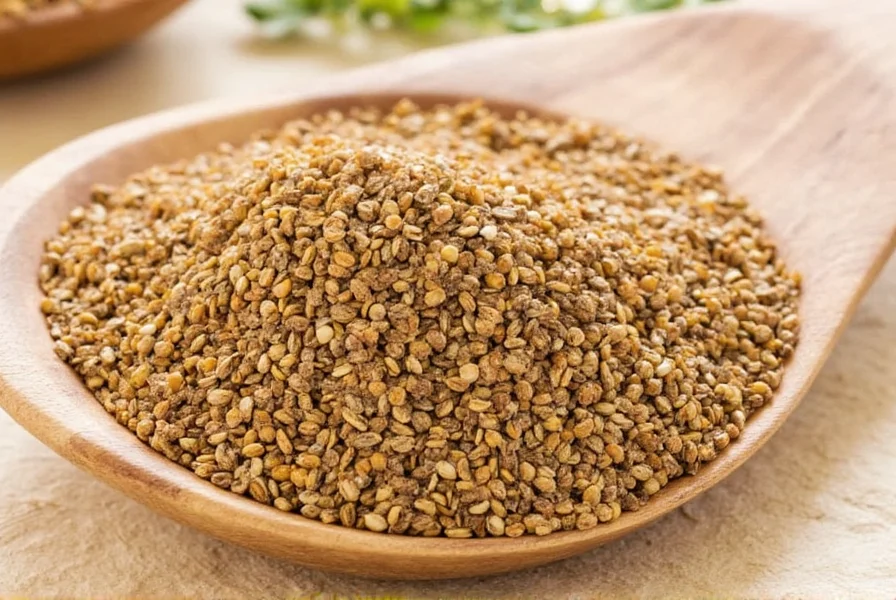
When searching for information about jeera is cumin, many home cooks and culinary enthusiasts seek clarification on whether these are separate spices or simply different names for the same ingredient. This confusion stems from regional terminology differences in global spice usage.
Understanding the Terminology
The term jeera originates from Sanskrit jīraga and has been adopted into Hindi, Urdu, and other South Asian languages. In India, Pakistan, Bangladesh, and neighboring countries, jeera refers specifically to cumin seeds in both whole and ground forms. The English word "cumin" comes from the Latin cuminum, which itself derives from the Greek kyminon.
Despite the different names, jeera and cumin represent identical botanical specimens - Cuminum cyminum, a flowering plant in the Apiaceae family. The seeds harvested from this plant are what we call either jeera or cumin depending on regional context.
Regional Usage Patterns
The distinction between these terms primarily reflects geographical and cultural usage:
| Term Used | Region | Context |
|---|---|---|
| Jeera | Indian subcontinent | Everyday cooking terminology |
| Cumin | Western countries | Cookbooks, grocery stores, scientific contexts |
| Zira | Middle East, Central Asia | Regional culinary terminology |
When following recipes from different culinary traditions, understanding that jeera is cumin prevents unnecessary confusion. An Indian recipe calling for "1 teaspoon jeera" requires the exact same ingredient as a Mediterranean recipe specifying "1 teaspoon cumin."
Botanical and Culinary Characteristics
Cuminum cyminum seeds have distinctive features regardless of what they're called:
- Small, oblong seeds with longitudinal ridges
- Warm, earthy aroma with citrus notes when toasted
- Light to medium brown color in whole form
- Earthy, slightly bitter flavor profile that becomes nuttier when toasted
The confusion sometimes arises because some languages use similar terms for different spices. For example, in some contexts "jeera" might be confused with:
- Shahi jeera (Bunium persicum) - also called black cumin or royal cumin, which is a different spice entirely
- Kalonji (Nigella sativa) - sometimes mistakenly called black jeera
Practical Cooking Guidance
When working with this essential spice, consider these practical tips:
- Whole vs. ground: Whole jeera/cumin retains flavor longer; grind just before use for maximum potency
- Tempering technique: In Indian cooking, jeera is often tempered in hot oil at the beginning of cooking to release flavors
- Storage: Keep in an airtight container away from light; whole seeds last 3-4 months, ground form 1-2 months
- Substitutions: While no perfect substitute exists, caraway seeds offer a somewhat similar flavor profile (though stronger)
Understanding that jeera is cumin helps bridge culinary traditions and prevents recipe errors. Whether you're following an authentic Indian curry recipe or a Mexican chili preparation, you're working with the same fundamental spice - just known by different names in different culinary contexts.
Frequently Asked Questions
Is jeera the same as cumin powder?
Yes, jeera powder is simply ground cumin seeds. Whole jeera seeds become cumin powder when ground, with the same flavor profile but more immediate impact in dishes.
Why do Indian recipes use jeera instead of cumin?
Indian recipes use the term jeera because it's the common Hindi/Urdu word for cumin in South Asian culinary tradition. It's not a different spice - just the regional name for cumin used in Indian cooking contexts.
Can I substitute cumin for jeera in recipes?
Yes, you can directly substitute cumin for jeera in any recipe since they are identical. Use the same measurement whether the recipe calls for "jeera" or "cumin" as they refer to the exact same spice.
Is black jeera the same as regular jeera?
No, black jeera (shahi jeera) is a different spice from regular jeera/cumin. Black jeera refers to Bunium persicum, which has thinner, darker seeds and a more delicate flavor compared to regular cumin (Cuminum cyminum).
Does jeera have different health benefits than cumin?
No, jeera and cumin have identical nutritional and health properties since they are the same spice. Any health benefits attributed to cumin equally apply to jeera, as they come from the same botanical source (Cuminum cyminum).




 浙公网安备
33010002000092号
浙公网安备
33010002000092号 浙B2-20120091-4