
Turmeric (Curcuma longa), a vibrant yellow-orange spice native to Southeast Asia, has been used for thousands of years across various cultures. While commonly recognized as the key ingredient giving curry its distinctive color, turmeric's applications extend far beyond the kitchen. Understanding what turmeric is used for requires examining both traditional wisdom and modern scientific research.
Historical and Cultural Significance
Originating in India over 4,000 years ago, turmeric held sacred status in Ayurvedic medicine and Hindu traditions. Ancient practitioners utilized turmeric for wound healing, digestive support, and skin conditions. Traditional Chinese medicine incorporated it for "moving blood" and reducing stagnation. These historical applications laid the foundation for contemporary research into turmeric's therapeutic potential.
Primary Uses of Turmeric Today
Modern applications of turmeric fall into three main categories:
| Category | Primary Uses | Scientific Support Level |
|---|---|---|
| Culinary | Flavoring agent, natural food coloring, preservative | Well-established |
| Traditional Medicine | Digestive aid, wound treatment, anti-inflammatory | Moderate historical evidence |
| Modern Supplements | Joint health, cognitive support, antioxidant protection | Emerging clinical evidence |
Scientifically Supported Health Benefits
Research has increasingly validated many traditional uses of turmeric, particularly regarding its active compound curcumin:
Anti-Inflammatory Properties
Chronic inflammation contributes to numerous health conditions. Multiple studies, including a 2017 review published in Food Science & Nutrition, confirm that curcumin demonstrates potent anti-inflammatory effects comparable to some pharmaceutical agents, but without significant side effects. This makes turmeric for inflammation a promising natural approach for managing conditions like osteoarthritis.
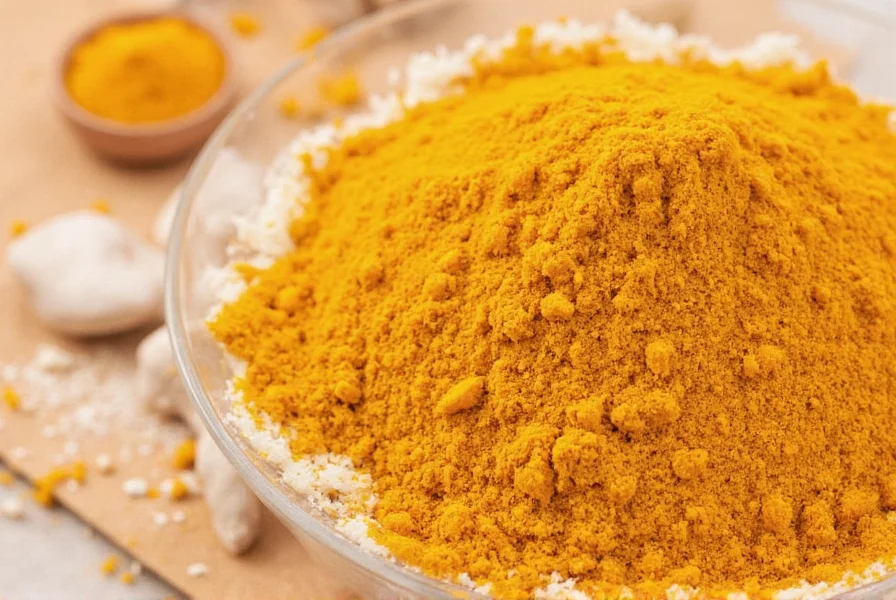
Antioxidant Capacity
Turmeric serves as a powerful antioxidant that neutralizes free radicals while stimulating the body's own antioxidant enzymes. Research in the Journal of Medicinal Food indicates these properties may help protect against oxidative stress-related conditions. When considering what is turmeric used for in preventive health, its antioxidant profile represents one of its most valuable attributes.
Cognitive Function Support
Emerging evidence suggests turmeric benefits brain health by increasing brain-derived neurotrophic factor (BDNF), a growth hormone that functions in the brain. A 2018 study in the American Journal of Geriatric Psychiatry found that curcumin supplementation improved memory and attention in non-demented adults, highlighting turmeric for brain health as a growing area of research.
Effective Consumption Methods
Understanding how turmeric works reveals why consumption method matters significantly:
Bioavailability Enhancement
Curcumin has notoriously poor bioavailability when consumed alone. Research shows combining turmeric with black pepper (containing piperine) increases absorption by up to 2,000%. This explains why traditional curry preparations often include both spices. When exploring what is turmeric used for therapeutically, proper preparation becomes essential.
Optimal Forms and Dosages
For general wellness, culinary use provides modest benefits. Those seeking therapeutic effects should consider:
- Standardized curcumin supplements (typically 500-1,500mg daily)
- Liposomal or nanoparticle formulations for enhanced absorption
- Golden milk (turmeric tea with black pepper and healthy fats)
Safety Considerations and Limitations
While generally safe, turmeric serves specific populations differently:
Potential Side Effects
High doses may cause gastrointestinal discomfort in sensitive individuals. The European Food Safety Authority considers 0.1-3mg of curcumin per kilogram of body weight daily as safe for most adults. Understanding turmeric side effects helps users make informed decisions about its consumption.
Medication Interactions
Turmeric may interact with blood thinners, diabetes medications, and certain chemotherapy drugs. Anyone taking prescription medications should consult healthcare providers before using turmeric supplements. This precaution represents an important aspect of what turmeric is used for in modern integrative medicine approaches.
Realistic Expectations
Despite promising research, turmeric isn't a miracle cure. Its benefits develop gradually with consistent use. Those searching for what is turmeric used for should understand it works best as part of a comprehensive health strategy rather than a standalone solution.
Practical Applications in Daily Life
Incorporating turmeric effectively requires understanding its various applications:
- Culinary use: Add to soups, stews, rice dishes, and vegetable preparations
- Golden milk: Combine with warm milk (dairy or plant-based), black pepper, and healthy fats
- Topical applications: Mix with coconut oil for skin inflammation
- Supplementation: Choose formulations with enhanced bioavailability for therapeutic purposes
Conclusion
Turmeric serves as a remarkable example of traditional wisdom meeting modern science. Its transition from ancient Ayurvedic remedy to evidence-supported supplement demonstrates how historical knowledge can inform contemporary health practices. When properly understood and utilized—particularly with attention to bioavailability enhancement through black pepper—turmeric offers valuable support for inflammation management, antioxidant protection, and overall wellness. Those exploring what is turmeric used for will find it represents not a cure-all, but a meaningful component of a holistic health approach supported by growing scientific evidence.
Frequently Asked Questions
What is the most effective way to consume turmeric for health benefits?
The most effective consumption method combines turmeric with black pepper (for piperine) and a healthy fat source. This combination increases curcumin absorption by up to 2,000%. For therapeutic benefits, look for supplements containing 500-1,500mg of standardized curcumin with piperine, or prepare golden milk using full-fat coconut milk and freshly ground black pepper.
How long does it take to experience turmeric's benefits?
Most people notice subtle effects within 2-4 weeks of consistent daily use, though significant anti-inflammatory benefits may take 4-8 weeks. Research studies typically measure outcomes after 8-12 weeks of regular supplementation. Culinary use provides more modest, gradual benefits compared to therapeutic supplementation.
Can turmeric help with joint pain and arthritis?
Multiple clinical studies, including research published in the Journal of Medicinal Food, show turmeric can significantly reduce osteoarthritis pain and improve function. A 2016 review in Phytotherapy Research concluded that curcumin provides comparable pain relief to ibuprofen for knee osteoarthritis, with fewer gastrointestinal side effects. However, it works best as part of a comprehensive joint health strategy.
Does turmeric interact with medications?
Yes, turmeric may interact with blood thinners (like warfarin), diabetes medications, and certain chemotherapy drugs. It can enhance the effects of anticoagulants and potentially lower blood sugar levels. Always consult your healthcare provider before combining turmeric supplements with prescription medications, especially if you have underlying health conditions.
Is turmeric safe for daily consumption?
Culinary amounts of turmeric (up to 1 teaspoon daily) are generally safe for most people. For therapeutic supplementation, studies show doses up to 8 grams daily are safe for short-term use, though 500-1,500mg of standardized curcumin is typical for ongoing use. Some people may experience mild digestive upset at higher doses. Those with gallbladder issues or bleeding disorders should exercise caution.




 浙公网安备
33010002000092号
浙公网安备
33010002000092号 浙B2-20120091-4