
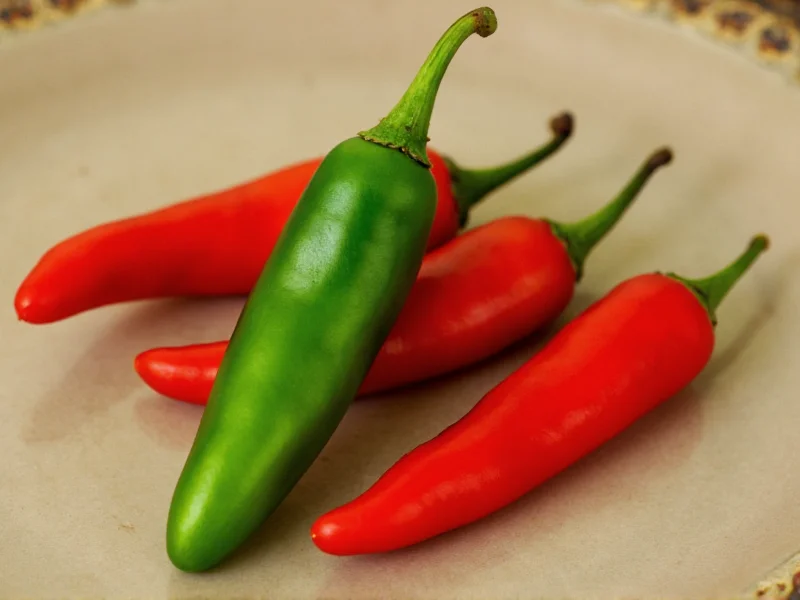
The Scoville scale, developed by pharmacist Wilbur Scoville in 1912, measures the pungency or 'heat' of chili peppers and other spicy foods. This measurement quantifies the concentration of capsaicinoids—the chemical compounds responsible for the burning sensation we perceive as spiciness. Understanding where jalapeños fall on this scale helps cooks, food enthusiasts, and even casual consumers make informed decisions about their spice preferences and culinary applications.
Historical Development and Modern Measurement
The Scoville Organoleptic Test, developed in 1912, originally relied on human taste panels to determine heat levels. Panelists would dilute pepper extracts in sugar water until the heat was no longer detectable, with the dilution factor corresponding to Scoville Heat Units. However, this method proved highly subjective and inconsistent due to variations in human taste sensitivity.
Modern measurement has shifted to high-performance liquid chromatography (HPLC), an objective laboratory technique that precisely quantifies capsaicinoid concentrations. According to the Chile Pepper Institute at New Mexico State University, HPLC measures the exact parts per million of capsaicinoids, which are then converted to Scoville Heat Units using a standard formula (1 part capsaicin per million ≈ 15 SHU). This transition, completed in the late 20th century, eliminated human subjectivity and provided more reliable, reproducible results for both research and commercial applications.
Contextual Limitations of Heat Measurement
While the Scoville scale provides a useful framework, several important limitations affect its real-world application:
- Natural Variation: As documented in New Mexico State University Extension Guide H-234, individual peppers from the same plant can exhibit significant variation in capsaicin content due to micro-environmental factors, meaning any single SHU value represents only a probabilistic range.
- Measurement Methodology: HPLC gives precise chemical measurements, but the conversion to SHU remains an industry convention rather than a direct physiological measure. The perceived heat by consumers also depends on other compounds beyond capsaicin (like dihydrocapsaicin) and individual tolerance.
- Application Boundaries: The scale works best for comparative analysis between peppers under controlled conditions. In culinary contexts, factors like fat content in dishes (which binds capsaicin) or consumption of dairy can dramatically alter perceived heat, making absolute SHU values less predictive of actual eating experience.
Understanding Jalapeño Pepper Heat Range
Jalapeños occupy a distinctive position in the pepper hierarchy with their 2,500-8,000 SHU rating. This range means that even within the same variety, individual jalapeños can show considerable variation in heat intensity. For context, a bell pepper registers 0 SHU while the Carolina Reaper can exceed 2,000,000 SHU.
Several factors contribute to this variability in jalapeño pepper scoville heat units:
- Stress conditions: Peppers grown in less-than-ideal conditions often develop higher capsaicin levels as a defense mechanism
- Ripeness: Red jalapeños (fully ripe) typically measure hotter than green ones
- Seeds and membranes: The white pith and seeds contain most of the capsaicin
- Geographic origin: Soil composition and climate affect heat development
Comparing Jalapeños to Other Popular Peppers
Understanding jalapeño scoville scale comparison with other peppers provides valuable context for cooking and consumption:
| Pepper Variety | Scoville Heat Units | Relative Heat Level |
|---|---|---|
| Bell Pepper | 0 SHU | Mild |
| Jalapeño | 2,500-8,000 SHU | Mild-Medium |
| Serrano | 10,000-23,000 SHU | Medium-Hot |
| Cayenne | 30,000-50,000 SHU | Hot |
| Habanero | 100,000-350,000 SHU | Very Hot |
This jalapeño pepper vs other peppers heat comparison shows why jalapeños serve as an excellent entry point for those exploring spicier foods. Their manageable heat level allows for culinary experimentation without overwhelming most palates.
Factors Affecting Jalapeño Heat Level
Understanding factors affecting jalapeño heat level helps explain why two jalapeños from the same plant might deliver dramatically different experiences:
Water stress significantly impacts capsaicin production. When jalapeño plants experience drought conditions, they often produce hotter peppers as a survival mechanism. Similarly, soil composition plays a role—peppers grown in nutrient-rich soil tend to be milder than those in leaner conditions.
The maturity stage directly influences heat perception. Green jalapeños (technically unripe) generally measure at the lower end of the Scoville range, while red jalapeños (fully ripe) often reach the higher end. This ripening process also develops more complex flavor notes beyond just heat.
Interestingly, the growing region creates noticeable differences. Jalapeños cultivated in traditional growing areas like Mexico often exhibit more consistent heat levels compared to those grown in non-traditional regions where climate and soil conditions differ.
Culinary Applications Based on Heat Level
The moderate heat of jalapeños makes them incredibly versatile in the kitchen. Chefs and home cooks can leverage jalapeño pepper heat range explained knowledge to optimize their use:
- For milder applications: Remove seeds and white membranes before use
- For maximum heat: Include seeds and membranes, or use red jalapeños
- Preservation effects: Pickling jalapeños slightly reduces perceived heat while adding tangy complexity
- Cooking techniques: Roasting jalapeños mellows their heat while enhancing smoky flavors
When substituting jalapeños in recipes, consider that serranos run 2-3 times hotter while poblanos offer about half the heat. This knowledge prevents unpleasant surprises when how hot are jalapeño peppers becomes a critical factor in recipe execution.
Safety Considerations with Jalapeños
Despite their moderate rating on the Scoville scale, jalapeños require proper handling. Capsaicin oils can cause significant skin and eye irritation. Always wash hands thoroughly after handling, and consider wearing gloves when preparing multiple peppers or if you have sensitive skin.
If you experience burning sensations, remember that capsaicin is oil-based and not water-soluble. Dairy products like milk or yogurt provide the most effective relief, as the casein protein binds to capsaicin and helps wash it away. Avoid rubbing affected areas, as this spreads the oils rather than removing them.
Common Misconceptions About Jalapeño Heat
Several myths persist about why are some jalapeños hotter than others. Contrary to popular belief, the size of a jalapeño doesn't reliably indicate its heat level—smaller peppers aren't necessarily hotter. Similarly, the presence of 'corking' (those white striations on the skin) often signals stress during growth but doesn't guarantee increased heat.
Another misconception involves storage—refrigeration doesn't reduce a jalapeño's heat level. The capsaicin concentration remains stable during proper storage. Freezing actually preserves the heat compounds more effectively than fresh storage over time.




 浙公网安备
33010002000092号
浙公网安备
33010002000092号 浙B2-20120091-4