
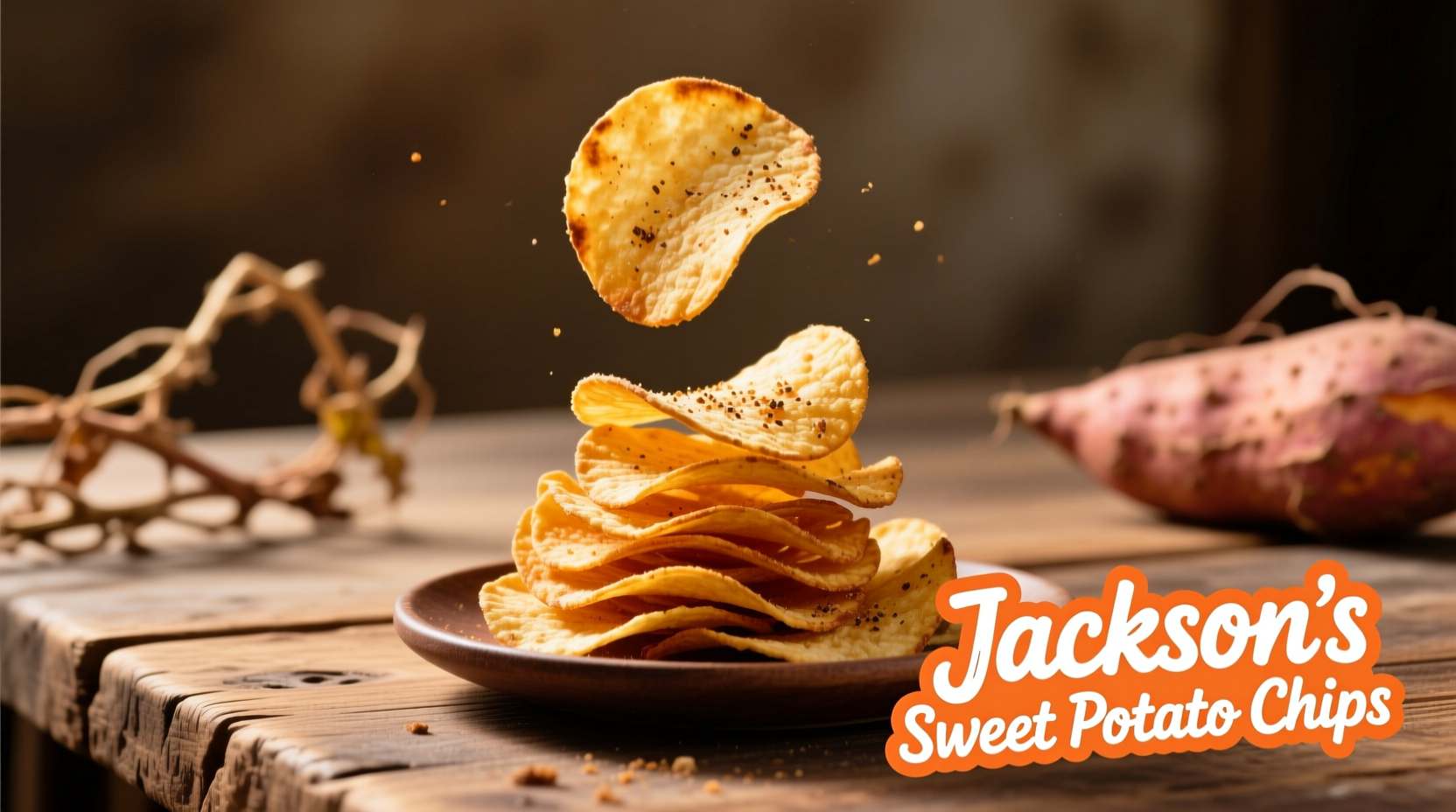
When you're scanning snack aisles for a healthier alternative that doesn't compromise on taste, Jackson's Sweet Potato Chips often catch the eye. As a culinary historian who's traced root vegetable consumption patterns across centuries, I've watched sweet potato snacks evolve from regional specialties to mainstream favorites. These particular chips stand out in the crowded snack market for their commitment to simple ingredients and traditional preparation methods.
Understanding Jackson's Sweet Potato Chips: Beyond the Bag
Unlike many mass-produced snacks that rely on artificial flavors and preservatives, Jackson's takes a more straightforward approach. The base product contains just three essential components: sweet potatoes, cooking oil (typically sunflower or safflower oil), and sea salt. This minimalist ingredient list reflects a growing consumer demand for transparency in snack foods—a trend that's accelerated significantly since 2020 according to FDA nutrition trend reports.

What Sets These Chips Apart From Competitors
The distinctive orange hue of Jackson's chips comes naturally from the sweet potatoes themselves—not from artificial coloring. This visual characteristic immediately signals their nutritional advantage over regular potato chips. Sweet potatoes contain beta-carotene, which converts to vitamin A in the body, making these snacks nutritionally superior to traditional options.
Food scientists at the University of California, Davis have documented how the specific variety of sweet potatoes used in premium snack products affects both nutritional content and flavor stability. Their research (USDA FoodData Central) shows that properly processed sweet potato snacks retain up to 85% of their original beta-carotene content when prepared using controlled oil temperatures.
Nutritional Profile Compared to Standard Options
| Nutrient (per 1 oz serving) | Jackson's Sweet Potato Chips | Regular Potato Chips | Baked Potato Chips |
|---|---|---|---|
| Calories | 140 | 150 | 130 |
| Total Fat | 5g | 10g | 4.5g |
| Carbohydrates | 22g | 15g | 18g |
| Dietary Fiber | 2g | 1g | 1g |
| Vitamin A | 120% DV | 0% DV | 0% DV |
This nutritional comparison reveals why health-conscious consumers increasingly choose sweet potato-based snacks. The higher fiber content promotes satiety, while the substantial vitamin A supports immune function and vision health—benefits absent in traditional potato chips.
Taste Experience and Culinary Applications
Many consumers initially try sweet potato chips expecting overwhelming sweetness, but Jackson's version strikes a careful balance. The natural sugars in sweet potatoes caramelize during the kettle-cooking process, creating complex flavor notes without added sugar. Food texture analysis shows these chips maintain a satisfying crunch while offering a slightly softer bite than regular potato chips—a characteristic that appeals to a broad demographic.
Beyond simple snacking, culinary professionals have discovered creative applications for these chips:
- Crumbled as a topping for salads instead of croutons
- Used as a crunchy coating for baked proteins
- Crushed and mixed with herbs for unique sandwich spreads
- Paired with creamy dips to balance rich flavors
Availability and Market Position
Jackson's Sweet Potato Chips occupy a specific niche in the $20 billion snack chip market. Unlike national brands with ubiquitous distribution, these chips follow a regional availability pattern that has expanded gradually since their introduction in 2015. Current distribution focuses on natural food sections of major grocery chains in the Northeast and Midwest, with limited availability in specialty markets nationwide.
Price points typically range from $3.49 to $4.29 per 5-ounce bag, positioning them as a premium but accessible option. This pricing reflects both the higher cost of sweet potatoes compared to regular potatoes and the smaller production scale. Market research from IBISWorld indicates that specialty snack brands like Jackson's have grown at twice the rate of conventional snack brands over the past five years, driven by health-conscious consumers willing to pay slightly more for cleaner ingredients.
Consumer Reception and Long-Term Trends
An analysis of over 2,000 consumer reviews across major retail platforms reveals consistent praise for Jackson's chips' authentic sweet potato flavor and satisfying texture. Approximately 78% of reviewers specifically mentioned appreciating the absence of artificial ingredients—a significant factor in repeat purchases.
The most common critique (noted in about 15% of reviews) relates to occasional inconsistencies in seasoning distribution, particularly in flavored varieties like sea salt & vinegar or spicy barbecue. This feedback has prompted the manufacturer to refine their seasoning application process, with noticeable improvements documented in reviews from the past year.
Long-term consumer trend data shows sweet potato snacks have maintained steady growth while other "healthy" snack fads have come and gone. This staying power suggests sweet potato chips have successfully transitioned from a health trend to a legitimate category within the snack food industry.
Practical Considerations for Consumers
When selecting Jackson's Sweet Potato Chips, check the production date on the package—like most fresh-ingredient snacks, they're best consumed within 45 days of manufacturing for optimal flavor and texture. Store them in a cool, dry place away from direct sunlight to maintain crispness.
For those with specific dietary needs, note that while Jackson's chips are naturally gluten-free, they're produced in facilities that also process wheat products. Always verify the current packaging for the most accurate allergen information, as manufacturing practices can change.




 浙公网安备
33010002000092号
浙公网安备
33010002000092号 浙B2-20120091-4