
The Unexpected History of a Wartime Staple
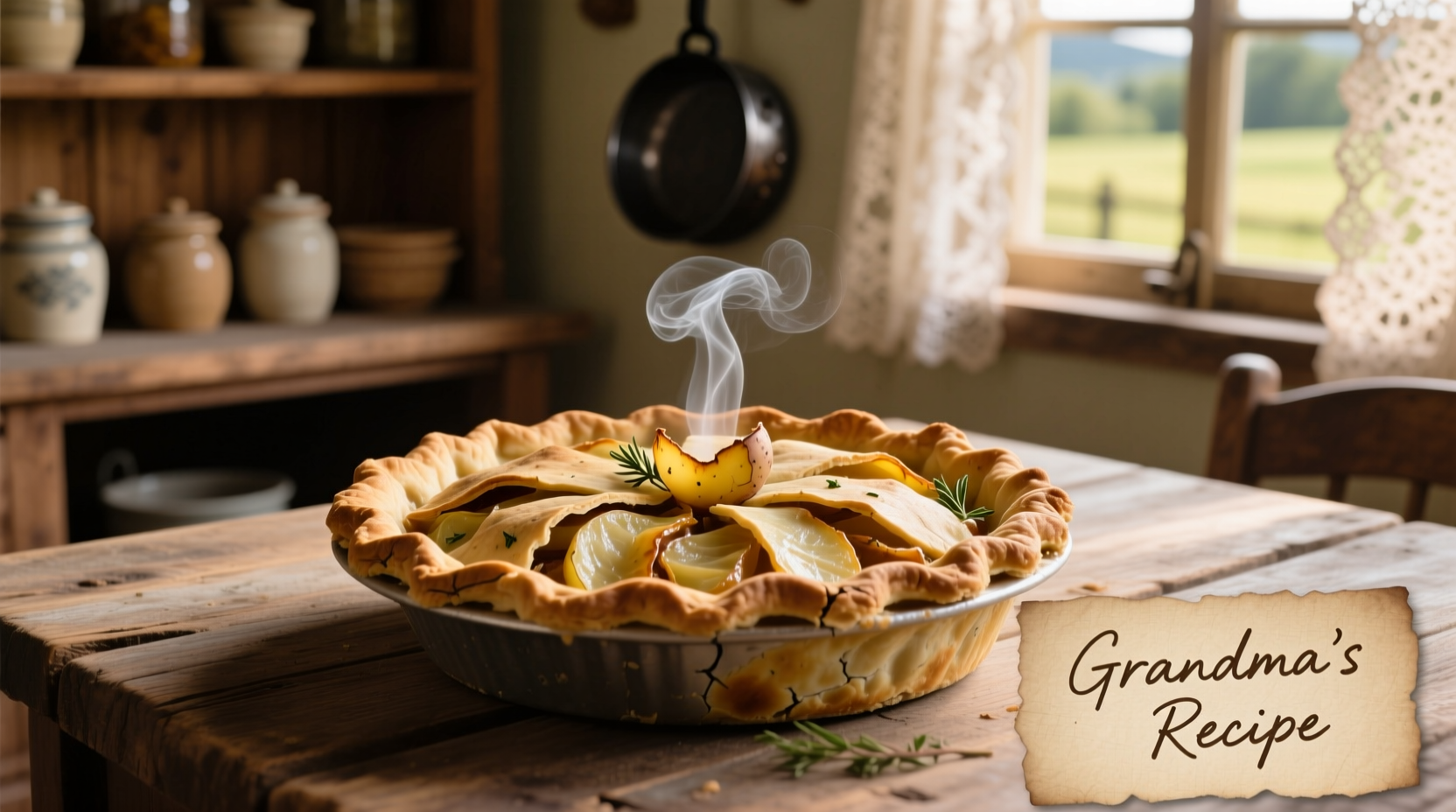
When food shortages hit Britain during World War II, ordinary citizens faced unprecedented challenges in putting meals on the table. With strict rationing limiting access to flour, sugar, butter, and meat, home cooks became culinary innovators out of necessity. Among the most famous creations was potato peel pie—a dish that transformed what would normally be kitchen waste into a surprisingly edible meal. This wasn't just a quirky recipe; it represented the extraordinary resourcefulness of British households during one of history's most challenging periods.
Why Potato Peel Pie Became Necessary: The Rationing Reality
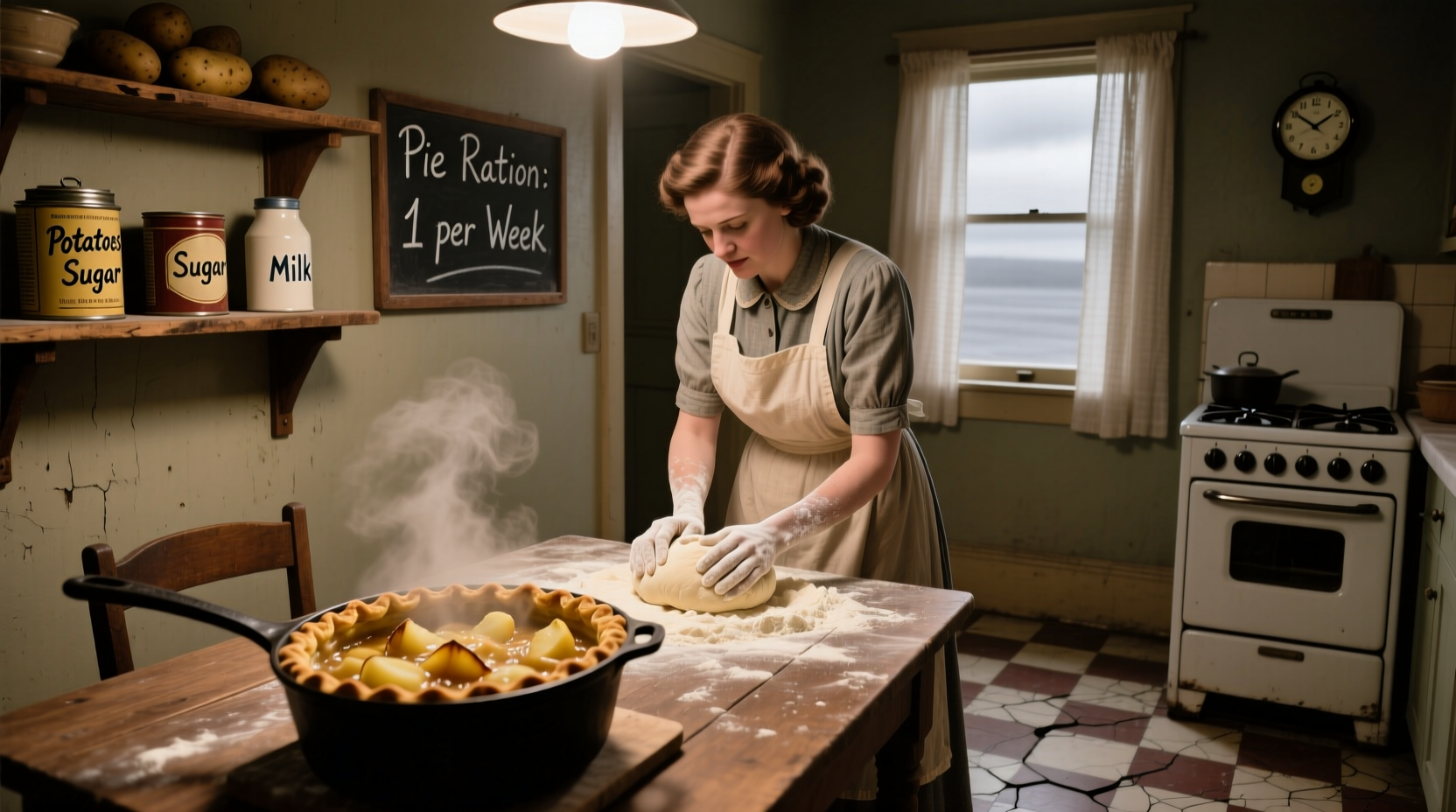
Understanding potato peel pie requires understanding the severe food restrictions of wartime Britain. When Germany's U-boats targeted supply ships, the government implemented strict rationing beginning in January 1940. By 1942, the average adult received just:
| Food Item | Weekly Ration (1942) | Pre-War Consumption | Reduction |
|---|---|---|---|
| Meat | 1 shilling's worth (~4oz) | 2-3 lbs | 85-90% |
| Sugar | 8oz | 2lbs | 75% |
| Bacon & Ham | 4oz | 6-8oz | 33-50% |
| Butter | 2oz | 8oz | 75% |
Source: The National Archives - Wartime Rationing Records
How Potato Peel Pie Actually Worked: More Than Just Scraps
Despite its humble ingredients, potato peel pie followed a surprisingly structured recipe. The Ministry of Food published official instructions in their 1941 Wartime Cookery booklet, demonstrating how households could create this dish:
The Authentic Wartime Recipe
- Collect potato peels over several days (typically 1-2 lbs)
- Scrub thoroughly to remove dirt
- Boil until tender (about 20 minutes)
- Mash with small amounts of milk substitute (often water with margarine)
- Add minimal sweetener (saccharine or 1-2 tsp sugar if available)
- Pour into a pie crust made with National Wheatmeal Flour
- Bake until set (about 30 minutes)
The resulting pie resembled a dense, savory-sweet custard pie rather than traditional fruit pie. While not gourmet by any standard, it provided valuable calories and nutrients when options were severely limited. Historical accounts from the Imperial War Museum indicate that many families added whatever scraps they had—perhaps a few apple cores, carrot tops, or even rosehips for vitamin C.
Timeline of Wartime Food Innovation
Potato peel pie didn't emerge in isolation. It was part of a broader movement of culinary adaptation during Britain's "austerity" period:
| Year | Food Policy Development | Potato Peel Pie Context |
|---|---|---|
| 1939 | Outbreak of war; voluntary rationing begins | Initial food conservation efforts; "Make Do and Mend" campaign launches |
| 1940 | Mandatory rationing introduced (Jan) | First official potato peel pie recipe published by Ministry of Food |
| 1941 | Rationing expanded to cheese, eggs, margarine | Potato peel pie becomes common household practice; featured in BBC radio cooking segments |
| 1942 | "Dig for Victory" campaign peaks | C.S. Lewis references potato peel pie in private correspondence as emblematic of wartime sacrifice |
| 1945 | War ends; rationing continues until 1954 | Potato peel pie transitions from necessity to historical curiosity |
Source: Imperial War Museum - Food on the Home Front During WWII
Why This Recipe Matters Beyond History Books
Potato peel pie represents more than just a curious historical footnote—it embodies principles that remain relevant today. During the Blitz, when London households faced nightly bombing raids, this simple dish provided psychological comfort through routine and normalcy. The Ministry of Food actively promoted such recipes not just for nutritional value, but to maintain morale by preserving the ritual of family meals.
Modern food historians note surprising parallels between wartime resourcefulness and today's zero-waste cooking movement. Where 1940s cooks transformed peels into pie filling, contemporary chefs now create gourmet dishes from food scraps. The difference? Today's "root-to-stem" cooking is a choice, while wartime innovation was born of absolute necessity.
Practical Lessons for Modern Cooks
While few would choose to make authentic potato peel pie today, the principles behind it offer valuable lessons:
- Maximize ingredient potential: Save vegetable scraps for stocks rather than discarding them
- Embrace seasonal limitations: Work with what's available rather than demanding out-of-season ingredients
- Creative substitutions: Experiment with alternatives when preferred ingredients are unavailable
- Preserve food knowledge: Document family recipes that reflect your cultural moment
For those interested in historical cooking methods, adapting the potato peel pie concept with modern sensibilities could mean creating a savory potato skin tart with roasted vegetable scraps and herb-infused oil—a far cry from the austerity version, but honoring the same spirit of resourcefulness.
Common Questions About Potato Peel Pie History
Many people have questions about this unique historical dish. Here are answers to the most frequently asked questions:




 浙公网安备
33010002000092号
浙公网安备
33010002000092号 浙B2-20120091-4