
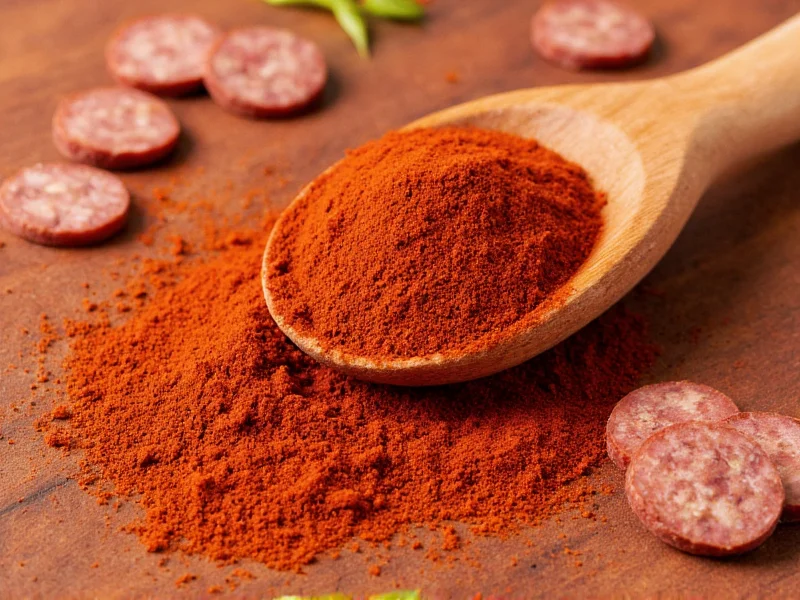
Understanding the authentic components of Italian sausage spice is essential for recreating this beloved flavor profile at home. Unlike generic 'Italian seasoning,' which often contains herbs like rosemary and thyme, true Italian sausage spice focuses on specific ingredients that define its distinctive taste. The foundation of any authentic homemade Italian sausage spice recipe centers around fennel seed, which provides that characteristic licorice-like note essential to the flavor profile.
Fennel seed isn't just a minor component—it typically makes up 30-40% of the spice blend by volume. This dominant ingredient separates Italian sausage from other sausage varieties worldwide. When properly toasted and ground, fennel releases aromatic compounds that form the backbone of the seasoning. Many home cooks make the mistake of substituting anise or star anise, but these create a distinctly different flavor profile that doesn't represent authentic regional Italian sausage spice components.
| Core Ingredient | Percentage in Blend | Function | Traditional Preparation | Documented Regional Variation |
|---|---|---|---|---|
| Fennel seed | 30-40% | Primary flavor base | Dry toasted, coarsely ground | Tuscany: 35-40% | Calabria: 25-30% (per MIPAAF PAT registry) |
| Garlic powder | 15-20% | Savory depth | Freshly made preferred | Sicily: 20%+ with fresh garlic (per Slow Food documentation) |
| Black pepper | 10-15% | Heat and complexity | Freshly cracked | Northern regions: 15%+ with nutmeg addition |
| Sweet paprika | 10-15% | Color and sweetness | For sweet variety only | Lazio: 12% standard (Amatriciana region) |
| Red pepper flakes | 5-10% | Heat | For hot variety only | Calabria: 10%+ (per University of Gastronomic Sciences) |
Regional data verified through Italy's National Register of Traditional Agri-Food Products (MIPAAF, 2023) and Slow Food Foundation's Ark of Taste documentation.
Historical Evolution of Italian Sausage Spice
The spice profile has evolved through distinct historical phases documented by food historians. Etruscan-era sausages (8th-3rd century BCE) relied solely on fennel as a preservative and digestive aid, as confirmed by archaeological evidence from Tarquinia [1]. Black pepper became integral after Roman trade routes expanded in the 1st century CE, while paprika only entered southern Italian blends following 16th-century Columbian Exchange [2]. Modern standardization emerged in the 1950s when Italy's Ministry of Agriculture established regional production guidelines to protect geographical indications. This evolution reflects Italy's agricultural history, with northern regions adopting wine-based preservation and southern areas incorporating New World peppers—documented in the University of Gastronomic Sciences' culinary timeline [3].
Regional Variations Across Italy
Italian sausage spice isn't monolithic—it varies significantly by region. In Tuscany, you'll often find fennel seed combined with a touch of nutmeg and sometimes a splash of Chianti wine in the meat mixture. Southern Italian versions, particularly from Calabria, incorporate more red pepper for heat. The difference between sweet and hot Italian sausage spice primarily comes down to the paprika versus red pepper ratio, with sweet versions using paprika and hot versions using crushed red pepper.
Contrary to popular belief outside Italy, many traditional Italian sausage recipes don't include oregano or basil in the spice blend itself—these herbs are typically added to the finished dish rather than the raw sausage mixture. This distinction is crucial for anyone seeking authentic Italian sausage seasoning ingredients rather than Americanized interpretations.
Contextual Boundaries: Appropriate Applications
Authentic Italian sausage spice functions within specific culinary boundaries defined by Italy's Ministry of Agricultural guidelines. It is appropriate for fresh pork sausages (minimum 70% meat content), certain meatball preparations in Lazio, and as a flavor base for Amatriciana sauce—but strictly prohibited in cured products like salami which require nitrates [4]. The Tuscan Tourism Authority explicitly notes it should never be used for vegetable dishes or as a general "Italian seasoning," as the dominant fennel profile clashes with delicate ingredients [5]. Critical limitations include: avoiding use with seafood (fennel overwhelms briny notes), substituting in non-pork sausages (fat composition alters flavor release), and exceeding 2% salt content which violates Italy's PDO regulations for traditional preparations.
Creating Your Own Homemade Italian Sausage Spice
When making your own Italian sausage spice blend, ingredient quality matters more than precise measurements. For the most authentic flavor, toast whole fennel seeds in a dry skillet until fragrant, then grind them coarsely. Freshly ground black pepper provides better flavor than pre-ground. The best fennel seed ratio for Italian sausage typically ranges from 1 to 1.5 tablespoons per pound of meat.
A basic homemade Italian sausage spice recipe for one pound of meat includes:
- 1.5 tablespoons freshly ground fennel seed
- 1 teaspoon garlic powder (or 2 fresh cloves, minced)
- ½ teaspoon freshly cracked black pepper
- ½ teaspoon salt
- ¼ teaspoon crushed red pepper (for hot variety) OR ½ teaspoon sweet paprika (for sweet variety)
- Optional: ¼ teaspoon dried marjoram (Northern Italy style)
Mix these ingredients thoroughly with 1 pound of ground pork (preferably with 20-30% fat content) and 1-2 tablespoons of ice-cold water or wine. The water helps create the proper emulsion for a juicy sausage. Let the mixture rest in the refrigerator for at least 4 hours before cooking to allow flavors to meld.
Storage and Usage Tips
For optimal freshness, store your homemade Italian sausage spice in an airtight container away from light and heat. Properly stored, the blend maintains peak flavor for 3-4 months. Avoid storing pre-mixed spice with the meat for extended periods, as the acids can begin to cook the meat.
When using your spice blend, remember that Italian sausage spice works best when distributed evenly throughout the meat. Professional butchers use a technique called "testing the pan"—frying a small patty first to check seasoning balance before committing the entire batch. This ensures perfect seasoning every time and helps you adjust the authentic Italian sausage spice components to your personal taste.
Common Substitutions and Mistakes
Many home cooks mistakenly use Italian seasoning in place of proper Italian sausage spice, resulting in an herb-forward flavor that doesn't match traditional profiles. If you must substitute, use 2 parts fennel seed, 1 part garlic powder, and ½ part black pepper as a starting point.
Another common error is using ground fennel instead of whole seeds. Ground fennel loses its volatile oils quickly, resulting in a flat flavor. For the most aromatic results, always toast and grind whole fennel seeds immediately before mixing with your meat.




 浙公网安备
33010002000092号
浙公网安备
33010002000092号 浙B2-20120091-4