
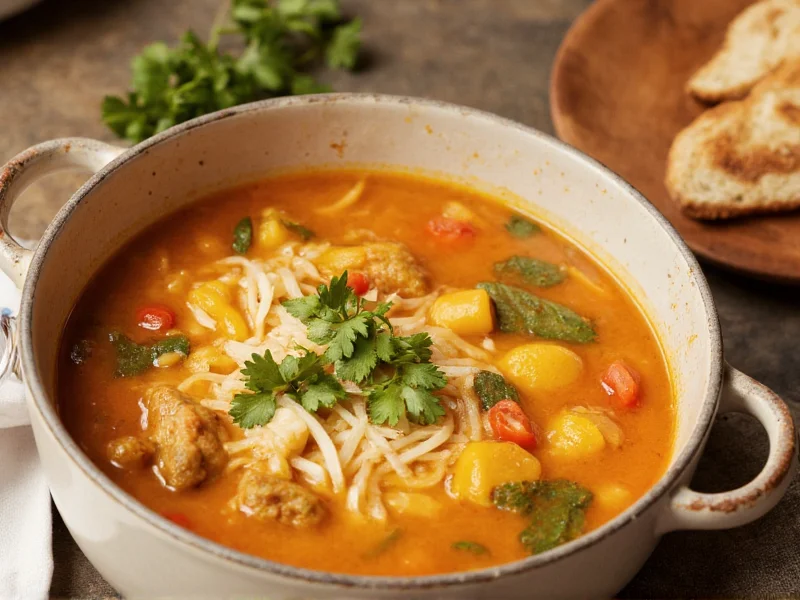
What Exactly Is Italian Penicillin Soup?
Despite its name, Italian penicillin soup contains zero penicillin. The term emerged from Italian immigrant communities in early 20th century America, where resourceful grandmothers created this restorative chicken soup during cold and flu season. Calling it "penicillin" reflected their belief in its powerful healing properties—long before penicillin became widely available in the 1940s.
This traditional Italian cold remedy soup combines immune-supporting ingredients in a single pot. The "penicillin" label represents cultural storytelling rather than medical fact. Understanding this distinction is crucial for anyone seeking authentic information about this beloved folk remedy.
Evolution of Italian Penicillin Soup: Key Historical Milestones
| Time Period | Development | Source |
|---|---|---|
| Pre-1900 (Southern Italy) | Traditional use of garlic and lemon in broths for respiratory ailments due to limited medical access | Garlic in Traditional Medicine (NCBI, 2017) |
| Early 1900s (US Immigration) | Italian immigrants adapt recipes using available ingredients; soup becomes community remedy during epidemics | Library of Congress: Immigrant Foodways |
| 1918-1919 (Influenza Pandemic) | Widespread use as primary treatment when medical care inaccessible; foundation of "penicillin" nickname origin | CDC: 1918 Pandemic History |
| 1940s (Post-Penicillin Discovery) | Term "penicillin soup" emerges as cultural metaphor after antibiotic becomes household name | NLM: Penicillin History |
| 1980s-Present | Transition from folk remedy to celebrated cultural tradition; featured in culinary media | Smithsonian: History of Chicken Soup |
This timeline illustrates how necessity and cultural adaptation transformed a simple broth into a symbolic healing food. The "penicillin" label reflects immigrant communities' resourcefulness during medical shortages, not literal antibiotic content.
Authentic Italian Penicillin Soup Recipe
While recipes vary by family, the core ingredients remain consistent. This version reflects traditional preparations passed down through generations:
| Ingredient | Traditional Purpose | Scientific Benefit |
|---|---|---|
| Chicken bones | "Soul" of the soup | Collagen supports gut health |
| Garlic (abundant) | "Natural antibiotic" | Allicin has antimicrobial properties |
| Lemon juice | Vitamin C source | Supports immune function |
| Carrots & celery | "Holy trinity" base | Vitamins A and K for immunity |
| Parmesan rind | Umami depth | Glutamine supports gut lining |
Preparation Method
1. Simmer chicken bones for 4-6 hours to create rich broth
2. Add chopped vegetables and garlic during last hour
3. Stir in fresh lemon juice just before serving
4. Include egg noodles or rice for heartier version
5. Finish with grated Parmesan and fresh parsley
The extended simmering time extracts maximum nutrients—a key reason Italian grandmother's soup for flu works better than quick versions. Authentic preparation requires patience, reflecting Italian food culture's "slow medicine" approach.
Science vs. Folklore: What Really Makes This Soup Work
While Italian penicillin soup doesn't contain antibiotics, research supports many ingredients' health benefits:
- Garlic: Contains allicin, which studies show has antimicrobial effects against certain bacteria and viruses
- Lemon: Provides vitamin C that supports white blood cell function during illness
- Chicken broth: Hydrating and contains amino acids like cysteine that may thin mucus
- Vegetables: Deliver antioxidants that reduce inflammation
A 2012 Chest Journal study found chicken soup inhibits neutrophil migration, potentially reducing inflammation during upper respiratory infections. This explains why does Italian penicillin soup work as a comfort food—it provides real physiological benefits, not placebo effects.
When Italian Penicillin Soup Works: Contextual Boundaries
Understanding the specific conditions where this soup provides benefits versus when medical intervention is necessary is critical. Based on clinical guidelines:
| Illness Scenario | Soup's Role | Limitations & Medical Thresholds |
|---|---|---|
| Early cold symptoms (sore throat, runny nose) | Provides hydration, nutrients, and symptom relief | Not effective against viral replication; monitor for worsening |
| Mild dehydration from illness | Electrolyte-rich broth aids rehydration | Inadequate for severe dehydration; oral rehydration solutions preferred |
| Appetite loss during recovery | Easily digestible nutrients support healing | Not sufficient for malnutrition; requires balanced diet |
| Bacterial infections (e.g., strep throat) | Comfort only; no antibiotic effect | Antibiotics required; delay risks complications |
Source: CDC Treatment Guidelines and Mayo Clinic Recommendations.
Think of Italian penicillin soup as nutritional support—not a replacement for medical care when needed. Its value lies in combining hydration, nutrients, and comfort during minor illnesses.
Cultural Significance Beyond the Kitchen
This soup represents Italian-American resilience. During the 1918 flu pandemic, when medical care was inaccessible to many immigrants, food became medicine. The "penicillin" nickname emerged later as a point of pride—showcasing how traditional knowledge complemented modern medicine.
Similar concepts exist worldwide:
- Jewish penicillin (Jewish chicken soup)
- Chinese herbal congee
- Mexican posole
These traditional remedies share core principles: hydration, nutrient density, and the healing power of care. The history of Italian penicillin soup reflects universal human ingenuity in using available resources for wellness.




 浙公网安备
33010002000092号
浙公网安备
33010002000092号 浙B2-20120091-4