
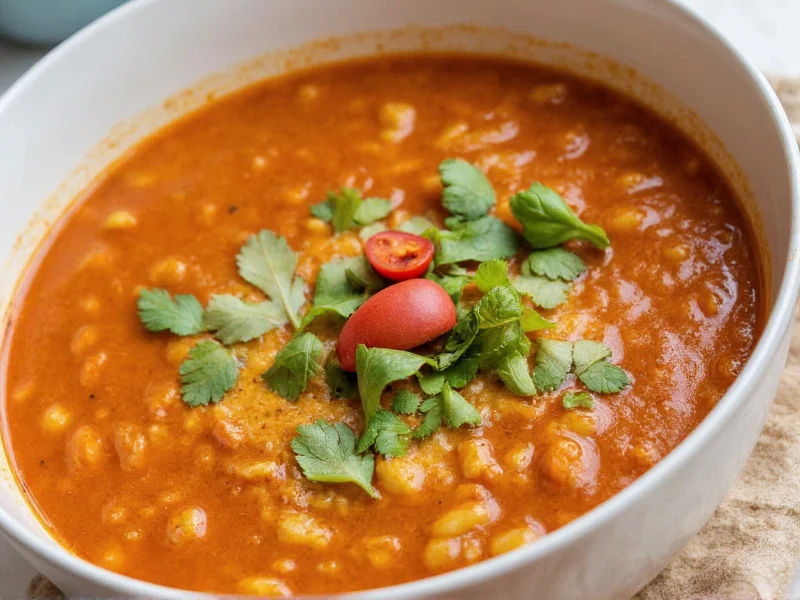
When exploring traditional popular soups worldwide, it's essential to understand what makes certain soup varieties stand the test of time. Soup has served as both sustenance and cultural symbol across civilizations for thousands of years. The most enduring soup recipes typically balance flavor, nutrition, and accessibility of ingredients while reflecting the agricultural and culinary traditions of their regions.
Defining Soup Popularity Across Cultures
Soup popularity isn't merely about taste—it's about cultural resonance, historical significance, and adaptability. The best seasonal soup varieties often address specific environmental needs: hearty stews in colder climates, light broths in tropical regions. Popular soup dishes gain international recognition when they successfully translate across cultural boundaries while maintaining their authentic character.
Global Soup Traditions by Region
Understanding regional soup specialties reveals much about culinary history and ingredient availability. The following table showcases culturally significant soup dishes from various parts of the world:
| Region | Signature Soup | Key Ingredients | Cultural Significance |
|---|---|---|---|
| East Asia | Miso Soup | Fermented soybean paste, dashi, tofu, seaweed | Served with every Japanese meal, represents harmony |
| Southeast Asia | Pho | Rice noodles, beef or chicken broth, herbs | National dish of Vietnam, street food staple |
| Western Europe | French Onion Soup | Caramelized onions, beef broth, baguette, cheese | Classic bistro fare dating to 18th century France |
| Eastern Europe | Borscht | Beets, cabbage, potatoes, meat or vegetarian | Symbol of Ukrainian identity and resilience |
| North America | Clam Chowder | Clams, potatoes, onions, cream base | New England culinary tradition since 18th century |
Seasonal Soup Preferences
Popular soup varieties often follow seasonal patterns. During colder months, hearty options like beef bourguignon and Hungarian goulash dominate menus worldwide. These traditional popular soups provide warmth and substantial nutrition when needed most. In warmer seasons, lighter options gain favor—think chilled gazpacho from Spain or Vietnamese canh chua with its tangy broth and fresh herbs.
The science behind seasonal soup preferences relates to thermoregulation and ingredient availability. Hearty winter soups typically feature root vegetables and meats that store well through cold months, while summer soups showcase fresh produce at its peak. This natural rhythm explains why certain soup dishes maintain year-round popularity in specific regions while others enjoy seasonal spikes in interest.
Dietary-Specific Popular Soups
Modern dietary preferences have influenced which soup varieties gain prominence. Vegetarian and vegan options like Italian ribollita and West African groundnut soup have seen increased global popularity as plant-based eating grows. Gluten-free adaptations of traditionally wheat-based soups, such as using rice noodles in pho, have made these dishes accessible to more people.
When examining popular soup dishes through a dietary lens, certain patterns emerge. Bone broth soups have gained traction among paleo and keto followers for their protein content and minimal carbohydrates. Meanwhile, miso soup remains a staple in macrobiotic and Japanese dietary traditions for its probiotic benefits and umami richness.
Cultural Significance of Soup Traditions
Soup often serves as more than just food—it embodies cultural identity and community. In many societies, soup preparation represents intergenerational knowledge transfer. The Russian saying "soup is the soul of the meal" reflects how deeply soup is woven into culinary identity.
Miso soup exemplifies how cultural context defines a soup's role and limitations. In Japan, miso soup is traditionally served with every meal except breakfast in some regions, and its preparation varies by season and region—white miso in summer, red miso in winter. However, outside Japan, miso soup often appears only as a starter in sushi restaurants, losing its integrated role in daily meals. The Japan National Tourism Organization notes that authentic miso soup consumption requires understanding these contextual boundaries, as substitutions like non-traditional broths can diminish both cultural authenticity and nutritional benefits.
Historically, soup has played crucial roles during economic hardships, providing economical nutrition through resourceful use of available ingredients. The Jewish tradition of chicken soup as "Jewish penicillin" demonstrates how certain soups gain reputations for healing properties beyond their nutritional value.
Globalization of Soup Culture
The international popularity of certain soups often follows migration patterns and cultural exchange. Ramen's journey from Chinese-inspired dish to Japanese national treasure to global phenomenon illustrates how soup varieties evolve through cultural adaptation. Similarly, the worldwide spread of tomato soup connects to the Columbian Exchange that introduced tomatoes to Europe.
Pho provides another compelling case study in culinary evolution. Originating in northern Vietnam during the early 20th century, pho emerged as a fusion of French beef broth techniques and Chinese rice noodle traditions. Its journey to global prominence accelerated after the Vietnam War, as refugees introduced the dish to North America and Europe. By the 2000s, pho had evolved from a regional specialty to an international comfort food, with adaptations ranging from vegetarian versions to fusion interpretations. This trajectory is documented in a 2017 Smithsonian Magazine feature that traces pho's adaptation across cultures.
Modern food media has accelerated the globalization of soup culture. Cooking shows, food blogs, and social media platforms have made traditionally regional soup dishes accessible to home cooks worldwide. This exposure has transformed once-obscure regional specialties into internationally recognized popular soup varieties.
Creating Authentic Popular Soups at Home
Recreating traditional popular soups requires understanding foundational techniques. The difference between adequate and exceptional soup often lies in broth preparation—properly caramelized onions for French onion soup, correctly balanced dashi for miso soup, or patiently simmered bones for pho broth.
When exploring best seasonal soup varieties for home cooking, consider ingredient quality and preparation time. Many globally popular soups, like minestrone or gumbo, actually improve with longer simmering times that allow flavors to meld. Modern adaptations using pressure cookers can reduce preparation time while maintaining flavor depth for busy home cooks.
Conclusion
Popular soup varieties offer a delicious window into global culinary traditions. From the comforting familiarity of chicken noodle soup to the complex layers of authentic pho, these dishes connect us to cultures and histories beyond our own kitchens. Understanding what makes certain soups endure across generations and borders helps us appreciate not just their flavors, but their role in human connection and cultural expression. Whether seeking seasonal comfort, dietary accommodation, or cultural exploration, the world of popular soups provides endless opportunities for discovery and enjoyment.




 浙公网安备
33010002000092号
浙公网安备
33010002000092号 浙B2-20120091-4