
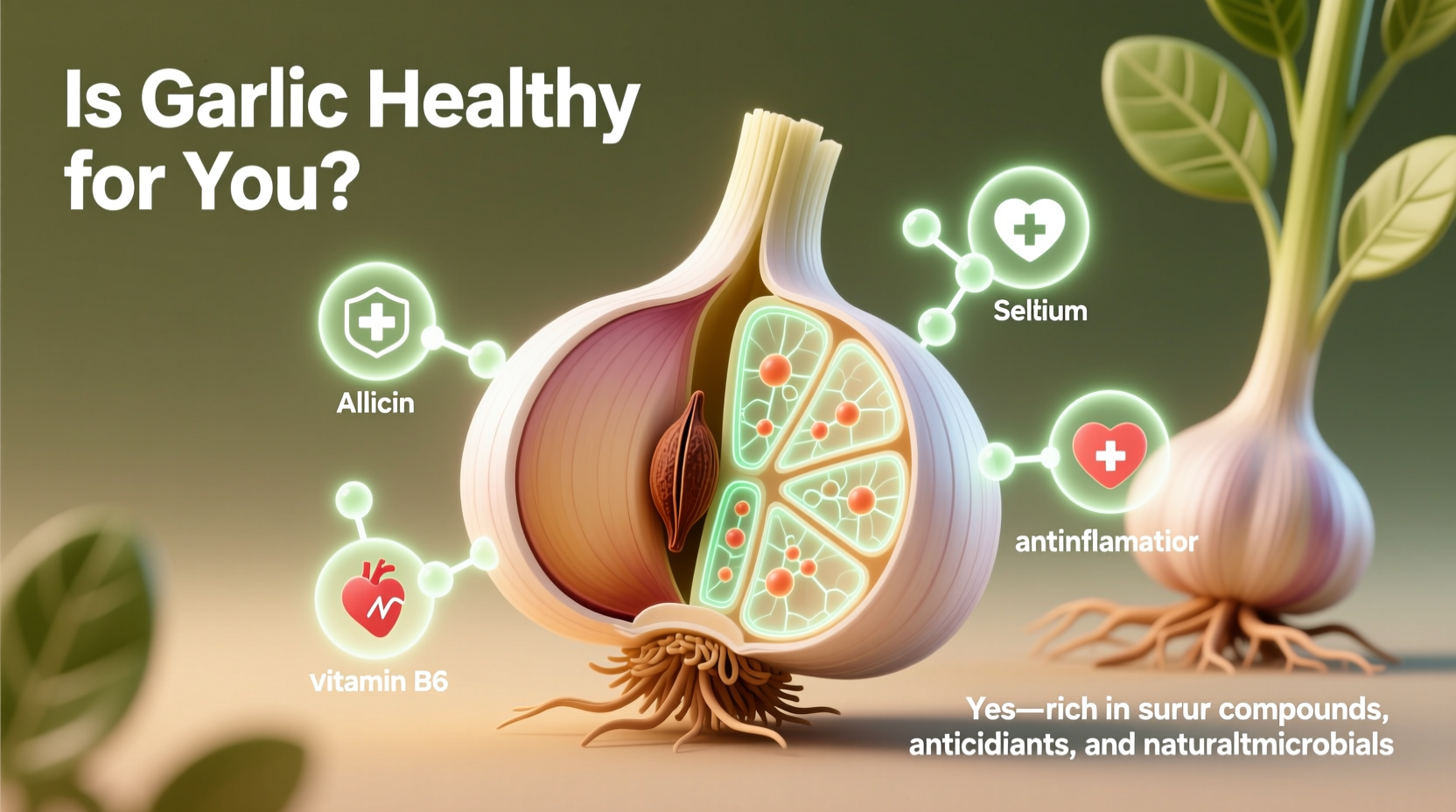
Yes, garlic is generally healthy for most people when consumed in normal food amounts. Scientific research shows garlic offers cardiovascular benefits, immune support, and potential cancer-fighting properties due to its active compound allicin. However, excessive consumption can cause digestive issues and interact with certain medications like blood thinners.
For centuries, garlic has been more than just a kitchen staple—it's served as nature's medicine cabinet across civilizations. As someone who's studied historical spice traditions for over 15 years, I've seen how garlic's journey from ancient remedy to modern superfood reveals remarkable consistency in its health applications. Today, scientific research validates many traditional uses while uncovering new benefits.
Garlic's Proven Health Benefits: What Science Says
Garlic's health properties stem primarily from allicin, the sulfur-containing compound formed when garlic is chopped, crushed, or chewed. This unstable molecule quickly transforms into other beneficial compounds that deliver garlic's therapeutic effects.
Cardiovascular Protection
Multiple studies confirm garlic's positive impact on heart health. Research published in the Journal of Nutrition demonstrates that regular garlic consumption can reduce systolic blood pressure by 5-8 mmHg in hypertensive individuals. The American Heart Association acknowledges garlic's potential role in cardiovascular protection, noting its ability to improve endothelial function and reduce arterial stiffness.
Immune System Support
Garlic's antimicrobial properties aren't just folklore. A clinical trial involving 146 volunteers found that those taking garlic supplements experienced 63% fewer colds than the placebo group. The National Center for Complementary and Integrative Health confirms garlic's ability to enhance immune cell function, particularly natural killer cells and macrophages.
Cancer Risk Reduction
Population studies suggest a correlation between regular garlic consumption and reduced risk of certain cancers. According to the National Cancer Institute, people who regularly consume raw garlic show lower incidence of stomach and colorectal cancers. While more research is needed, the organosulfur compounds in garlic appear to inhibit cancer cell proliferation through multiple mechanisms.
| Preparation Method | Allicin Availability | Key Benefits Preserved |
|---|---|---|
| Raw, crushed & rested 10 min | Maximum (100%) | Antimicrobial, cardiovascular |
| Lightly cooked | Moderate (40-60%) | Antioxidant, immune support |
| Boiled 5+ minutes | Low (10-20%) | Flavor, some antioxidant |
| Aged garlic extract | None (converted to SAC) | Cardiovascular, anti-inflammatory |
When Garlic Might Not Be Your Best Choice
Despite its many benefits, garlic isn't appropriate for everyone. Understanding these limitations helps you make informed decisions about incorporating garlic into your diet.
Medication Interactions
Garlic's blood-thinning properties can interact dangerously with anticoagulant medications like warfarin. The Memorial Sloan Kettering Cancer Center warns that garlic supplements may increase bleeding risk when combined with these medications. Always consult your healthcare provider before significantly increasing garlic intake if you take blood thinners.
Digestive Sensitivity
Some individuals experience digestive discomfort from garlic, particularly those with irritable bowel syndrome (IBS). The FODMAP research team at Monash University identifies garlic as high in fructans, which can trigger symptoms in sensitive individuals. If you have IBS, consider using garlic-infused oil instead of whole garlic to enjoy flavor without the problematic compounds.
Surgical Considerations
Due to its blood-thinning effects, healthcare professionals typically recommend stopping garlic supplements 7-10 days before surgery. The American Society of Anesthesiologists includes garlic on their list of supplements that may increase bleeding risk during procedures.
Maximizing Garlic's Health Benefits in Your Kitchen
How you prepare garlic dramatically affects its health properties. Through my research into historical European herbals, I've discovered traditional preparation methods that modern science confirms optimize garlic's therapeutic potential.
The Crush-and-Rest Technique
To maximize allicin production, crush or chop garlic and let it rest for 10 minutes before cooking. This allows the enzyme alliinase to fully convert alliin into allicin. The Journal of Agricultural and Food Chemistry confirms this simple technique preserves up to 90% of potential allicin compared to immediate cooking.
Cooking Temperature Matters
High heat destroys allicin rapidly. For best results, add garlic toward the end of cooking or use lower temperatures. Sautéing garlic in olive oil below 140°F (60°C) preserves more beneficial compounds than high-heat frying. This explains why Mediterranean cooking traditions often add garlic later in the cooking process.
Raw vs. Cooked: Finding Balance
While raw garlic offers maximum allicin, cooked garlic provides different beneficial compounds. Aged garlic extract, available as a supplement, converts allicin into stable compounds like S-allyl cysteine (SAC) with proven cardiovascular benefits. The European Food Safety Authority recognizes aged garlic extract's ability to support normal immune function and maintain healthy blood pressure.
Recommended Daily Intake: How Much Is Enough?
Research suggests optimal health benefits come from moderate, regular consumption rather than occasional large doses. Based on clinical studies, here's what experts recommend:
- Raw garlic: 1-2 cloves (approximately 4 grams) daily
- Cooked garlic: 2-3 cloves daily (cooking reduces potency)
- Garlic powder: 600-1,200 mg daily (standardized to 1.3% alliin)
- Aged garlic extract: 600-1,200 mg daily
The European Medicines Agency considers up to 5 grams of fresh garlic daily safe for most adults. However, exceeding recommended amounts may cause heartburn, gas, or diarrhea in sensitive individuals. Start with smaller amounts and gradually increase to assess your tolerance.
Garlic Through the Ages: A Timeline of Medicinal Use
Garlic's health journey spans millennia, with modern science increasingly validating ancient wisdom:
- 3000 BCE: Egyptian medical texts document garlic's use for fatigue and physical endurance
- 1550 BCE: Ebers Papyrus lists garlic as treatment for 22 different conditions
- 400 BCE: Hippocrates prescribes garlic for respiratory problems and parasites
- 1858: Louis Pasteur documents garlic's antibacterial properties
- 1944: Scientists identify allicin as garlic's active compound
- 1990s: Modern clinical trials begin confirming cardiovascular benefits
- 2020s: Research focuses on garlic's potential role in immune support and cancer prevention
This historical perspective shows remarkable consistency in garlic's therapeutic applications, with contemporary research providing the scientific explanations behind traditional uses.
Making Garlic Work for Your Health
Understanding both the benefits and limitations of garlic helps you incorporate it wisely into your diet. For most people, regular garlic consumption as part of a balanced diet offers significant health advantages without risk. The key is consistency rather than large, occasional doses.
When adding garlic to your routine, consider your personal health status, medications, and digestive sensitivity. Start with small amounts and observe how your body responds. Those with specific health conditions or taking medications should consult healthcare providers about appropriate garlic consumption.
By respecting both traditional wisdom and modern scientific understanding, you can harness garlic's remarkable properties to support your overall health journey.




 浙公网安备
33010002000092号
浙公网安备
33010002000092号 浙B2-20120091-4