
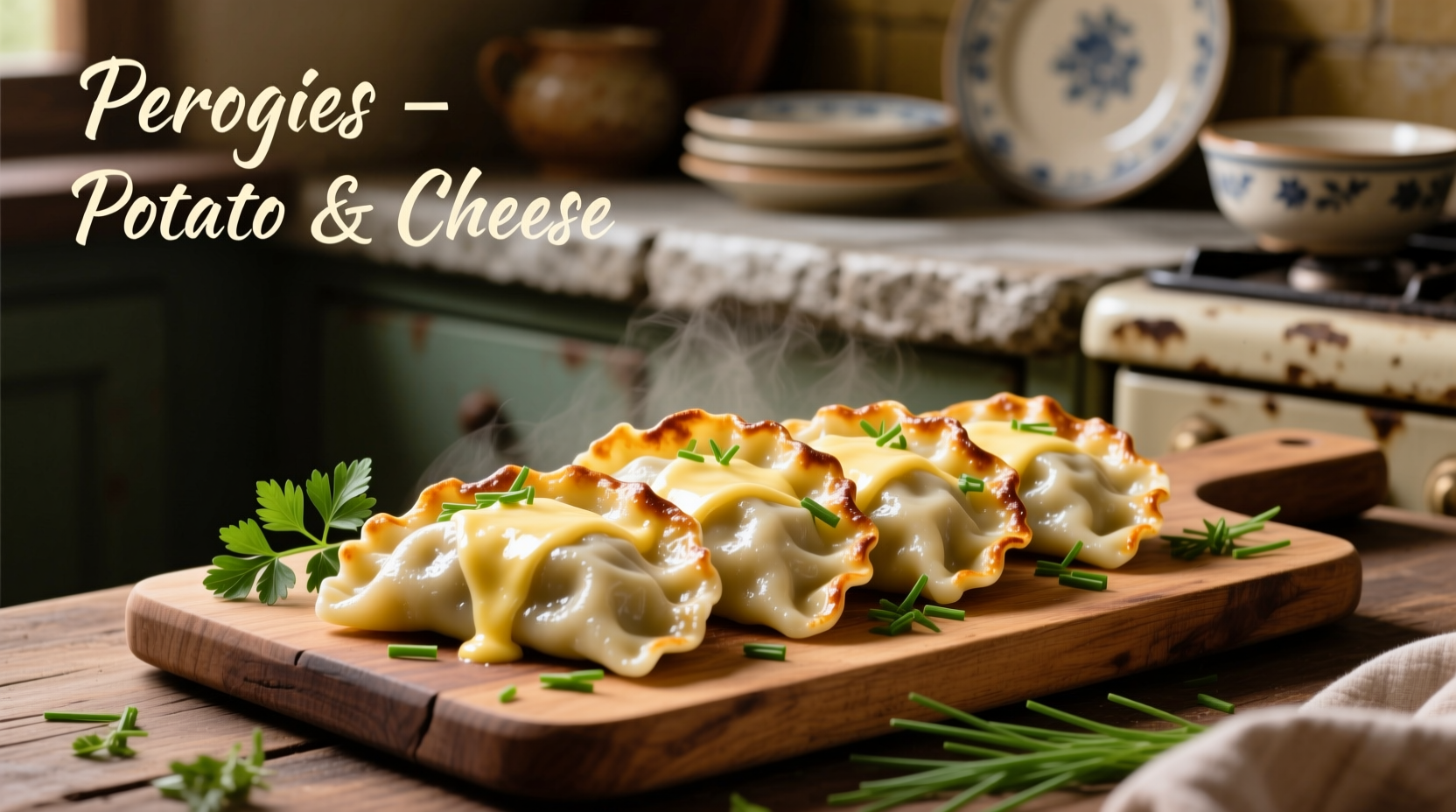
Perogies potato and cheese are traditional Eastern European dumplings featuring a tender dough wrapper filled with mashed potatoes and cheese, typically served boiled or pan-fried with sour cream and onions. These comforting handheld delights originated in Poland and Ukraine centuries ago and remain a beloved staple across many Slavic cultures.
The Essential Guide to Authentic Potato and Cheese Perogies
Discover why potato and cheese perogies have sustained their popularity for generations across Eastern Europe and beyond. Whether you're a first-time maker or looking to perfect your technique, this guide delivers everything you need to create authentic, restaurant-quality perogies in your own kitchen.
What Makes Potato and Cheese Perogies Special
Perogies (also spelled pierogi) represent one of Eastern Europe's most enduring culinary traditions. These half-moon shaped dumplings originated in Poland during the 13th century, with early references appearing in Polish court documents from 1262. Ukrainian, Russian, and Lithuanian cultures later adopted and adapted the dish, creating regional variations that persist today.
The classic potato and cheese filling combines humble ingredients into something extraordinary. Unlike many dumpling traditions that emphasize meat fillings, potato and cheese perogies showcase how simple ingredients can create complex flavors through proper technique and preparation.
Key Ingredients for Perfect Perogies
Authentic potato and cheese perogies require just a handful of quality ingredients. The magic happens through technique rather than complexity.
| Component | Essential Ingredients | Quality Tips |
|---|---|---|
| Dough | All-purpose flour, eggs, warm water, salt | Use room temperature ingredients; let dough rest 30 minutes |
| Filling | Russet potatoes, farmer's cheese, butter, onion | Use starchy potatoes; mash while hot; sauté onions until golden |
| Finishing | Sour cream, fried onions, fresh dill | Use full-fat sour cream; fry onions slowly for maximum flavor |
Step-by-Step Preparation Process
Creating perfect potato and cheese perogies follows a logical sequence that transforms simple ingredients into culinary treasures.
Dough Preparation
Combine 3 cups flour with 1 teaspoon salt. Make a well and add 1 large egg and 1/2 cup warm water. Mix until a shaggy dough forms, then knead 5-7 minutes until smooth and elastic. Wrap in plastic and rest 30 minutes at room temperature. Properly rested dough rolls out more easily and yields tender perogies that won't tear during cooking.
Filling Technique
Boil 2 pounds Russet potatoes until fork-tender. Drain well and mash with 1 cup farmer's cheese (twaróg), 3 tablespoons melted butter, and 1/2 cup sautéed onions. Season with salt to taste. The key to perfect filling texture is ensuring potatoes are completely dry before mashing - excess moisture causes filling to seep through dough.
Shaping and Sealing
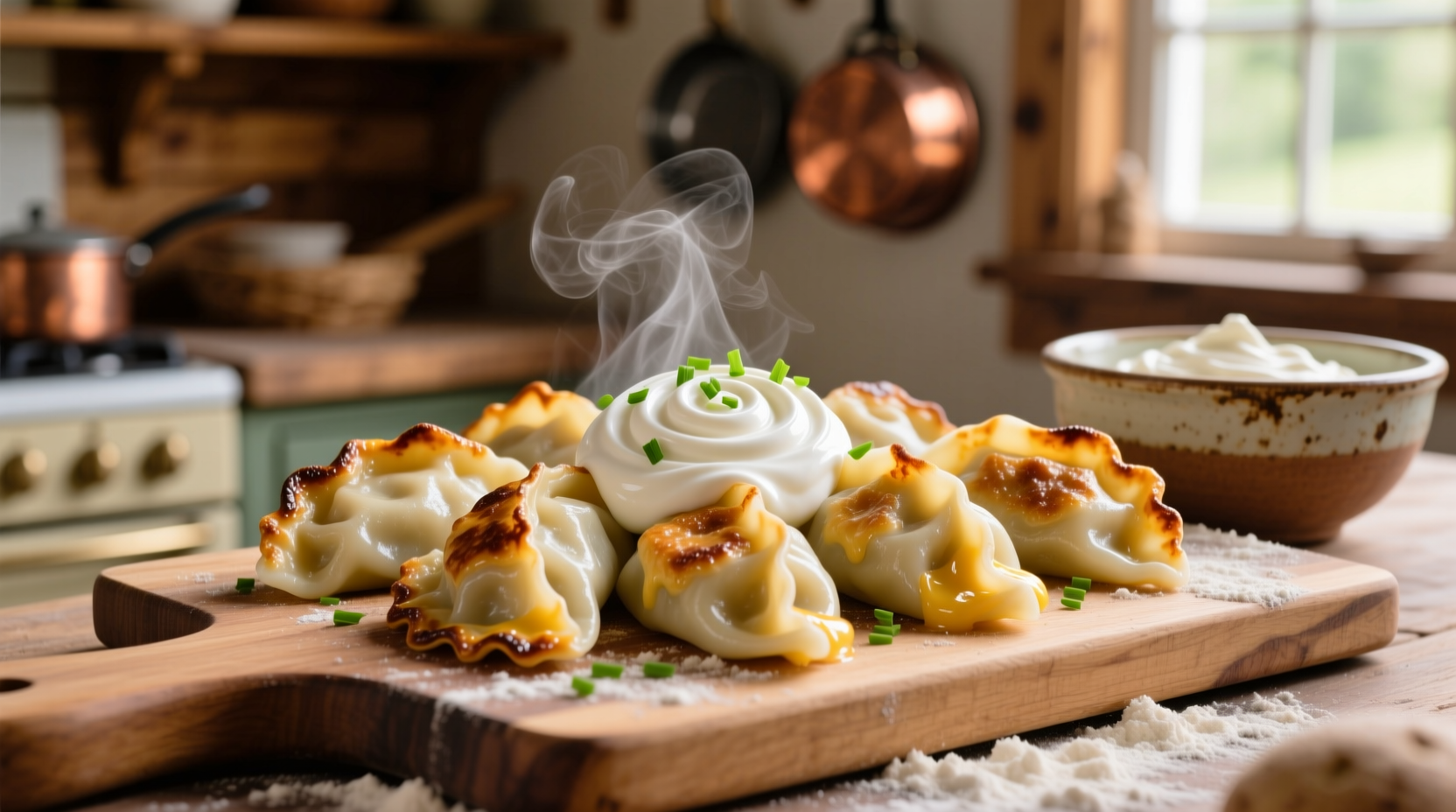
Roll dough to 1/8-inch thickness and cut 3-inch circles using a glass or cookie cutter. Place 1 tablespoon filling in center of each circle. Fold dough over to create half-moon shape, pressing edges firmly to seal. For extra security, crimp edges with a fork. Well-sealed perogies prevent filling leakage during cooking.
Avoiding Common Perogie-Making Mistakes
Even experienced cooks encounter challenges with perogies. Understanding these pitfalls ensures consistent success:
- Wet filling - Potatoes must be thoroughly drained and mashed while hot to absorb moisture
- Insufficient dough resting - Unrested dough shrinks when rolled, causing tearing
- Overfilling - Too much filling makes sealing difficult and increases leakage risk
- Rushing the cooking process - Perogies need gentle handling during boiling
Traditional Cooking Methods
Authentic potato and cheese perogies follow a two-stage cooking process:
- Boiling - Bring large pot of salted water to gentle simmer (not rolling boil). Add perogies in batches and cook 3-4 minutes until they float to surface. Remove with slotted spoon.
- Pan-frying (optional) - For traditional "fried perogies," sauté boiled perogies in butter until golden brown on both sides. This creates the signature crispy exterior while keeping filling tender.
According to culinary historians at the University of Warsaw's Food Culture Institute, this dual cooking method developed in 19th century Polish villages where families would boil perogies in advance, then quickly pan-fry them when ready to serve, maximizing fuel efficiency while ensuring optimal texture.
Serving Traditions and Pairings
While modern interpretations exist, traditional potato and cheese perogies follow specific serving customs:
- Serve immediately after cooking for best texture
- Top with generous dollop of full-fat sour cream
- Add crispy fried onions for texture contrast
- Include fresh dill or chives for brightness
- Pair with beetroot soup (barszcz) for complete meal
In Polish and Ukrainian households, perogies often appear during religious holidays like Christmas Eve and Easter, reflecting their cultural significance beyond mere sustenance. The dumplings symbolize prosperity and family unity in many Slavic traditions.
Storage and Freezing Techniques
One of perogies' greatest advantages is their freezer-friendly nature. Follow these steps for perfect frozen perogies:
- Arrange uncooked perogies on parchment-lined baking sheet
- Freeze until solid (about 1 hour)
- Transfer to airtight freezer bags, removing excess air
- Store up to 3 months at 0°F or below
- Cook directly from frozen, adding 1-2 minutes to boiling time
The USDA Food Safety and Inspection Service confirms that properly frozen perogies maintain quality for 2-3 months when stored at consistent freezer temperatures. This makes them ideal for meal prep and preserving seasonal harvests.
Modern Variations Worth Trying
While traditional potato and cheese remains beloved, contemporary chefs have developed creative adaptations:
- Add roasted garlic to the filling for deeper flavor
- Substitute cheddar for farmer's cheese for sharper taste
- Incorporate caramelized onions directly into the filling
- Use sweet potato for a colorful alternative
- Add fresh herbs like dill or chives to the dough
These variations maintain the essential spirit of perogies while introducing new flavor dimensions. The key is preserving the fundamental balance between tender dough and flavorful filling that defines authentic perogies.
Frequently Asked Questions
What's the difference between perogies and pierogi?
Perogies is the anglicized spelling commonly used in North America, while pierogi is the Polish spelling. Both refer to the same Eastern European dumplings. The plural "pierogi" becomes "perogies" in English adaptation, similar to how "kielbasa" becomes "kielbasa sausage".
Can I make potato and cheese perogies without cheese?
Yes, traditional potato-only perogies exist, particularly in religious contexts where dairy is restricted. Simply omit the cheese and increase butter slightly for richness. Some versions include fried onions in the potato filling for added flavor.
Why do my perogies keep bursting during cooking?
Bursting usually occurs from either too much filling, insufficient sealing, or water that's boiling too vigorously. Ensure proper 1 tablespoon filling portion, seal edges thoroughly by pressing out air pockets, and cook in gently simmering (not rapidly boiling) water.
What's the best potato variety for perogies?
Russet or Idaho potatoes work best due to their high starch content and dry texture when cooked. Avoid waxy varieties like red potatoes, which contain more moisture and create a gummy filling that can cause perogies to burst during cooking.
How do I prevent my perogie dough from becoming tough?
Tough dough typically results from overworking or insufficient resting. Knead just until smooth (5-7 minutes), then let rest covered for at least 30 minutes before rolling. This allows gluten to relax, creating more tender dumplings. Using warm water instead of cold also helps prevent toughness.




 浙公网安备
33010002000092号
浙公网安备
33010002000092号 浙B2-20120091-4