
Many pet owners wonder is garlic good for dogs to eat after hearing claims about its health benefits. The unequivocal answer from veterinary experts is no—garlic poses significant health risks to dogs and should never be intentionally fed to them. This comprehensive guide explains exactly why garlic is dangerous, how much constitutes a threat, and what to do if your dog has consumed it.
Why Garlic Is Dangerous for Dogs: The Science Explained
Garlic belongs to the Allium family (which includes onions, chives, and leeks) and contains N-propyl disulfide, a compound that causes oxidative damage to red blood cells. This damage leads to hemolytic anemia, where red blood cells rupture prematurely. Unlike humans, dogs lack sufficient enzymes to safely process these compounds.
According to research published in Veterinary and Human Toxicology, dogs who consumed 5g/kg of body weight of onions (a close relative in the Allium family) developed hemolytic anemia. Since garlic is 5 times more potent than onions, even small amounts become concerning. For a 20-pound dog, just one clove of garlic (approximately 3-7 grams) could potentially cause toxicity.
| Allium Type | Toxicity Level for Dogs | Approximate Dangerous Amount (20lb dog) |
|---|---|---|
| Garlic | Extremely High | 1-2 cloves (3-7g) |
| Onion | High | 1 medium onion (100g) |
| Chives | Very High | Small bunch (15g) |
| Leeks | Moderate-High | 1-2 stalks (50g) |
Symptoms of Garlic Toxicity in Dogs: What to Watch For
Garlic poisoning symptoms often don't appear immediately, which can lead owners to mistakenly believe their dog is fine. The onset timeline typically follows this pattern:
- 0-24 hours: Gastrointestinal upset (vomiting, diarrhea, abdominal pain)
- 24-48 hours: Lethargy, weakness, decreased appetite
- 4-7 days: Pale gums, rapid breathing, dark urine (indicating hemolysis)
- 7+ days: Severe anemia requiring blood transfusion
The American Kennel Club Canine Health Foundation notes that Japanese breeds like Shiba Inus and Akita are particularly sensitive to Allium toxicity due to genetic factors affecting their red blood cells.
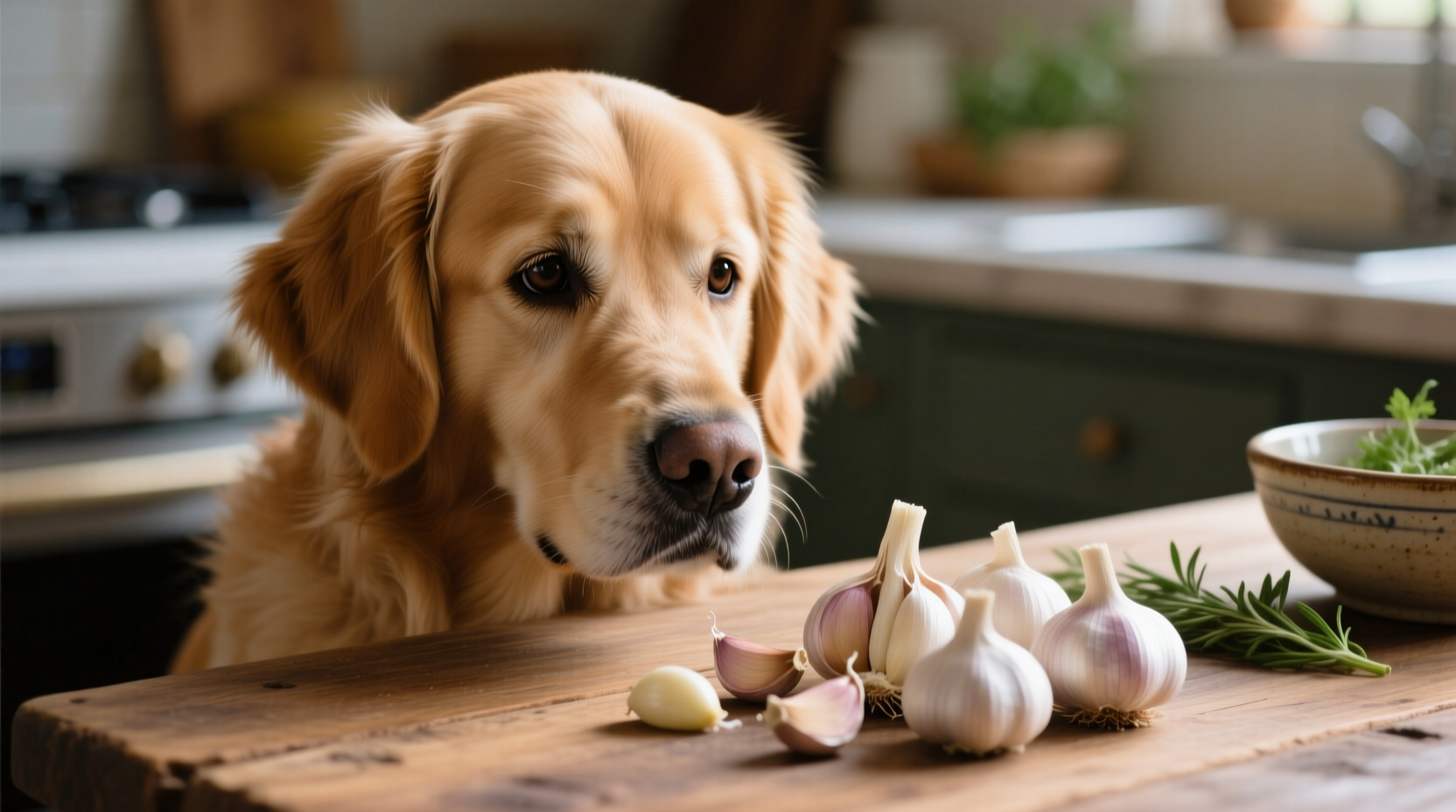
What to Do If Your Dog Ate Garlic: Immediate Action Steps
If your dog consumed garlic, follow these vet-recommended steps:
- Calculate the amount ingested - Note how many cloves or what percentage of a meal containing garlic was consumed
- Contact your veterinarian immediately - Do not wait for symptoms to appear
- Call animal poison control - The ASPCA Animal Poison Control Center (888-426-4435) charges a consultation fee but provides expert guidance
- Do not induce vomiting unless specifically instructed by a professional
- Bring packaging or remaining food to the vet appointment for reference
According to the ASPCA Animal Poison Control Center, treatment may include induced vomiting (if recent ingestion), activated charcoal, IV fluids, and in severe cases, blood transfusions. Early intervention significantly improves outcomes.
Common Misconceptions About Garlic and Dogs
Despite widespread misinformation, these garlic-related claims lack scientific support:
- "Garlic prevents fleas" - No clinical evidence supports this; safer alternatives exist
- "Cooked garlic is safe" - Cooking doesn't eliminate toxic compounds
- "Garlic powder is safer" - Concentrated forms may be more dangerous
- "Small amounts are beneficial" - No proven health benefits outweigh the risks
The American Veterinary Medical Association explicitly states that garlic supplements marketed for dogs are not recommended due to insufficient safety data and potential for harm.
Safe Alternatives for Supporting Your Dog's Health
Instead of risking garlic exposure, consider these veterinarian-approved options:
- For immune support: Veterinarian-prescribed supplements containing beta-glucans
- For digestive health: Probiotics specifically formulated for dogs
- For fresh breath: Dental chews approved by the VOHC (Veterinary Oral Health Council)
- For parasite prevention: FDA-approved flea and tick preventatives
Always consult your veterinarian before introducing any new supplement to your dog's diet. What works for humans often doesn't translate safely to canine physiology.
When to Seek Emergency Veterinary Care
Seek immediate veterinary attention if your dog shows any of these symptoms after potential garlic exposure:
- Excessive drooling or vomiting
- Unusual lethargy or weakness
- Pale or yellow-tinged gums
- Rapid breathing or heart rate
- Dark orange or red urine
- Loss of appetite lasting more than 12 hours
Remember that symptoms may not appear immediately—garlic toxicity can develop over several days. If you know your dog consumed garlic, inform your veterinarian even if no symptoms are present yet.
Preventing Accidental Garlic Exposure
Protect your dog by implementing these safety measures:
- Store garlic and onions securely away from curious noses
- Dispose of food scraps containing Alliums in pet-inaccessible trash
- Read pet food and treat labels carefully for garlic or onion derivatives
- Inform family members and visitors about the dangers of feeding human food
- Avoid using garlic-based essential oils near your dog
Many commercial dog foods and treats contain onion or garlic powder as flavor enhancers. The FDA advises pet owners to carefully read ingredient lists and avoid products containing any Allium species.




 浙公网安备
33010002000092号
浙公网安备
33010002000092号 浙B2-20120091-4