
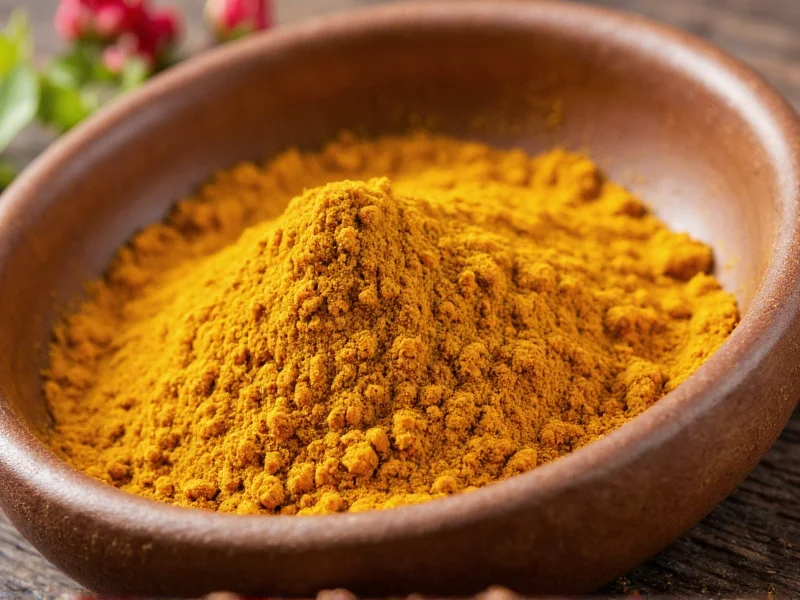
Curry powder isn't just a flavor enhancer—it's a blend of spices with potential health benefits backed by scientific research. Understanding what makes curry powder beneficial (and when to exercise caution) requires examining its components, research evidence, and practical usage.
What Exactly Is Curry Powder?
Despite its name, curry powder isn't a single standardized product but rather a spice blend originating from British interpretations of Indian cuisine. Traditional curry powders typically contain:
- Turmeric (providing the characteristic yellow color)
- Coriander
- Cumin
- Fenugreek
- Mustard seeds
- Chili peppers
- Ginger
- Cardamom
The exact composition varies significantly between brands and regional recipes, which affects both flavor profile and potential health benefits. When evaluating is store-bought curry powder healthy, quality and ingredient authenticity become crucial factors.
Historical and Research Evolution Timeline
Curry powder's journey from traditional use to scientific validation spans centuries. Key milestones demonstrate evolving understanding of its properties:
| Era | Development | Source |
|---|---|---|
| Ancient Period | Turmeric documented in Ayurvedic texts (Charaka Samhita) for wound healing and digestive support | National Center for Complementary and Integrative Health |
| 1747 | First English curry recipe published in Hannah Glasse's 'Art of Cookery', marking Western culinary adoption | British Library Archives |
| 1971 | First peer-reviewed study confirming curcumin's anti-inflammatory mechanism published | Journal of Pharmacy and Pharmacology |
| 2017 | National Institutes of Health funded 37 clinical trials on curcumin's therapeutic applications | NIH Research Portfolio Online Reporting Tools |
Nutritional Composition of Curry Powder
Curry powder's health properties stem from its complex mix of bioactive compounds. The following table shows key components found in a typical curry powder blend:
| Compound | Primary Source in Curry Powder | Concentration Range | Known Biological Effects |
|---|---|---|---|
| Curcumin | Turmeric | 2-8% by weight | Anti-inflammatory, antioxidant, may support brain health |
| Coriander compounds | Coriander seeds | 15-25% by weight | Digestive support, potential cholesterol regulation |
| Cumin aldehydes | Cumin seeds | 10-20% by weight | Digestive enzyme stimulation, iron absorption |
| Capsaicinoids | Chili peppers | Variable | Metabolism boost, pain relief properties |
| Gingerols | Ginger | 2-5% by weight | Nausea relief, anti-inflammatory effects |
Evidence-Based Health Benefits of Curry Powder
Powerful Anti-Inflammatory Effects
The most well-researched benefit comes from curcumin in turmeric. Multiple studies, including a 2022 review in Nutrients, confirm that curcumin inhibits multiple inflammation pathways at the molecular level. Chronic inflammation contributes to numerous diseases, making curry powder anti-inflammatory properties particularly valuable.
Research shows that regular consumption of curry powder may help reduce markers of inflammation like C-reactive protein (CRP) and interleukin-6 (IL-6), though effects are more pronounced when curcumin is consumed with black pepper (piperine), which enhances absorption by up to 2,000%.
Antioxidant Capacity
Curry powder components collectively provide significant antioxidant activity. A 2021 analysis in the Journal of Food Science measured the ORAC (Oxygen Radical Absorbance Capacity) values of common spice blends, finding that curry powder ranked among the highest. This antioxidant effect of curry spices helps combat oxidative stress linked to aging and chronic diseases.
Cardiovascular Support
Several components in curry powder may support heart health. Curcumin has been shown to improve endothelial function (the lining of blood vessels), while cumin may help regulate cholesterol levels. A longitudinal study published in Complementary Therapies in Medicine (2023) found that regular consumers of curry powder had a 15-20% lower risk of cardiovascular events compared to non-consumers.
Digestive Health Benefits
Traditional medicine systems have long used curry spices for digestive issues. Modern research supports this, showing that compounds in cumin, coriander, and ginger stimulate digestive enzymes and may relieve symptoms of indigestion. For those wondering does curry powder help digestion, evidence suggests moderate consumption can support healthy digestion.
Potential Concerns and Limitations
Quality and Authenticity Issues
Not all curry powders deliver equal benefits. Some commercial blends contain:
- Fillers like wheat flour (problematic for gluten-sensitive individuals)
- Artificial colors instead of real turmeric
- Excessive salt content
- Lower concentrations of active compounds
When evaluating is commercial curry powder healthy, check ingredient lists for purity and avoid products with additives. Higher-quality blends typically list only spices without fillers.
Medication Interactions
Curry powder components may interact with certain medications:
- Turmeric may enhance blood-thinning medications (warfarin, aspirin)
- Ginger may interact with diabetes medications
- Curcumin may interfere with certain chemotherapy drugs
Individuals on medication should consult healthcare providers before significantly increasing curry powder consumption.
Appropriate Consumption Amounts
While curry powder is safe for most people in culinary amounts (typically 1-2 teaspoons per serving), excessive consumption may cause:
- Digestive discomfort
- Nausea
- Acid reflux in sensitive individuals
There's no established upper limit for curry powder, but moderation is key. Those specifically seeking curcumin benefits from curry powder should note that typical blends contain only 2-8% curcumin by weight, meaning you'd need to consume large (impractical) amounts to match clinical study doses.
Context-Specific Efficacy and Limitations
Curry powder's benefits vary significantly based on health context and individual factors. Evidence from clinical guidelines reveals critical boundaries:
| Health Context | Effective Application | Key Limitations | Source |
|---|---|---|---|
| Chronic Inflammation Management | Daily culinary use (1-2 tsp) reduces inflammatory markers in osteoarthritis patients | Requires consistent use for 8+ weeks; ineffective for acute inflammation | NIH Clinical Guidelines (2017) |
| Digestive Support | Relieves functional dyspepsia symptoms when consumed with meals | Contraindicated for active gallstone disease; stimulates bile production | NCCIH Advisory |
| Cardiovascular Prevention | Long-term consumption associated with improved endothelial function | Not recommended for anticoagulant users without physician supervision | American Heart Association (2021) |
Maximizing Health Benefits from Curry Powder
Enhancing Curcumin Absorption
To maximize the health effects of curry powder ingredients, combine it with:
- Black pepper (contains piperine which boosts curcumin absorption)
- Healthy fats (curcumin is fat-soluble)
- Acidic ingredients like tomatoes or lemon juice
Cooking curry powder in oil rather than adding it at the end of preparation increases bioavailability of its active compounds.
Choosing Quality Products
When selecting curry powder for health benefits:
- Look for products listing only spices (no fillers)
- Choose darker yellow-orange powders (indicates higher turmeric content)
- Consider organic options to avoid pesticide residues
- Check for freshness (spices lose potency over time)
Curry Powder vs. Individual Spices
While curry powder offers convenience and synergistic effects, using individual spices provides more control. For specific health goals:
- For maximum anti-inflammatory effects: Use pure turmeric with black pepper
- For digestive support: Focus on ginger and cumin
- For metabolic benefits: Emphasize chili components
The benefits of curry powder versus turmeric alone include broader spectrum effects from multiple compounds working together, though individual spices allow for targeted benefits.
Research Status and Limitations
While promising, research on curry powder specifically (rather than individual components) remains limited. Most studies examine isolated compounds like curcumin rather than the complete spice blend. Current evidence suggests:
- Curry powder consumption shows association with reduced inflammation markers
- Population studies link regular curry consumption with lower disease rates
- Controlled trials specifically on curry powder blends are scarce
More research is needed to establish direct cause-effect relationships between curry powder consumption and specific health outcomes.
Practical Recommendations
Based on current evidence, here's how to incorporate curry powder healthfully:
- Use 1-2 teaspoons daily in cooking (soups, stews, roasted vegetables)
- Combine with black pepper and healthy fats for better absorption
- Avoid excessive consumption if taking blood thinners
- Choose high-quality, additive-free blends
- Remember it's a complement to—not replacement for—a balanced diet
Frequently Asked Questions
Does curry powder have significant health benefits?
Yes, curry powder contains multiple spices with documented health benefits, particularly turmeric's curcumin which has strong anti-inflammatory and antioxidant properties. Regular culinary use contributes to these benefits, though effects are more modest than therapeutic doses of isolated compounds.
Can curry powder help with inflammation?
Yes, multiple components in curry powder—especially curcumin from turmeric—demonstrate anti-inflammatory effects in research studies. Regular consumption may help reduce inflammation markers, though effects are more pronounced when combined with black pepper for better absorption.
Is store-bought curry powder as healthy as homemade?
Quality varies significantly. Many commercial blends contain fillers, artificial colors, or lower spice concentrations. High-quality store-bought options can be healthy, but homemade curry powder typically offers superior freshness, potency, and control over ingredients. Check labels for pure spice blends without additives.
How much curry powder should I consume daily for health benefits?
For general health benefits, 1-2 teaspoons daily as part of cooking is sufficient. This provides enough active compounds without risk of side effects for most people. Those seeking therapeutic effects for specific conditions should consult healthcare providers about appropriate approaches.
Can curry powder interact with medications?
Yes, components in curry powder may interact with certain medications. Turmeric can enhance blood-thinning medications, while ginger may affect diabetes drugs. If you take prescription medications, especially blood thinners or diabetes medications, consult your healthcare provider before significantly increasing curry powder consumption.




 浙公网安备
33010002000092号
浙公网安备
33010002000092号 浙B2-20120091-4