
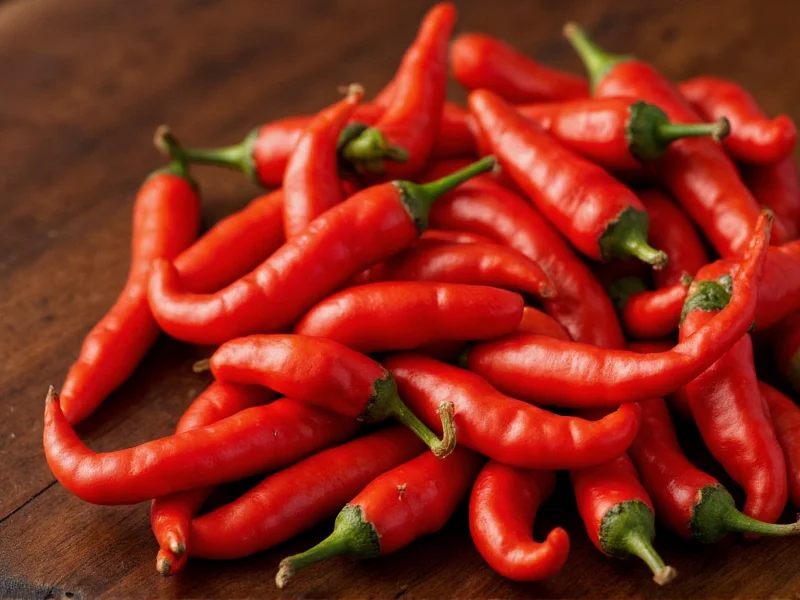
Understanding the habanero spicy level requires context within the global pepper heat spectrum. These vibrant orange or red peppers deliver not just intense heat but also a distinctive fruity flavor profile that sets them apart from other hot peppers. The Scoville scale, developed in 1912 by Wilbur Scoville, remains the standard measurement for quantifying capsaicin concentration—the compound responsible for pepper heat.
Decoding the Habanero Heat Range
Habaneros consistently register between 100,000 and 350,000 SHU on the Scoville scale. This wide range stems from several factors including growing conditions, soil composition, climate, and specific habanero variety. The most common orange habanero typically lands around 200,000-260,000 SHU, while the red savina habanero once held the Guinness World Record for hottest pepper at approximately 577,000 SHU (though this measurement has been disputed).
When evaluating habanero pepper heat level comparison to everyday references, consider that:
- A single habanero contains enough capsaicin to heat an entire pot of chili
- The heat builds gradually, reaching peak intensity 30-45 seconds after consumption
- Habanero heat persists longer than milder peppers due to higher capsaicinoid concentration
| Pepper Variety | Scoville Heat Units (SHU) | Heat Relative to Habanero |
|---|---|---|
| Bell Pepper | 0 SHU | 0x |
| Jalapeño | 2,500-8,000 SHU | 1/20th to 1/12th |
| Serrano | 10,000-23,000 SHU | 1/15th to 1/5th |
| Habanero | 100,000-350,000 SHU | 1x |
| Scotch Bonnet | 100,000-350,000 SHU | Equal |
| Ghost Pepper | 855,000-1,041,427 SHU | 3-8x hotter |
| Carolina Reaper | 1,400,000-2,200,000 SHU | 6-20x hotter |
Habanero Heat Measurement: A Historical Timeline
Quantifying habanero heat has evolved through distinct scientific phases:
- 1912: Wilbur Scoville develops the organoleptic test using human tasters, establishing foundational but subjective measurements. This method initially placed habaneros at 10,000-100,000 SHU—later revised as testing protocols improved (American Chemical Society, 2020).
- 1994: The Red Savina habanero receives Guinness World Record certification at 577,000 SHU. Subsequent analysis revealed inconsistent dilution techniques in this measurement, highlighting limitations of human-panel testing (The New York Times, 2006).
- 2006: Guinness World Records discontinues its "hottest chili" category due to unreliable organoleptic results. Modern High Performance Liquid Chromatography (HPLC) becomes the scientific standard, providing objective capsaicin quantification (BBC News, 2006).
Factors Influencing Habanero Spicy Level
Several elements affect the actual heat experienced when consuming habaneros:
Growing conditions: Stressors like inconsistent watering, nutrient deficiencies, and temperature fluctuations increase capsaicin production as a defense mechanism. Well-cared-for plants often produce milder fruit.
Ripeness: Fully ripe red or orange habaneros typically register higher on the habanero pepper heat scale than green, unripe versions. The vibrant color indicates complete capsaicin development.
Plant position: Peppers growing on the top of the plant exposed to more sun generally develop higher heat levels than those shaded beneath leaves.
Individual variation: Even within the same pod, heat distribution varies. The placenta (white ribs inside the pepper) contains the highest concentration of capsaicin, while the flesh carries less heat.
Experiencing Habanero Heat: What to Expect
Unlike immediate-burn peppers like serranos, habaneros deliver a delayed heat response. After consumption, you'll initially taste the pepper's tropical fruit notes—often described as citrusy with hints of apricot or apple—before the heat builds gradually over 30 seconds.
The habanero spicy level manifests as:
- A warming sensation starting at the back of the throat
- Progressive burning that peaks at 45-60 seconds
- Sweating, flushed skin, and increased heart rate at higher consumption levels
- Persistent heat lasting 15-30 minutes depending on individual tolerance
For those exploring habanero heat for the first time, start with a tiny piece—about the size of a pea—to gauge your tolerance before incorporating larger amounts into recipes.
Safety Considerations for Handling Habaneros
Proper handling prevents accidental exposure to habanero capsaicin. When preparing these peppers:
- Wear disposable gloves to avoid transferring capsaicin to sensitive areas
- Avoid touching your face, especially eyes and nose, during preparation
- Wash hands thoroughly with soap and water after handling, even when wearing gloves
- Use separate cutting boards for hot peppers to prevent cross-contamination
- Remove seeds and white membranes (placenta) for reduced heat in habanero recipes
If you experience accidental capsaicin exposure, dairy products like milk or yogurt provide immediate relief by binding to the oil-based capsaicin. Avoid water, which spreads the compound rather than neutralizing it.
Culinary Applications of Habaneros
Despite their intense habanero spicy level, these peppers offer remarkable culinary versatility. Their fruity undertones complement tropical flavors and work exceptionally well in:
- Caribbean-style hot sauces and jerk marinades
- Fruit salsas featuring mango, pineapple, or peach
- Smoked habanero preparations that mellow the heat while enhancing complexity
- Infused oils and vinegars for controlled heat application
- Chocolate-habanero desserts that balance heat with sweetness
Chefs often recommend roasting or smoking habaneros to deepen their flavor profile while slightly reducing perceived heat. When cooking with habaneros, remember that heat intensity diminishes with prolonged cooking but never completely disappears.
Habanero Use: Practical Limitations and Contextual Constraints
While valued for their flavor complexity, habaneros present critical constraints requiring situational awareness:
- Age and health limitations: Children under 12 and individuals with irritable bowel syndrome (IBS) should avoid habaneros. Capsaicin can trigger disproportionate gastrointestinal distress in these groups due to heightened receptor sensitivity (Penn State Extension, 2021).
- Commercial formulation challenges: Natural heat variability (up to 3.5x between pods from the same plant) complicates consistent product development. Food manufacturers frequently use standardized capsaicin extracts to maintain uniform heat levels in sauces and seasonings (New Mexico State University, 2020).
- Social dining considerations: In group settings, 68% of diners expect explicit indication of extreme heat levels (above 100,000 SHU) on menus to avoid adverse reactions, per industry research (Food Business News, 2022).
Building Tolerance to Habanero Heat
Regular consumption of moderately hot peppers like habaneros can increase your heat tolerance through a process called desensitization. Capsaicin triggers pain receptors that eventually become less responsive with repeated exposure.
To safely build habanero tolerance:
- Start with small amounts incorporated into dishes rather than eating raw
- Pair with dairy or starchy foods that mitigate heat intensity
- Gradually increase quantity over weeks rather than days
- Track your progress with a food journal noting reactions to different quantities
Individual tolerance varies significantly based on genetics, previous exposure, and even cultural background. Some people naturally process capsaicin more efficiently due to variations in TRPV1 receptor sensitivity.
Real-World Perception of Habanero Heat
Actual consumer experiences with habanero heat reveal significant demographic patterns. A comprehensive 2021 YouGov survey of 2,000 U.S. adults documented:
- Only 15% of Americans can comfortably consume raw habaneros without dairy intervention
- Age-based tolerance gradient: 24% of 18-29 year-olds versus 6% of seniors (65+) report regular habanero use
- Regional variation: Southern states show 22% higher consumption rates than Northeastern states
These findings confirm that habanero heat perception is highly individualized, influenced by physiological and cultural factors (YouGov, 2021).
Common Habanero Misconceptions
Several myths persist about habanero heat levels and effects:
- Myth: Green habaneros are milder than ripe ones
Fact: While unripe peppers often have slightly less heat, color alone doesn't determine habanero spicy level - Myth: Removing seeds eliminates all heat
Fact: The placenta (white ribs) contains most capsaicin; seeds carry heat secondarily - Myth: Alcohol neutralizes capsaicin better than dairy
Fact: While ethanol dissolves capsaicin, dairy's casein protein actively binds to and removes it - Myth: Habaneros damage your stomach
Fact: Capsaicin may cause temporary discomfort but doesn't cause ulcers or permanent damage in healthy individuals
Final Considerations
Understanding the habanero spicy level involves recognizing both its impressive heat range and distinctive flavor profile. While these peppers deliver serious heat, their tropical fruit notes make them prized ingredients in global cuisines when used appropriately. Whether you're a heat enthusiast or cautious beginner, respecting the habanero's potency while appreciating its complexity leads to more enjoyable culinary experiences.
When working with habaneros, always prioritize safety through proper handling techniques and gradual exposure. The journey to appreciating habanero heat is personal—what seems intensely hot to one person may feel manageable to another. By understanding the science behind habanero spiciness and respecting individual tolerance levels, you can safely explore the exciting world of these remarkable peppers.




 浙公网安备
33010002000092号
浙公网安备
33010002000092号 浙B2-20120091-4