
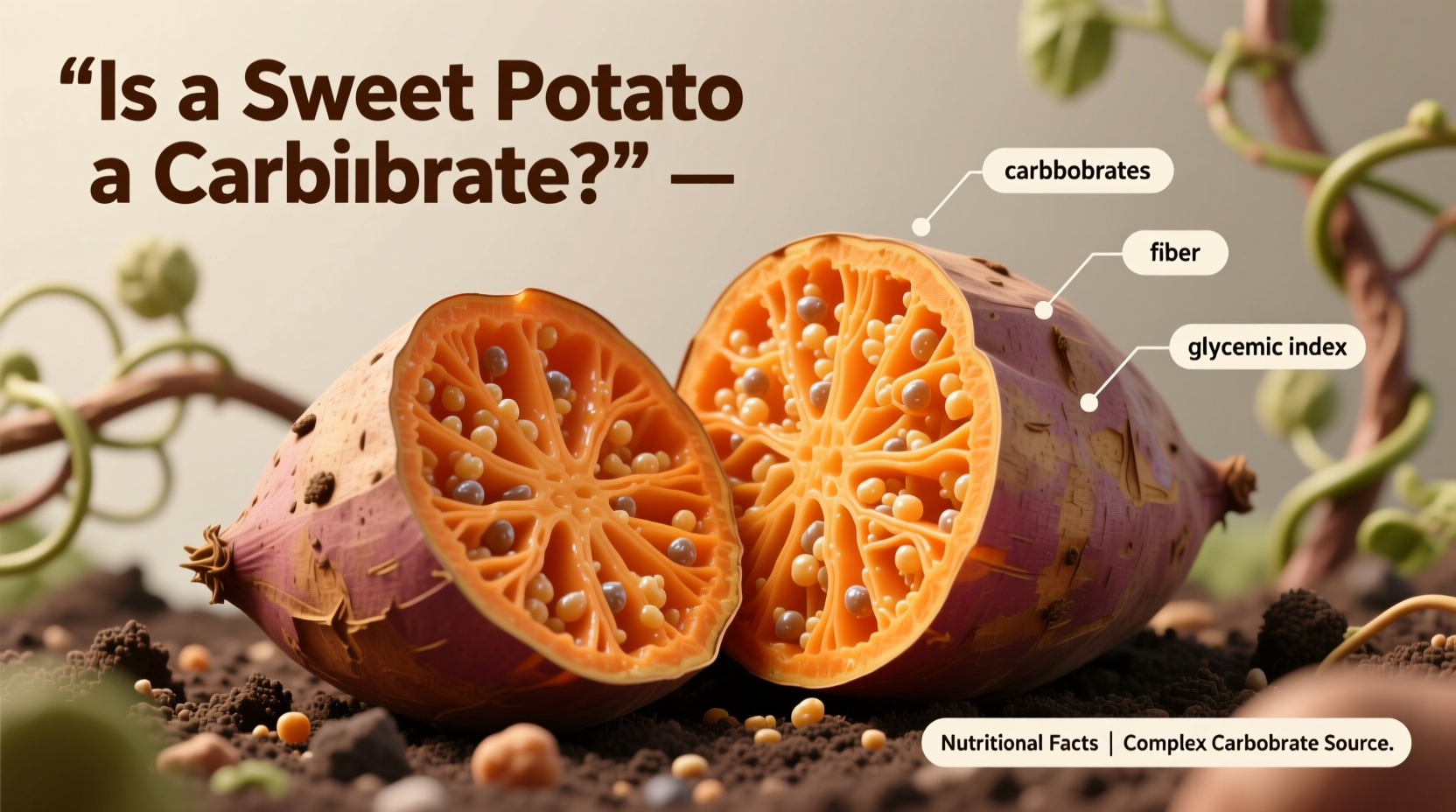
Yes, a sweet potato is primarily a carbohydrate. Approximately 20-25% of a raw sweet potato's composition consists of carbohydrates, making it a significant source of complex carbs in the diet. This starchy root vegetable provides about 27 grams of carbohydrates per 100 grams, mostly in the form of starches and natural sugars, along with valuable fiber that supports digestive health and blood sugar management.
Understanding whether sweet potatoes qualify as carbohydrates matters for anyone tracking their nutrition, managing diabetes, or following specific dietary plans. This comprehensive guide breaks down the carbohydrate composition of sweet potatoes, explains how they compare to other carb sources, and provides practical guidance for incorporating them into various eating patterns.
What Makes Sweet Potatoes a Carbohydrate Source
Sweet potatoes fall squarely in the carbohydrate food group due to their macronutrient composition. Unlike non-starchy vegetables like broccoli or spinach, sweet potatoes contain substantial amounts of starch—the plant's energy storage form of carbohydrate. When you consume sweet potatoes, your body breaks down these complex carbohydrates into glucose, which serves as your primary energy source.
The carbohydrate content in sweet potatoes consists of three main components:
- Starch (the predominant form, making up about 50-70% of total carbs)
- Sugars (naturally occurring sucrose, glucose, and fructose)
- Dietary fiber (including both soluble and insoluble varieties)
Unlike refined carbohydrates such as white bread or sugary snacks, sweet potatoes deliver these carbohydrates alongside essential vitamins, minerals, and antioxidants—particularly beta-carotene, which gives orange varieties their distinctive color.
Sweet Potato Nutrition Profile: Beyond Just Carbs
While carbohydrates dominate sweet potato's nutritional profile, these versatile root vegetables offer much more than just energy. Let's examine the complete nutritional picture based on data from the USDA FoodData Central database:
| Nutrient | Per 100g Raw | Per Medium Sweet Potato (130g) |
|---|---|---|
| Calories | 86 kcal | 112 kcal |
| Total Carbohydrates | 20.1 g | 26.1 g |
| Dietary Fiber | 3.0 g | 3.9 g |
| Sugars | 4.2 g | 5.5 g |
| Protein | 1.6 g | 2.1 g |
| Fat | 0.1 g | 0.1 g |
| Vitamin A (RAE) | 709 μg | 922 μg |
| Vitamin C | 2.4 mg | 3.1 mg |
This nutritional profile shows why sweet potatoes stand out among carbohydrate sources. The significant fiber content (nearly 15% of your daily needs in one medium potato) helps moderate blood sugar response compared to refined carbohydrates. The high vitamin A content—primarily as beta-carotene—provides powerful antioxidant benefits that support immune function and eye health.

How Sweet Potatoes Compare to Other Carbohydrate Sources
Not all carbohydrates affect your body the same way. Understanding where sweet potatoes fit within the carbohydrate spectrum helps you make informed dietary choices. Here's how they compare to other common carbohydrate sources:
- Glycemic Index Comparison: Sweet potatoes have a moderate glycemic index (GI) of approximately 44-61 depending on preparation method, significantly lower than white potatoes (GI 70-85) and white bread (GI 70-85). This means they cause a slower, more gradual rise in blood sugar levels.
- Fiber Advantage: With 3.9 grams of fiber per medium sweet potato, they outperform many other starchy foods. For comparison, a slice of white bread contains only about 0.6 grams of fiber.
- Nutrient Density: Unlike refined carbohydrates that provide "empty calories," sweet potatoes deliver substantial vitamins and minerals per calorie. One medium sweet potato provides more than 400% of your daily vitamin A needs.
The American Diabetes Association recognizes sweet potatoes as a diabetes-friendly carbohydrate choice when prepared appropriately (baked or boiled rather than fried). Their complex carbohydrate structure and high fiber content make them a superior option compared to many other starchy foods.
Practical Guidance for Different Dietary Needs
Whether you're managing blood sugar, following a specific diet, or simply trying to eat healthier, understanding how to incorporate sweet potatoes can make a difference in your nutritional outcomes.
For Blood Sugar Management
If you're monitoring carbohydrate intake for diabetes or prediabetes, sweet potatoes can still be part of your diet with proper portion control. A standard carbohydrate serving contains about 15 grams of carbs. For sweet potatoes, this equals approximately 1/3 of a medium potato (45g). Pairing sweet potatoes with protein and healthy fats further slows carbohydrate digestion and minimizes blood sugar spikes.
For Weight Management
Despite being a carbohydrate source, sweet potatoes can support weight management goals due to their high fiber content and nutrient density. The fiber promotes satiety, helping you feel full longer on fewer calories. Research published in the Journal of Nutrition and Metabolism indicates that the resistant starch in sweet potatoes may support healthy gut bacteria and improve metabolic health.
For Athletes and Active Individuals
Athletes often seek complex carbohydrates for sustained energy. Sweet potatoes provide an excellent pre-workout fuel source with their combination of complex carbs and potassium, which supports muscle function. Many sports nutritionists recommend sweet potatoes as a healthier alternative to traditional sports foods for endurance athletes.
Common Misconceptions About Sweet Potatoes and Carbs
Several myths persist about sweet potatoes and their carbohydrate content. Let's clarify these misconceptions with evidence-based information:
- Misconception: Sweet potatoes are not carbohydrates because they're vegetables
Reality: While sweet potatoes are botanically classified as vegetables, nutritionally they function as carbohydrate sources due to their starch content. This dual classification confuses many people.
- Misconception: All carbohydrates are bad for weight loss
Reality: Quality carbohydrates like those in sweet potatoes provide essential energy and nutrients. The key is choosing complex carbs over refined ones and managing portion sizes.
- Misconception: Sweet potatoes and yams are the same thing
Reality: In the United States, what's commonly labeled as "yams" are actually sweet potatoes. True yams are a different plant species with even higher starch content. This labeling confusion affects how people perceive sweet potato nutrition.
Understanding these distinctions helps you make more informed choices about incorporating sweet potatoes into your diet based on your specific nutritional needs and goals.
Maximizing Sweet Potato Benefits Through Preparation
How you prepare sweet potatoes significantly impacts their nutritional value and how your body processes their carbohydrates:
- Cooling after cooking: Allowing cooked sweet potatoes to cool increases their resistant starch content, which functions like fiber and has minimal impact on blood sugar.
- Pairing with healthy fats: Consuming sweet potatoes with a source of healthy fat (like olive oil or avocado) enhances absorption of fat-soluble vitamins like vitamin A.
- Avoiding excessive added sugars: While sweet potato casserole with marshmallows might be delicious, it transforms a healthy carbohydrate source into a high-sugar treat. Stick to natural preparation methods for maximum health benefits.
The Academy of Nutrition and Dietetics recommends boiling sweet potatoes as the preparation method that best preserves their antioxidant content, though baking develops richer flavor. Steaming offers a good middle ground for nutrient retention and taste.
Historical Context: Sweet Potatoes Through Time
Sweet potatoes have served as a vital carbohydrate source for civilizations throughout history. Archaeological evidence shows sweet potatoes were cultivated in Peru as early as 8000 BCE. When Spanish explorers brought them to Europe in the 15th century, they quickly spread worldwide due to their nutritional value and adaptability to various growing conditions.
During World War II, sweet potatoes became a critical food source in the United States as part of the victory garden movement, providing essential carbohydrates and vitamins when other foods were rationed. This historical context explains why sweet potatoes remain a staple food in many cultures worldwide—they offer reliable nutrition in challenging conditions.




 浙公网安备
33010002000092号
浙公网安备
33010002000092号 浙B2-20120091-4