
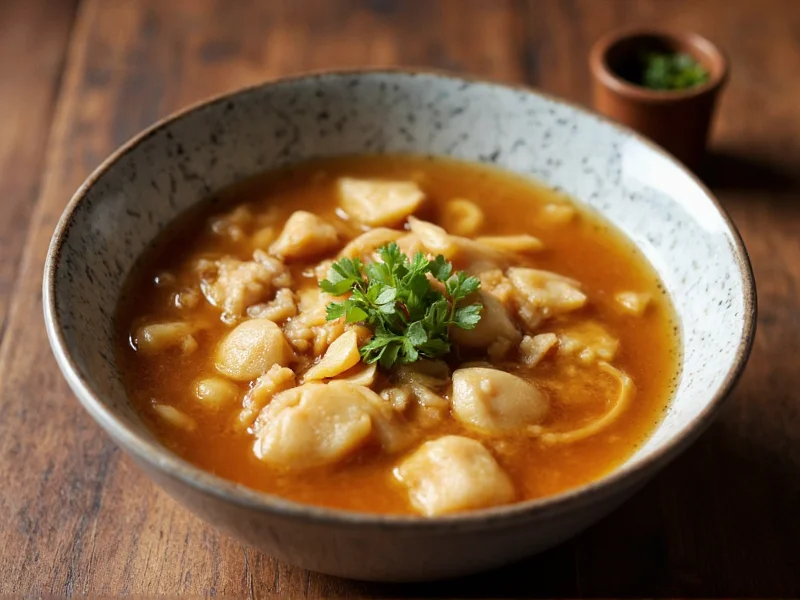
Instant miso soup delivers authentic Japanese flavors through convenient single-serve packets or ready-to-mix jars containing fermented soybean paste blended with dashi elements. This modern adaptation preserves the traditional soup's nutritional profile while eliminating the preparation complexity of mixing separate miso paste and dashi broth. Most instant varieties maintain live probiotics when prepared correctly with water below boiling point, offering digestive benefits alongside the signature umami taste.
What Makes Instant Miso Soup Different From Traditional Preparation
Traditional miso soup requires combining high-quality miso paste with homemade dashi broth made from kombu (kelp) and katsuobushi (dried bonito flakes). The careful temperature control prevents killing beneficial enzymes in the miso. Instant versions solve this challenge through specialized processing that stabilizes the fermented components while maintaining flavor integrity. Modern production methods use freeze-drying or careful pasteurization to preserve probiotic cultures in many premium instant formulations.
Nutritional Profile and Health Considerations
Quality instant miso soup typically contains 30-50 calories per serving with 2-4 grams of protein. The fermentation process creates beneficial compounds including:
- Naturally occurring probiotics supporting gut health
- Vitamin K2 essential for bone metabolism
- Complete amino acid profile from fermented soybeans
- Minerals like manganese and zinc
When evaluating instant miso soup nutrition facts, check sodium content which ranges from 400-800mg per serving. Lower-sodium varieties now available maintain flavor through umami enhancement rather than excessive salt. The best instant miso soup packets use non-GMO soybeans and avoid artificial preservatives while preserving live cultures.
Proper Preparation Techniques for Optimal Results
Many people make the critical mistake of adding instant miso soup powder to boiling water, which destroys delicate probiotics and creates unpleasant bitterness. Follow these steps for authentic results:
- Heat water to 160-175°F (70-80°C) - just below simmering
- Pour hot water directly over miso powder in your bowl
- Whisk gently until fully dissolved (avoid vigorous stirring)
- Add optional ingredients like tofu or green onions after mixing
| Preparation Mistake | Correct Technique | Resulting Improvement |
|---|---|---|
| Using boiling water | Water at 160-175°F | Preserves probiotics, prevents bitterness |
| Mixing powder first | Water poured over powder | Prevents clumping, ensures smooth texture |
| Adding seaweed early | Adding wakame after dissolving | Maintains delicate texture and nutrients |
Creative Uses Beyond Basic Soup Preparation
Instant miso soup packets offer culinary versatility that many home cooks overlook. The best way to use instant miso soup packets extends far beyond simple soup:
- Marinades: Dissolve one packet in ¼ cup warm water for fish or chicken marinade
- Sauces: Whisk into salad dressings or stir-fry sauces for umami depth
- Grain enhancer: Stir into cooked rice or quinoa during final fluffing
- Stew booster: Add to vegetable soups for instant flavor complexity
- Dipping sauce: Mix with rice vinegar and sesame oil for dumpling dipping
Storage and Shelf Life Guidelines
Proper storage maintains both flavor and nutritional value of instant miso soup products. Unopened packets typically remain viable for 12-18 months when stored in cool, dark places. Once opened, transfer unused portions to airtight containers and refrigerate for up to 3 weeks. Avoid moisture exposure which causes clumping and degrades the fermented components. For longest shelf life, consider transferring bulk powder to vacuum-sealed containers with oxygen absorbers.
Understanding Quality Indicators
Not all instant miso soup varieties deliver equal quality. Look for these markers of authentic, nutritious products:
- Short ingredient list focusing on fermented soybeans, rice koji, and sea salt
- Absence of MSG or artificial flavor enhancers
- Non-GMO certification for soy components
- Presence of live probiotic cultures (check packaging)
- Lower sodium options (under 600mg per serving)
Higher quality instant miso soup maintains the complex flavor profile of traditionally made versions through careful processing that preserves enzymatic activity. The best instant miso soup for health-conscious consumers balances convenience with nutritional integrity through minimal processing and transparent ingredient sourcing.
Common Preparation Mistakes to Avoid
Even experienced cooks make critical errors when preparing instant miso soup. The most frequent issues include:
- Overheating: Boiling water destroys beneficial enzymes and creates bitter compounds
- Incorrect ratios: Too much powder creates overpowering saltiness
- Poor mixing: Adding powder to cold water causes irreversible clumping
- Early ingredient addition: Adding delicate components like wakame before dissolving miso
Mastering the proper technique for instant miso soup preparation ensures you receive both the authentic flavor experience and maximum nutritional benefits from this convenient Japanese staple.
Does instant miso soup contain probiotics?
Yes, quality instant miso soup maintains live probiotics when prepared correctly with water below 175°F. The fermentation process creates beneficial bacteria that survive in properly processed instant varieties, though boiling water will destroy these cultures.
How can I reduce sodium in instant miso soup?
Use only half the recommended powder amount and supplement with additional hot water. Look for specifically labeled low-sodium varieties which typically contain 30-40% less salt while maintaining flavor through umami enhancement techniques.
Can instant miso soup replace traditional miso paste?
Yes, instant miso soup packets work as miso paste substitutes in recipes when dissolved in minimal water first. Use one packet (about 25g) dissolved in 2 tablespoons hot water to replace 1 tablespoon traditional miso paste in marinades, sauces, and dressings.
Why does my instant miso soup taste bitter?
Bitterness occurs when instant miso soup is prepared with boiling water, which destroys delicate compounds. Always use water between 160-175°F (70-80°C) and avoid vigorous stirring to maintain balanced flavor. Check expiration dates as stale products also develop bitter notes.
How long does prepared instant miso soup last?
Freshly prepared instant miso soup should be consumed within 2 hours at room temperature. Refrigerated leftovers maintain quality for 24-48 hours when stored in airtight containers, though probiotic activity decreases over time. Reheat gently without boiling to preserve beneficial components.




 浙公网安备
33010002000092号
浙公网安备
33010002000092号 浙B2-20120091-4