
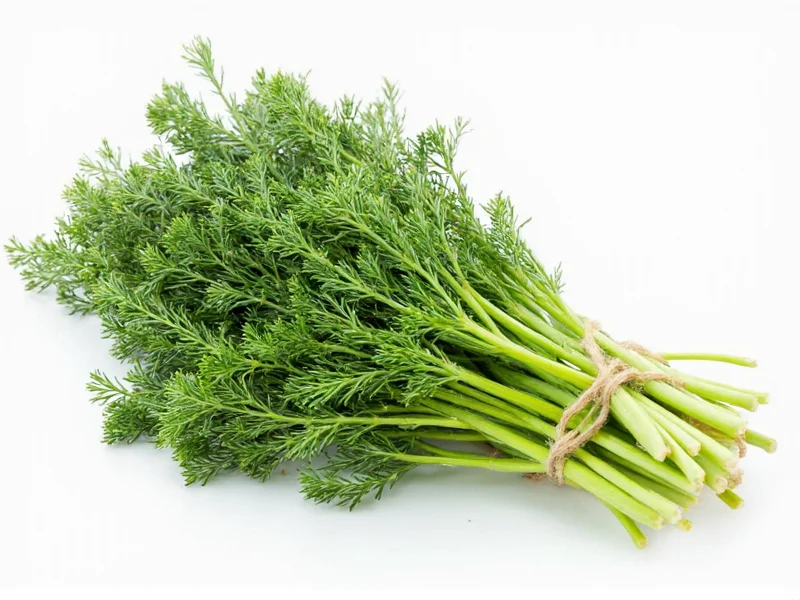
The best substitutes for fresh dill are tarragon (for similar anise-like flavor), fennel fronds (for texture and mild licorice notes), and dill weed (dried dill). For most recipes, use 1 teaspoon dried dill or 1 tablespoon fresh tarragon or fennel fronds to replace 1 tablespoon fresh dill. Cilantro works well in salads and dressings, while dill pickles or pickle juice can provide authentic dill flavor in dips and sauces.
When your recipe calls for dill but your herb garden or pantry comes up short, knowing the right substitute can save your dish from disappointment. Dill's unique flavor profile—fresh, slightly sweet with grassy and anise-like notes—makes it a staple in many cuisines, particularly Scandinavian, Eastern European, and Mediterranean cooking. Understanding what makes dill special helps you choose the most appropriate replacement for your specific culinary needs.
Understanding Dill's Unique Flavor Profile
Fresh dill (Anethum graveolens) offers a distinctive combination of flavors that's simultaneously grassy, citrusy, and slightly sweet with subtle licorice undertones. The delicate feathery fronds provide both flavor and visual appeal to dishes. When substituting, consider whether your recipe needs dill primarily for:
- Flavor contribution (most important in sauces, dressings, and marinades)
- Visual presentation (critical in garnishes and fresh salads)
- Specific chemical properties (essential in pickling recipes)
Top 8 Substitutes for Dill: When and How to Use Them
Not all dill alternatives work equally well in every application. The best substitute depends on your specific recipe and what aspect of dill you're trying to replicate.
1. Tarragon (Best Overall Substitute)
Fresh tarragon shares dill's subtle anise notes while offering a more complex flavor profile with hints of vanilla. It works particularly well as a dill substitute for fish recipes and in creamy sauces. Use 1:1 ratio for fresh applications, but reduce slightly if your recipe already contains other strong flavors. Tarragon holds up better to cooking than dill, making it ideal for baked fish dishes where dill would lose its delicate flavor.
2. Fennel Fronds (Best Texture Match)
The feathery green tops of fennel bulbs provide both visual similarity and complementary flavor to dill. While fennel has a stronger licorice flavor, it works beautifully as a dill replacement in salads, seafood dishes, and vegetable preparations. Use 1:1 ratio, but remember that fennel fronds have more pronounced flavor, so you may want to use slightly less in delicate applications like tzatziki sauce.
3. Dill Weed (Dried Dill)
When fresh dill isn't available, dried dill (often labeled as dill weed) provides the most authentic flavor replacement. Use 1 teaspoon dried dill to replace 1 tablespoon fresh dill. Dill weed works best in cooked dishes like soups, stews, and casseroles where the dried herb has time to rehydrate and release its flavor. It's not ideal for fresh applications like salads where texture matters.
4. Parsley (Best Mild Substitute)
Flat-leaf (Italian) parsley offers a neutral green herb flavor that won't overpower your dish when dill's specific flavor isn't critical. It works well as a visual substitute in potato salad and as a garnish. Use 1:1 ratio, but understand that parsley lacks dill's distinctive flavor notes. Curly parsley provides similar visual appeal but has even milder flavor.
5. Cilantro (Best for Salads and Dressings)
While not flavor-matched, cilantro's bright, citrusy notes can work surprisingly well as a dill substitute in fresh applications like cucumber salad and dressings. Use slightly less cilantro than dill called for (about 3:4 ratio) as it has stronger flavor. This substitution works best in recipes where dill plays a supporting rather than starring role.
6. Basil (Unexpected but Effective)
Surprisingly, sweet basil can work as a dill substitute in certain applications, particularly in Mediterranean dishes and tomato-based salads. The key is using young, tender basil leaves which have milder flavor. Substitute at 3:4 ratio (¾ cup basil for 1 cup dill) and chop finely to approximate dill's delicate texture.
7. Caraway Seeds (For Pickling Applications)
When dill is essential for pickling recipes, caraway seeds provide similar chemical properties that help with preservation while delivering complementary flavor. Use ½ teaspoon caraway seeds to replace 1 tablespoon fresh dill in pickling brines. Combine with fennel fronds for best results in dill pickle alternatives.
8. Dill Pickles or Pickle Juice (Sauce and Dip Solution)
For recipes like ranch dressing or dip recipes where dill flavor is critical but texture isn't, finely chopped dill pickles or a splash of pickle juice can provide authentic dill flavor. Use 1 tablespoon finely chopped dill pickle or 1-2 teaspoons pickle juice to replace 1 tablespoon fresh dill in creamy sauces and dressings.
| Substitute | Best Used In | Substitution Ratio | Flavor Notes |
|---|---|---|---|
| Tarragon (fresh) | Fish, sauces, dressings | 1:1 | Stronger anise notes, more complex |
| Fennel fronds | Salads, seafood, vegetables | 1:1 (use slightly less) | More pronounced licorice flavor |
| Dill weed (dried) | Cooked dishes, soups, stews | 1 tsp dried = 1 tbsp fresh | Less bright, earthier flavor |
| Parsley | Garnishes, potato salad | 1:1 | Much milder, no distinctive notes |
| Cilantro | Cucumber salad, dressings | ¾:1 | Bright citrus notes instead of anise |
Substituting Dill by Dish Type
Fish and Seafood Dishes
For baked or grilled fish, tarragon provides the closest flavor match to dill while holding up better to heat. When making gravlax or other cured fish preparations, fennel fronds work beautifully as both visual and flavor substitute. In fish sauces and tartar sauce, consider using a combination of parsley and a small amount of dried dill to approximate the flavor profile.
Salads and Dressings
For cucumber salad or potato salad, fennel fronds offer the best visual and flavor substitute. In creamy dressings like tzatziki, consider using a combination of parsley and a small amount of dried dill or dill pickle juice to maintain the characteristic flavor without overwhelming the dish.
Pickling Recipes
When dill is essential for traditional dill pickles, the best approach is to use caraway seeds combined with fennel fronds. The caraway provides similar chemical properties for preservation while delivering complementary flavor. For refrigerator pickles where preservation isn't critical, fresh tarragon can work surprisingly well as a dill alternative.
Dried vs. Fresh Substitutes: What You Need to Know
Understanding the differences between dried and fresh herb substitutes is crucial for successful substitution. Dried herbs generally have more concentrated flavor but lack the bright, grassy notes of fresh herbs. When substituting dried for fresh:
- Use ⅓ the amount of dried herb compared to fresh
- Add dried herbs early in cooking to allow rehydration
- Reserve fresh substitutes for finishing dishes
- Consider adding a squeeze of lemon to dried herb substitutions to mimic fresh herb brightness
Common Substitution Mistakes to Avoid
Even with the right substitute, improper usage can ruin your dish. Avoid these common pitfalls:
- Over-substituting - Don't use full amount of stronger substitutes like tarragon
- Ignoring timing - Adding delicate substitutes at wrong cooking stage
- Mixing incompatible flavors - Combining multiple strong substitutes
- Not adjusting for moisture - Using pickle juice without reducing other liquids
Creating Your Own Dill Substitute Blend
For recipes where dill plays a starring role, consider creating a custom blend:
- For fresh applications: 2 parts parsley + 1 part tarragon + small pinch of caraway
- For cooked dishes: 2 parts dried dill weed + 1 part dried tarragon + pinch of fennel seed
- For pickling: fennel fronds + caraway seeds + mustard seed
This approach gives you more control over the final flavor profile than relying on a single substitute.
FAQ: Common Questions About Dill Substitutes
Can I use dill seed instead of fresh dill?
Dill seed has a stronger, more pungent flavor than fresh dill and works best in pickling or bread recipes. Use ½ teaspoon dill seed to replace 1 tablespoon fresh dill, but avoid in delicate applications like salads or sauces where the seed's texture and intense flavor would be overpowering.
What's the best dill substitute for tzatziki sauce?
For tzatziki, the best dill substitute is a combination of fresh parsley and a small amount of dried dill (¼ teaspoon) or 1 teaspoon of finely chopped dill pickle. This maintains the visual green color while providing similar flavor notes without overwhelming the delicate yogurt-cucumber balance.
How do I substitute dill in potato salad?
For potato salad, fresh tarragon or fennel fronds work best as dill substitutes. Use equal amounts of either herb, but remember to chop them finely to match dill's delicate texture. If using dried dill weed, rehydrate it first by mixing with a small amount of warm water or vinegar before adding to the salad.
Can I use anise or star anise as dill substitute?
Anise seeds or star anise provide strong licorice notes but lack dill's grassy freshness. Use sparingly—just a pinch of ground anise seed or a small piece of star anise steeped in warm ingredients—then removed before serving. This works best in cooked applications like soups or stews, not fresh dishes.
What's the difference between dill weed and dill seed?
Dill weed refers to the dried leaves of the dill plant and has a milder, grassier flavor similar to fresh dill. Dill seed comes from the plant's fruit and has a stronger, more pungent, slightly citrusy flavor with pronounced caraway notes. They are not interchangeable measure for measure—use 2-3 times more dill weed than dill seed in recipes.




 浙公网安备
33010002000092号
浙公网安备
33010002000092号 浙B2-20120091-4