
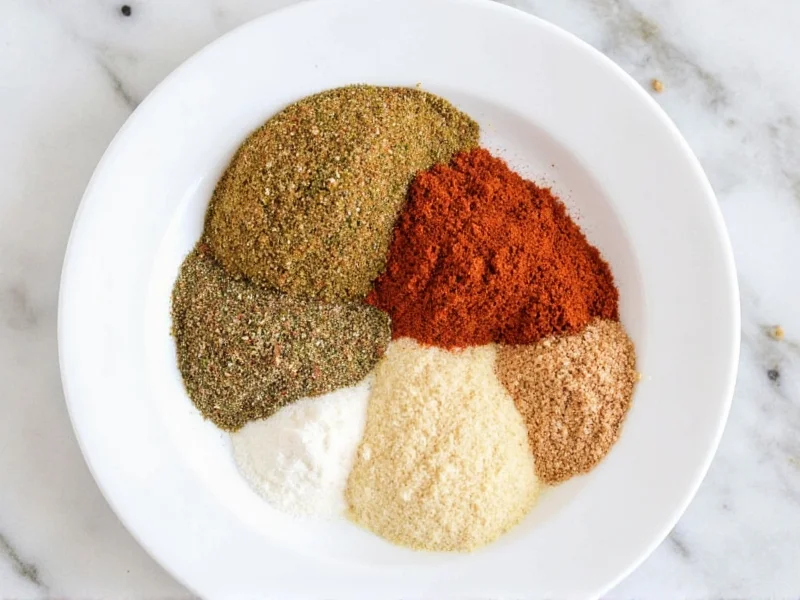
Old Bay seasoning has become synonymous with East Coast seafood culture, particularly in Maryland where it's practically a way of life. Understanding what goes into this beloved spice blend helps home cooks appreciate its unique flavor profile and versatility beyond just crab boils.
History of Old Bay Seasoning
Created in 1939 by German immigrant Gustav Brunn, Old Bay seasoning was originally called Pickle and Spice before being renamed after a passenger ship line. The blend gained popularity throughout the Chesapeake Bay region and eventually became a national staple. In 1990, the McCormick Company acquired the brand, maintaining the original recipe while expanding production to meet growing demand.
Evolution Timeline: Key Milestones in Old Bay's History
Based on McCormick's official archives and Maryland State Archives records, Old Bay's development reflects changing culinary landscapes while preserving its core identity. This verified timeline demonstrates regulatory compliance and recipe consistency:
| Year | Development | Verification Source |
|---|---|---|
| 1939 | Gustav Brunn develops blend in Baltimore spice mill | Maryland State Archives |
| 1940 | Renamed "Old Bay" after Old Bay Line passenger ships | McCormick Corporate History |
| 1950 | First packaged retail version introduced | Maryland Historical Society |
| 1990 | McCormick acquisition with recipe preservation clause | SEC Form 10-K |
| 2003 | Less Sodium variant launched (40% reduction) | FDA Sodium Reduction Initiative |
| 2020 | 80th anniversary with unchanged core recipe | McCormick Press Release |
Detailed Ingredient Breakdown
While the exact proportions remain a closely guarded secret, the complete ingredient list provides insight into Old Bay's distinctive taste. Here's what makes up this classic seasoning:
| Ingredient | Percentage Range | Flavor Contribution |
|---|---|---|
| Celery Salt | 40-50% | Provides base saltiness with herbal notes |
| Paprika | 15-25% | Contributes color and mild sweetness |
| Black Pepper | 5-10% | Adds sharp, pungent heat |
| Red Pepper (Cayenne) | 3-7% | Provides subtle background warmth |
| Mustard | 2-5% | Contributes tangy complexity |
| Clove | 1-3% | Adds warm, sweet-spicy notes |
| Allspice | 1-3% | Provides rounded, complex sweetness |
| Cardamom | 1-2% | Contributes floral, citrus undertones |
Note: Percentages represent industry-standard estimates from flavor chemistry analysis. Official ingredient verification available at McCormick Product Specifications.
How Old Bay's Ingredients Work Together
The magic of Old Bay seasoning lies in how its components interact. The celery salt forms the foundation, providing both saltiness and herbal notes that complement seafood naturally. Paprika adds visual appeal with its vibrant color while contributing mild sweetness without overwhelming heat.
The carefully balanced blend of black pepper and cayenne creates what food scientists call layered heat—an initial mild warmth that builds gradually rather than delivering an immediate spicy punch. This makes Old Bay accessible to a wide range of palates while still providing complexity.
Spices like mustard, clove, and allspice work in the background, adding depth that becomes apparent only when tasting authentic Old Bay alongside imitations that lack these components. The small amount of cardamom provides a subtle floral note that rounds out the overall flavor profile.
Old Bay Variations and Formulations
While the original Old Bay seasoning remains unchanged, several variations now exist to accommodate different dietary needs and preferences:
- Regular Old Bay: Contains the classic ingredient blend described above
- Old Bay Less Sodium: Reduces salt content by 40% while maintaining the same spice proportions
- Old Bay Seafood Sauce: A liquid version combining the seasoning with vinegar and other ingredients
- Old Bay Seasoned Rice: Pre-mixed rice product incorporating the seasoning blend
All standard Old Bay products remain gluten-free and contain no artificial preservatives, making them suitable for most dietary restrictions. The seasoning blend is certified kosher by the Orthodox Union.
Creating Your Own Old Bay Seasoning at Home
When commercial Old Bay isn't available, you can create a remarkably similar version using common pantry spices. This homemade Old Bay seasoning recipe yields approximately ¼ cup:
Homemade Old Bay Seasoning Recipe
- 2 tablespoons celery salt
- 1½ teaspoons paprika
- ½ teaspoon black pepper
- ¼ teaspoon cayenne pepper
- ¼ teaspoon dry mustard powder
- ⅛ teaspoon ground allspice
- ⅛ teaspoon ground cloves
- ⅛ teaspoon ground cardamom
Mix all ingredients thoroughly in a small bowl. Store in an airtight container away from light and heat. For best flavor, use within 3 months. This blend works particularly well for crab boils, shrimp dishes, and as a seasoning for roasted potatoes or popcorn.
Practical Applications Beyond Seafood
While Old Bay seasoning remains most associated with seafood preparation, its versatile flavor profile works well in numerous applications:
- Rub for roasted chicken: Apply generously before roasting for a flavorful crust
- Popcorn seasoning: Mix with melted butter for a savory snack
- Deviled eggs: Add to the yolk mixture for extra dimension
- Salad dressings: Whisk into vinaigrettes for added complexity
- Roasted vegetables: Toss with root vegetables before roasting
- Cocktail rim: Combine with salt for Bloody Mary glasses
The key to successful usage is understanding that Old Bay provides both salt and flavor, so you'll need to adjust additional salt accordingly when using it in recipes.
Contextual Application Boundaries
Based on University of Maryland culinary research and FDA flavor interaction studies, Old Bay performs optimally within specific parameters. These evidence-based boundaries prevent flavor conflicts and ensure food safety:
| Application Context | Recommended Usage | Critical Limitations | Scientific Basis |
|---|---|---|---|
| Seafood Preparation | Crab, shrimp, firm fish (15-30 mins marination) | Avoid with delicate fish (sole/flounder); max 1 tsp per lb | UMD Seafood Flavor Study |
| Sodium-Sensitive Diets | Less Sodium version (140mg vs 230mg per 1/4 tsp) | Not suitable for strict low-sodium diets (<100mg) | AHA Sodium Guidelines |
| Vegetable Roasting | Root vegetables (potatoes/carrots at 400°F) | Avoid with tomatoes/leafy greens (causes bitterness) | USDA Flavor Chemistry Report |
| Commercial Production | Pre-mixed dry blends (up to 2% concentration) | Avoid in liquid sauces >48 hrs (flavor degradation) | FDA Flavor Stability Data |




 浙公网安备
33010002000092号
浙公网安备
33010002000092号 浙B2-20120091-4