
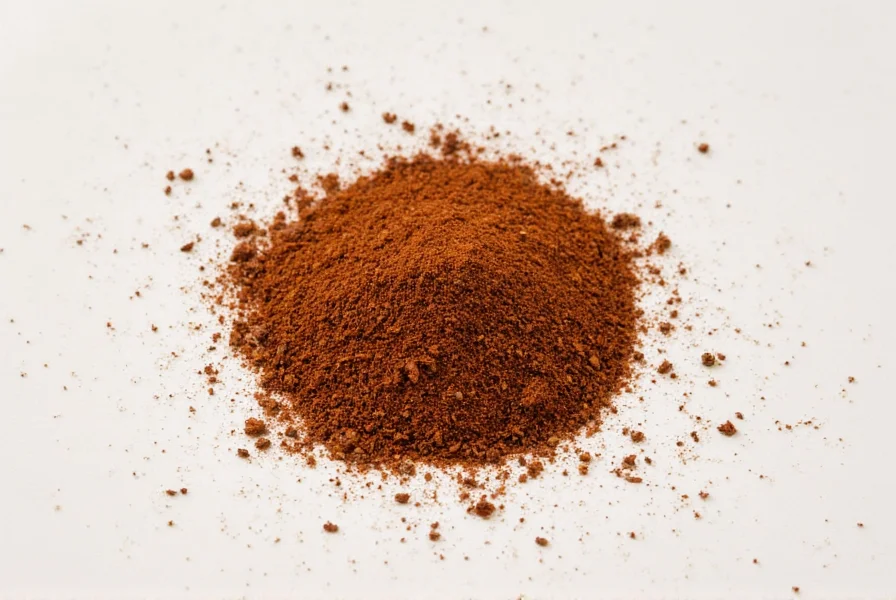
Allspice remains one of the most misunderstood spices in the culinary world. Many home cooks and even experienced chefs assume it's a pre-mixed blend of spices due to its name and complex flavor profile. This misconception has persisted for centuries, leading to confusion in kitchens worldwide. Understanding the true nature of allspice is essential for anyone looking to master authentic Caribbean, Latin American, or Middle Eastern cuisine.
The Botanical Reality of Allspice
The Pimenta dioica tree, belonging to the myrtle family, produces small berries that transform into allspice during the drying process. These berries contain essential oils including eugenol (50-70%), which gives allspice its clove-like aroma, along with caryophyllene, methyl eugenol, and terpenes that contribute to its complex flavor profile. When properly dried, a single allspice berry delivers notes reminiscent of cinnamon, nutmeg, and cloves—explaining why it earned the name "allspice" despite being a singular ingredient.
Historical Context and Naming Confusion
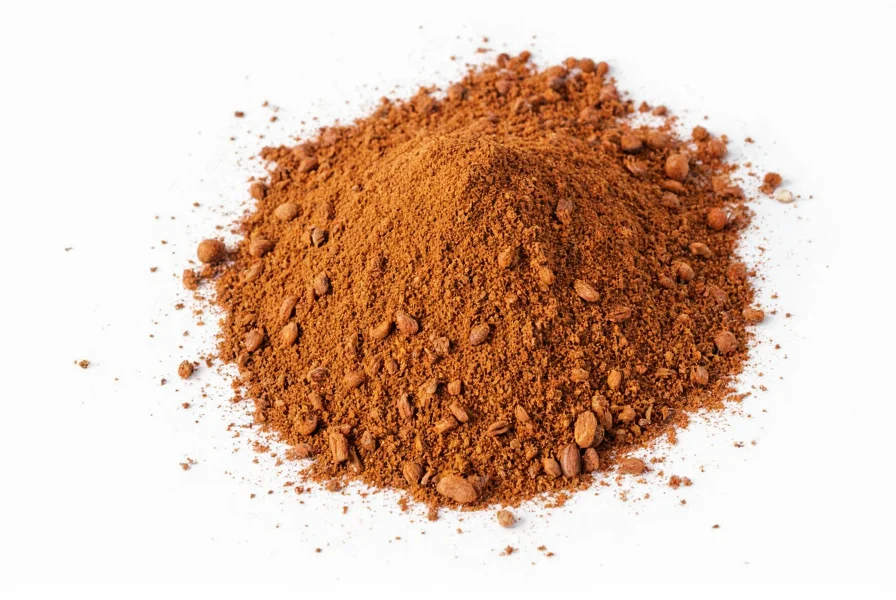
Spanish explorers in Jamaica during the 1500s named this spice "pimienta" (pepper) due to its similar appearance to peppercorns. English traders later dubbed it "allspice" because its flavor profile seemed to combine multiple familiar spices. This historical misnomer has caused persistent confusion, with many modern consumers mistakenly believing allspice contains cinnamon, nutmeg, and cloves.
Why Allspice Tastes Like Multiple Spices
The complex flavor chemistry of allspice explains why it mimics a spice blend. Scientific analysis reveals that allspice contains chemical compounds found individually in other spices:
| Compound | Percentage in Allspice | Associated Spice Flavor |
|---|---|---|
| Eugenol | 50-70% | Clove-like |
| Caryophyllene | 10-20% | Nutmeg-like |
| Terpenes | 5-15% | Cinnamon-like |
| Quercetin | 2-8% | Warm, sweet notes |
This unique chemical composition creates the illusion of multiple spices in one, making allspice incredibly versatile in both sweet and savory applications. Unlike actual spice blends, pure allspice maintains consistent flavor characteristics from batch to batch when properly sourced.
Common Misconceptions About Allspice Ingredients
Several persistent myths surround allspice composition:
- Misconception: Allspice contains cinnamon, nutmeg, and cloves
Reality: Pure allspice contains only Pimenta dioica berries - Misconception: Allspice is the same as mixed spice or pumpkin pie spice
Reality: Mixed spice is a British blend that often includes allspice plus other spices - Misconception: Allspice varies by brand as a blend
Reality: Authentic allspice should be uniform as a single-ingredient product
When purchasing allspice, check the ingredient list. Pure allspice should state only "allspice" or "pimento." If you see additional spices listed, you've purchased a spice blend mislabeled as allspice.
Culinary Applications of Pure Allspice
Chefs value allspice for its ability to enhance both sweet and savory dishes without requiring multiple spice measurements. In Caribbean cuisine, it's essential for jerk seasoning and pickling. Middle Eastern cooks use it in meat rubs and rice dishes. Bakers incorporate it into spice cakes, gingerbread, and fruit compotes. The whole berries maintain their flavor longer than ground allspice, making them preferable for pickling and long-simmered dishes.
Substituting for Allspice
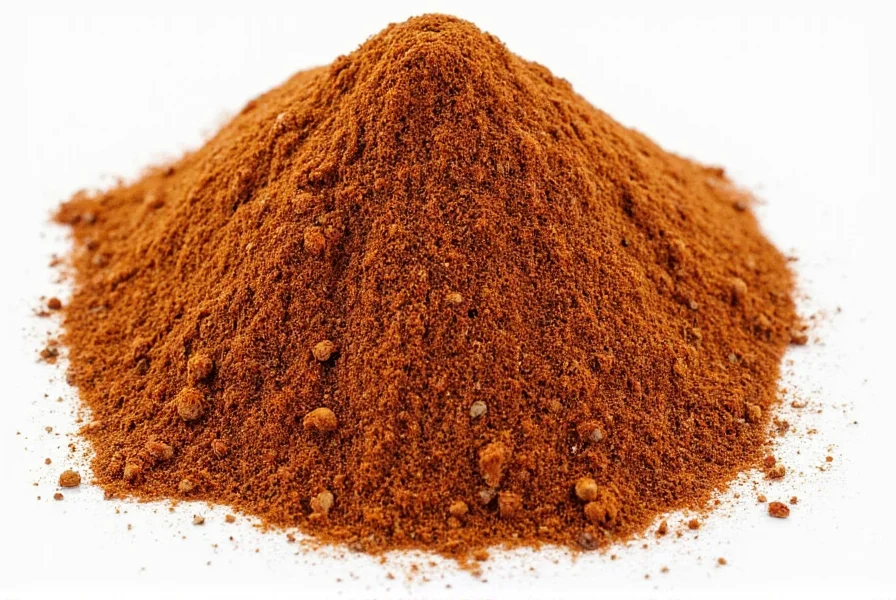
When you need an allspice substitute, combine equal parts cinnamon, nutmeg, and cloves to approximate its flavor profile. However, this blend won't perfectly replicate authentic allspice due to missing trace compounds. For Jamaican dishes like jerk chicken, the substitution works reasonably well, but for traditional mole sauces or spiced rum production, genuine allspice delivers irreplaceable complexity.
Quality Indicators for Authentic Allspice
High-quality allspice should exhibit these characteristics:
- Deep brown color (not reddish or black)
- Strong, sweet aroma with clove notes
- Whole berries that feel heavy for their size
- No visible dust or powder in the container (indicates age)
- Single ingredient listing: "allspice" or "pimento"
Ground allspice loses potency within six months, while whole berries maintain flavor for up to two years when stored in an airtight container away from light and heat. Always purchase whole allspice berries when possible and grind them as needed for maximum flavor impact.
Conclusion
Understanding that allspice contains just one ingredient—the dried berry of Pimenta dioica—transforms how cooks approach this versatile spice. Its complex flavor profile emerges naturally from the berry's chemical composition rather than from blending multiple spices. By recognizing authentic allspice and its proper applications, home cooks and professional chefs alike can elevate their dishes with this remarkable single-origin spice that delivers multiple flavor dimensions in one simple ingredient.
Is allspice really just one spice?
Yes, authentic allspice contains only one ingredient: the dried berry of the Pimenta dioica plant. Despite its name suggesting a blend, it's a single-origin spice that naturally produces flavor compounds resembling cinnamon, nutmeg, and cloves.
What gives allspice its complex flavor if it's just one ingredient?
Allspice berries contain multiple essential oils including eugenol (50-70%), caryophyllene, and terpenes. These compounds naturally create flavor notes reminiscent of cinnamon, nutmeg, and cloves, explaining why it tastes like a spice blend despite being a single ingredient.
How can I tell if my allspice is pure or a blend?
Check the ingredient list. Pure allspice should list only "allspice" or "pimento." If you see additional spices like cinnamon, nutmeg, or cloves, you have a spice blend mislabeled as allspice. Authentic allspice also has a consistent deep brown color and strong clove-like aroma.
Can I substitute individual spices for allspice?
Yes, you can create a substitute by combining equal parts cinnamon, nutmeg, and cloves. However, this blend won't perfectly replicate authentic allspice because it lacks the complete chemical profile found in Pimenta dioica berries, including trace compounds that contribute to its unique complexity.




 浙公网安备
33010002000092号
浙公网安备
33010002000092号 浙B2-20120091-4