
Yes, Calabrian chilies are moderately spicy, typically ranging from 25,000 to 45,000 Scoville Heat Units (SHU). This places them significantly hotter than jalapeños (2,500-8,000 SHU) but milder than cayenne peppers (30,000-50,000 SHU) or habaneros (100,000-350,000 SHU). The unique heat of Calabrian chilies comes with a distinctive fruity flavor that makes them prized in Italian cuisine.
When exploring how spicy Calabrian chilies really are, it's essential to understand both their heat level and flavor profile. Native to the Calabria region in southern Italy, these small, pointed red peppers deliver a complex heat experience that distinguishes them from other chili varieties. Their spiciness isn't just about raw heat—it's a balanced sensation that builds gradually rather than hitting immediately like some hotter peppers.
The Scoville scale measurement provides the most objective answer to is Calabrian chili spicy. At 25,000-45,000 SHU, they sit firmly in the medium-to-hot category. To put this in perspective, you'd need to eat approximately 5-18 jalapeños to match the heat of a single Calabrian chili. However, their heat is often described as more manageable than cayenne due to their accompanying fruity notes.
Calabrian Chili Heat Compared to Common Peppers
| Pepper Variety | Scoville Heat Units | Heat Comparison to Calabrian |
|---|---|---|
| Calabrian Chili | 25,000-45,000 SHU | Baseline |
| Jalapeño | 2,500-8,000 SHU | 3-10x milder |
| Cayenne | 30,000-50,000 SHU | Slightly hotter on average |
| Serrano | 10,000-23,000 SHU | 2-3x milder |
| Habanero | 100,000-350,000 SHU | 3-10x hotter |
Factors That Influence Calabrian Chili Spiciness
Several elements affect the actual heat experience when using Calabrian chilies:
- Growing conditions - Soil composition, climate, and sun exposure impact capsaicin levels
- Ripeness - Fully ripe red Calabrian chilies tend to be hotter than green ones
- Preparation method - Whether seeds and membranes (where most capsaicin resides) are removed
- Processing - Dried Calabrian peppers (peperoncini) concentrate heat compared to fresh
Understanding Calabrian chili heat level requires recognizing that their spiciness serves a culinary purpose rather than existing for heat alone. Unlike some peppers bred primarily for maximum Scoville units, Calabrian chilies offer a balanced heat that enhances rather than overwhelms dishes.
Flavor Profile Beyond the Heat
What makes Calabrian chilies special isn't just their spiciness but their complex flavor profile. Alongside the heat (which builds gradually rather than hitting immediately), they offer:
- Berry-like fruitiness
- Subtle smokiness, especially when dried
- Earthy undertones
- Distinctive citrus notes
This complexity explains why Calabrian chili flavor profile is so valued in Italian cooking, particularly in the Calabria region where they're considered a staple ingredient. The heat integrates with these flavors rather than dominating them, making Calabrian chilies versatile for various palates.
Using Calabrian Chilies in Cooking
When working with Calabrian chilies, consider these practical tips for managing their spiciness:
- Start with small amounts—you can always add more heat but can't remove it
- Remove seeds and white membranes for milder results
- Balance heat with dairy (yogurt, cheese) or sweet elements
- Use in oil-based preparations like peperoncino in oil which distributes heat evenly
- Pair with ingredients that complement their fruitiness (tomatoes, citrus, seafood)
For those wondering are Calabrian chilies hotter than jalapeños, the answer is definitively yes—but their heat is more nuanced. While jalapeños deliver a sharper, more immediate burn, Calabrian chilies provide a building warmth that integrates with their fruity notes, making them feel less aggressive despite their higher Scoville rating.
Regional Variations and Authenticity
True Calabrian chilies (peperoncini calabresi) come specifically from Italy's Calabria region, where they've been cultivated for centuries. The European Union grants them Protected Geographical Indication (PGI) status, recognizing that their unique characteristics stem from local growing conditions.
Outside Calabria, similar peppers might be labeled as Calabrian chilies, but they often differ in heat level and flavor. Authentic Calabrian chilies typically have:
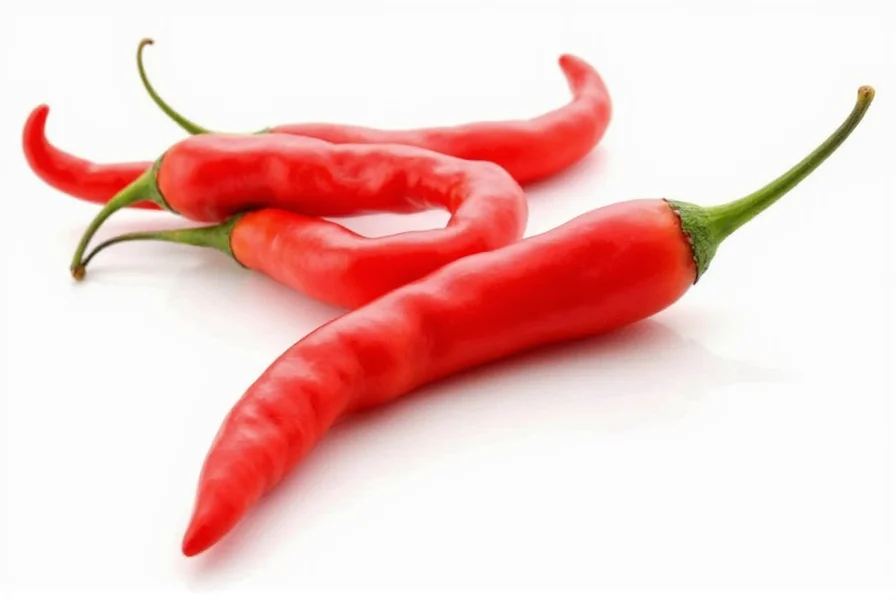
- Longer, more tapered shape than many substitutes
- Thinner walls that concentrate flavor
- Distinctive color progression from green to vibrant red
- More complex flavor profile with less harsh heat
Managing Calabrian Chili Heat for Different Palates
One of the advantages of Calabrian pepper Scoville units falling in the medium-hot range is their adaptability. Here's how to adjust their heat for various tolerance levels:
- Mild approach: Remove all seeds and membranes; use just 1/4 to 1/2 pepper per dish serving 4 people
- Moderate heat: Include some membranes but remove seeds; use 1 whole pepper per dish serving 4
- Bold flavor: Include seeds and membranes; use 1-2 whole peppers per dish serving 4
Remember that cooking time affects perceived heat—longer cooking distributes capsaicin more evenly but doesn't reduce total heat. For immediate heat reduction, add dairy products which contain casein that binds to capsaicin.
Conclusion: The Balanced Heat of Calabrian Chilies
Understanding is Calabrian chili spicy reveals that these peppers offer more than just heat—they provide a balanced culinary experience where spiciness serves the overall flavor profile. Their 25,000-45,000 SHU rating places them firmly in the medium-to-hot category, but their gradual heat build-up and accompanying fruitiness make them more approachable than their Scoville numbers might suggest.
Whether you're exploring using Calabrian chilies in cooking or simply curious about their heat level, recognizing their balanced nature helps appreciate why they've become a staple in Italian cuisine and are gaining popularity worldwide. Their spiciness enhances rather than overwhelms, making them versatile for various dishes and palates.
How does Calabrian chili heat compare to sriracha?
Calabrian chilies (25,000-45,000 SHU) are significantly hotter than standard sriracha sauce (1,000-2,200 SHU). A single Calabrian chili contains roughly the same heat as 15-45 servings of typical sriracha, though sriracha's garlic and vinegar notes balance its heat differently.
Can I substitute Calabrian chilies with other peppers?
Yes, but with flavor compromises. The closest substitutes are cayenne peppers (similar heat but less fruity) or a combination of serrano peppers with a touch of smoked paprika. For authentic Calabrian flavor, seek out specialty stores or online retailers that carry genuine Calabrian products.
Do Calabrian chilies get hotter when dried?
Yes, drying concentrates the capsaicin, making dried Calabrian peppers (peperoncini) noticeably hotter than fresh ones. The drying process also develops smoky notes that complement their natural fruitiness while intensifying the heat experience.
Are Calabrian chilies considered extremely hot?
No, Calabrian chilies are not considered extremely hot. At 25,000-45,000 SHU, they fall in the medium-to-hot range. Extremely hot peppers typically start around 100,000 SHU (like habaneros) and go much higher. Calabrian chilies offer noticeable heat but remain manageable for most palates when used appropriately.
What makes Calabrian chilies different from regular red pepper flakes?
Calabrian chilies have a more complex flavor profile with fruity notes and gradual heat build-up, while standard red pepper flakes (often made from cayenne) deliver sharper, more immediate heat with less nuance. Authentic Calabrian products also typically include oil, which helps distribute the heat evenly and enhances the flavor complexity.




 浙公网安备
33010002000092号
浙公网安备
33010002000092号 浙B2-20120091-4