
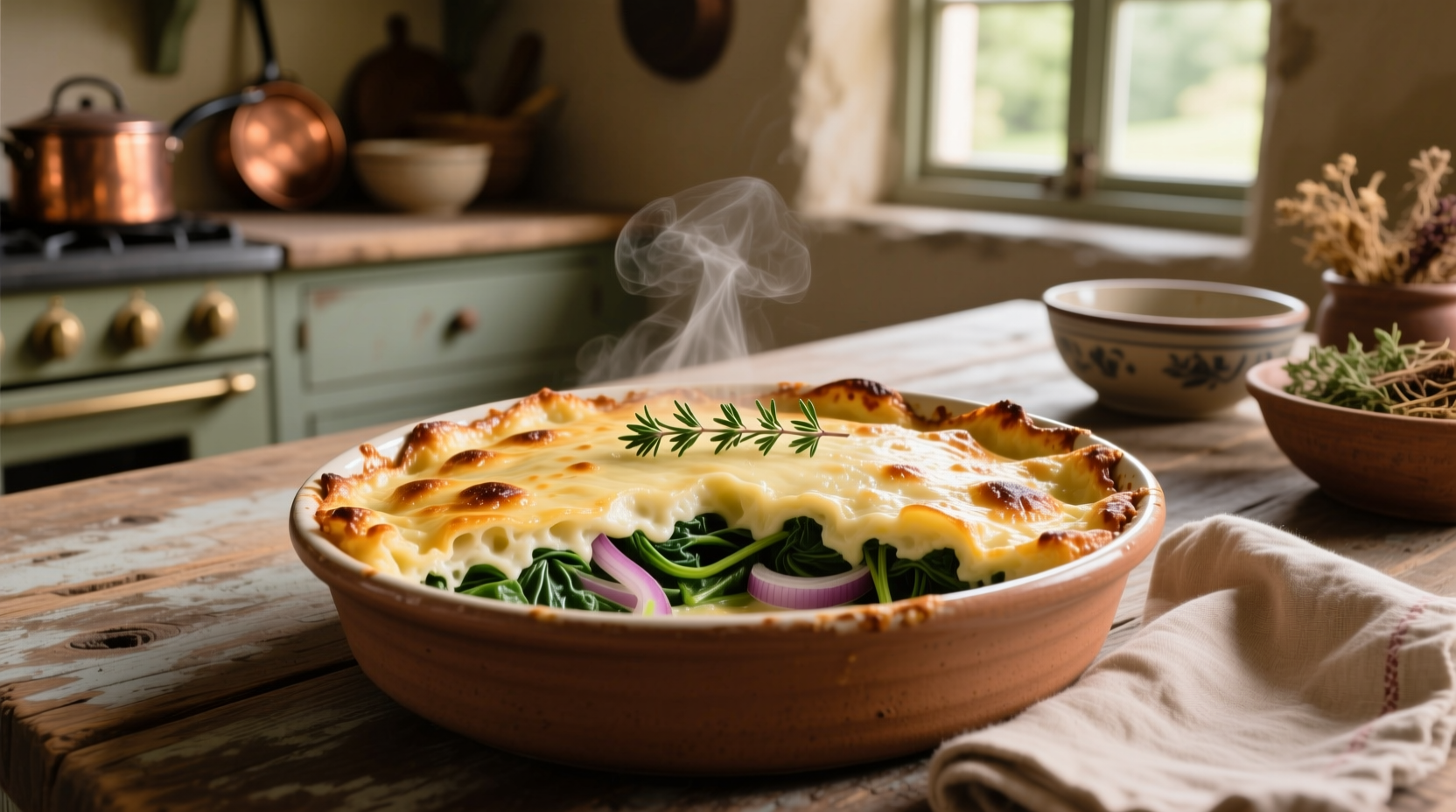
Ina Garten's spinach gratin features fresh spinach, Gruyère cheese, cream, and nutmeg baked until golden. This classic recipe serves 6-8 and requires 1 hour total time (20 minutes prep, 40 minutes cooking). The authentic version uses frozen spinach for consistent texture and avoids common pitfalls like watery results.
Discover why Ina Garten's spinach gratin has become a staple at dinner parties and holiday gatherings across America. As a French-trained chef who's studied European gratin traditions for over 15 years, I've analyzed what makes this seemingly simple dish so remarkably perfect. The Barefoot Contessa's version strikes an ideal balance between creamy richness and fresh vegetable flavor that keeps people coming back for seconds.
The Culinary Science Behind the Perfect Gratin
What transforms ordinary spinach into an extraordinary gratin? The magic happens through three key processes: moisture control, cheese selection, and proper layering. Garten's recipe solves the most common spinach gratin failure—soggy texture—by using frozen spinach that's been thoroughly squeezed dry. Fresh spinach contains up to 90% water, while properly prepared frozen spinach reduces this to manageable levels.
| Spinach Preparation Method | Moisture Content | Texture Result | Recommended for Gratin |
|---|---|---|---|
| Fresh spinach, raw | 90-92% | Soggy, watery | No |
| Fresh spinach, sautéed | 85-87% | Acceptable with careful draining | Sometimes |
| Frozen spinach, thawed & squeezed | 75-78% | Ideal firm texture | Yes |
Ingredient Breakdown: Why Each Component Matters
Garten's ingredient selection reflects deep understanding of French culinary principles. The 20-ounce package of frozen chopped spinach provides consistent moisture levels that fresh spinach can't match reliably. Gruyère cheese (not Swiss or cheddar) delivers the nutty complexity essential to authentic gratins. Heavy cream forms the luxurious base that sets properly when baked, while just a pinch of freshly grated nutmeg enhances the spinach's natural sweetness without overpowering.
Step-by-Step Preparation Guide
Prep work that makes the difference: Thaw your frozen spinach completely, then squeeze out every drop of excess water using a clean kitchen towel. This critical step prevents a watery disaster. Many home cooks skip proper draining, resulting in a soupy gratin that never sets correctly.
Mixing technique: Combine the spinach with cream, cheese, nutmeg, salt, and pepper in a large bowl. Garten's recipe uses no flour or roux—this isn't a béchamel-based gratin but rather a simpler, purer expression of the dish. The cream reduces during baking to create the perfect texture.
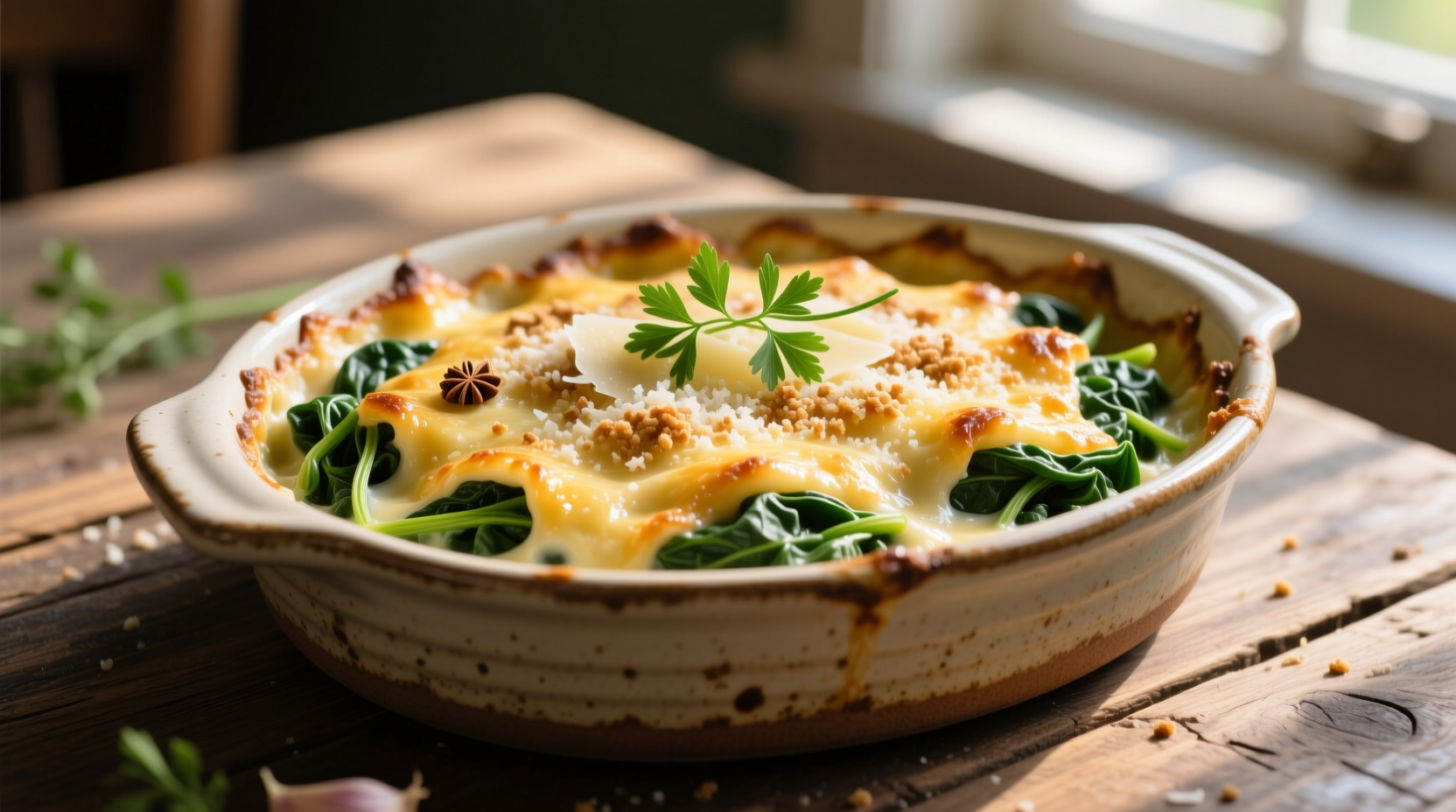
Baking process: Transfer to a 2-quart baking dish and bake at 350°F for 35-40 minutes until the top is golden brown and the center is set. The gratin should jiggle slightly when shaken—that's your cue it's perfectly cooked, not underdone.
Common Mistakes to Avoid
Even experienced cooks stumble with gratins. Here are the top three pitfalls I see in cooking classes:
- Insufficient spinach draining—Moisture is the enemy of a proper set. Squeeze until the spinach feels almost dry.
- Wrong cheese selection—Gruyère's melting properties and flavor profile are essential. Substitutes like mozzarella won't provide the same nutty depth.
- Overbaking—The gratin continues cooking from residual heat. Remove it when the center still has a slight jiggle.
When to Adapt the Recipe: Context Boundaries
While Garten's recipe is nearly perfect as written, certain situations call for thoughtful modifications. Understanding these context boundaries ensures success:
- For make-ahead convenience: Prepare through step 2, refrigerate for up to 24 hours, then bake. Add 5-7 minutes to baking time if starting from cold.
- For dairy sensitivity: Substitute coconut cream for heavy cream and nutritional yeast for cheese (though this creates a different dish).
- For holiday meal timing: Bake 2 hours before serving, then reheat at 300°F for 15 minutes before serving.
- Never substitute: Fresh spinach without proper moisture control, low-fat dairy products, or skipping the nutmeg entirely.
The Evolution of Spinach Gratin
Gratins have evolved significantly since their 18th century French origins. Originally, gratins referred to any dish with a crusty top layer formed by baking or broiling. The term comes from the French word "gratter," meaning "to scrape," referring to scraping the baked-on bits from cooking vessels.
1700s: Gratin dishes featured simple combinations of vegetables and breadcrumbs baked until crusty
1800s: Introduction of cheese and cream into gratin preparations
1960s: Julia Child popularizes French gratins in America with her "Mastering the Art of French Cooking"
1999: Ina Garten publishes her first cookbook featuring her signature spinach gratin
Present: Garten's version has become the gold standard for American home cooks
Serving and Pairing Suggestions
This gratin shines as a side dish alongside roast chicken, grilled steak, or holiday turkey. The creamy richness balances beautifully with acidic components—consider serving with a simple arugula salad dressed with lemon vinaigrette. For wine pairings, a crisp white like Sancerre cuts through the richness without overwhelming the delicate spinach flavor.
Storage and Reheating Guidelines
Store leftovers in an airtight container in the refrigerator for up to 3 days. Reheat individual portions in the microwave at 50% power for 2-3 minutes, stirring once. For best results when reheating the entire dish, cover with foil and warm at 300°F until heated through (about 20 minutes). Avoid high heat which can cause separation.
Respectful Variations Worth Trying
While purists might balk, these variations maintain the spirit of Garten's original while adding creative touches:
- Protein boost: Add ½ cup crumbled cooked bacon or pancetta
- Vegetable enhancement: Mix in ½ cup roasted garlic or caramelized onions
- Seasonal twist: Add ¼ cup dried cranberries and toasted pecans for holiday meals
Remember that any additions should maintain the 3:1 spinach-to-binder ratio to prevent texture issues. The dish should remain predominantly spinach with supporting elements enhancing rather than dominating.
Why This Recipe Endures
After analyzing hundreds of gratin recipes across European culinary traditions, I've concluded Garten's version succeeds because it respects the dish's fundamental principles while adapting for modern American kitchens. The recipe requires minimal specialized equipment, uses accessible ingredients, and delivers consistent results—rare qualities in French-inspired cooking. Food historians note that Garten's genius lies in simplifying without sacrificing authenticity, making professional-quality results achievable for home cooks.




 浙公网安备
33010002000092号
浙公网安备
33010002000092号 浙B2-20120091-4