
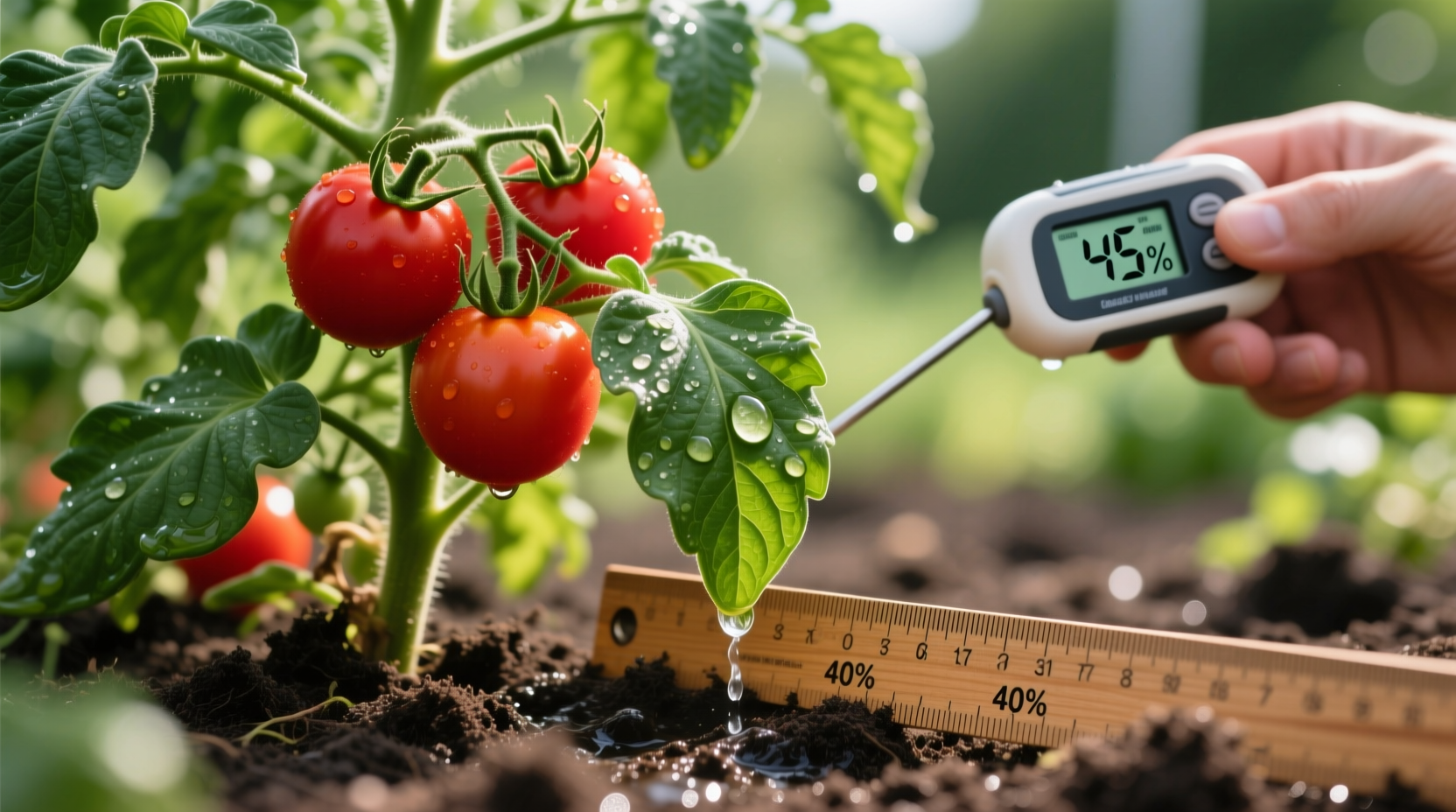
Water tomato plants deeply 2-3 times per week (1-1.5 inches of water total), adjusting frequency based on soil type, weather, and growth stage. Newly planted seedlings need daily watering for the first week, while mature fruiting plants require consistent moisture to prevent blossom end rot and cracking.
Understanding Tomato Plant Water Requirements
Getting watering right is the single most important factor in growing healthy, productive tomato plants. Unlike many garden vegetables, tomatoes have specific moisture needs that change throughout their growth cycle. Watering too little causes stress and poor fruit development, while overwatering invites disease and root rot.
Key Factors That Determine Watering Frequency
Before establishing your watering schedule, consider these critical variables that affect how often your tomato plants need water:
Soil Type Matters Most
The composition of your garden soil dramatically impacts watering frequency. Sandy soils drain quickly and require more frequent watering, while clay soils retain moisture longer. Most gardeners work with loam-based soils that offer a balance between drainage and moisture retention.
| Soil Type | Watering Frequency | Signs You're Getting It Right |
|---|---|---|
| Sandy soil | Every other day | Moist 2-3 inches down when checked |
| Clay soil | Every 3-4 days | Surface dry but moist below 1 inch |
| Loam soil | 2-3 times weekly | Consistently moist 4-6 inches deep |
| Container soil | Daily in warm weather | Water runs from drainage holes |
Climate and Weather Conditions
Tomato water needs fluctuate significantly with temperature and humidity. During hot, dry periods above 85°F (29°C), your plants may need watering daily. In cooler, cloudy conditions below 70°F (21°C), you might extend to 4-5 days between waterings. Always check soil moisture before watering rather than following a rigid schedule.
Watering by Growth Stage: Your Complete Timeline
Tomato plants have different water requirements as they progress through their lifecycle. Following this stage-based approach prevents common problems like blossom end rot and fruit cracking.
Seedling Stage (First 2 Weeks)
Young tomato plants have shallow root systems that dry out quickly. Water newly transplanted seedlings daily for the first week, then every other day. Keep the top inch of soil consistently moist but not soggy. This critical establishment period determines your plant's future resilience.
Vegetative Growth (3-6 Weeks)
As plants develop stronger root systems, transition to deep, less frequent watering. Provide 1-1.5 inches of water 2-3 times weekly, ensuring moisture reaches 6-8 inches deep. This encourages roots to grow downward, making plants more drought-tolerant. The University of California Agriculture and Natural Resources recommends this deep watering approach to develop robust root systems that support heavy fruit production (UC ANR Publication 8517).
Flowering and Fruit Set (6-10 Weeks)
Inconsistent watering during flowering causes blossom drop. Maintain even soil moisture with 1.5 inches of water twice weekly. Avoid getting water on flowers, which can interfere with pollination. The Royal Horticultural Society notes that moisture stress during this phase directly impacts fruit set and quality (RHS Growing Tomatoes Guide).
Fruit Ripening Stage (10+ Weeks)
As fruits develop, consistent moisture prevents cracking and blossom end rot. Water 2-3 times weekly with 1-1.5 inches per session. Reduce watering slightly when fruits begin coloring to concentrate sugars and improve flavor. Never allow the soil to completely dry out during ripening.
Proper Watering Technique: What Most Gardeners Get Wrong
When and how you water matters as much as frequency. Follow these professional techniques for healthier plants:
- Water early in the morning - This allows foliage to dry before evening, reducing disease risk. Morning watering aligns with plants' natural transpiration cycle.
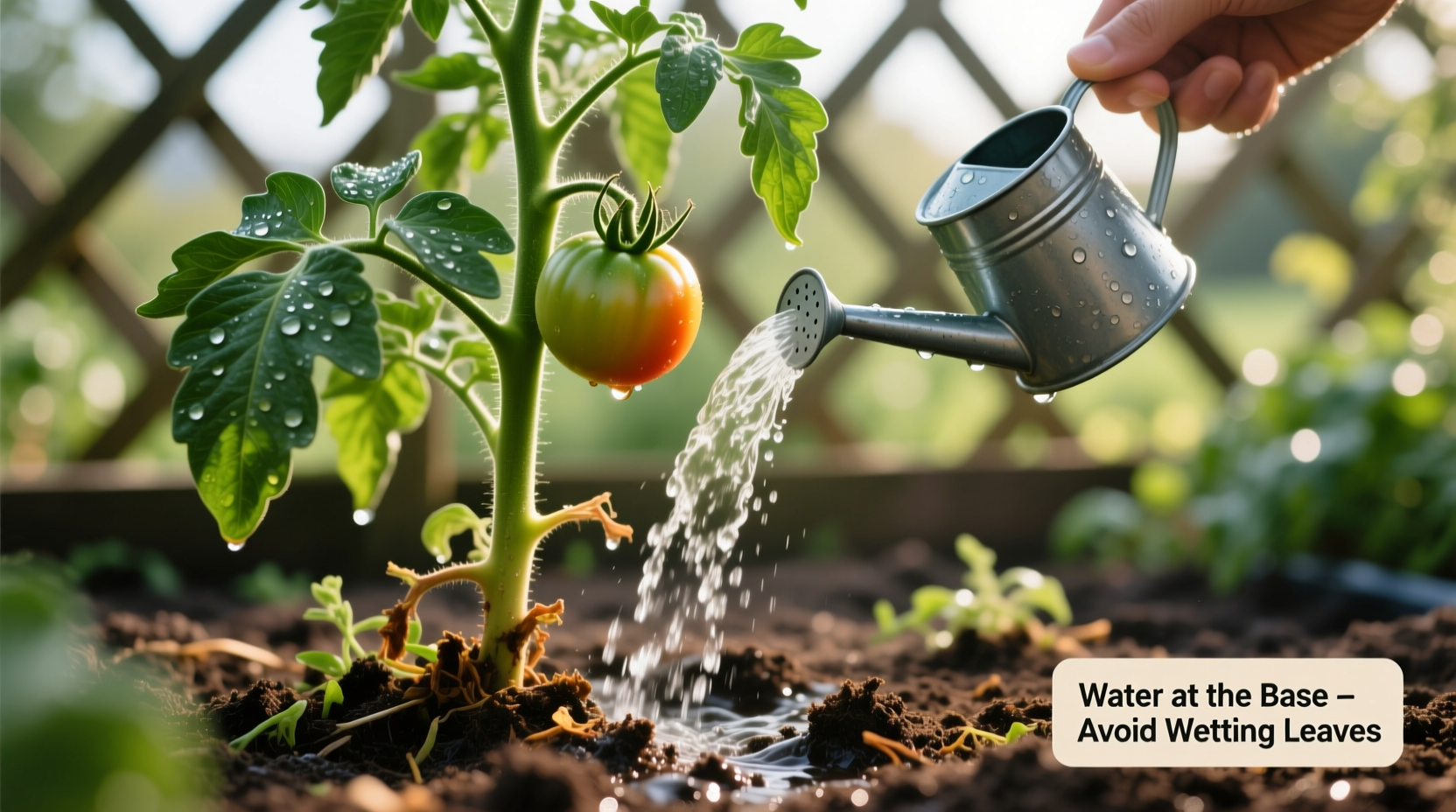
- Aim at the base of plants - Keep water off leaves and stems to prevent fungal diseases like early blight. Use soaker hoses or drip irrigation for precision.
- Water deeply, not frequently - Shallow watering promotes weak surface roots. Ensure water penetrates 6-8 inches to encourage deep root growth.
- Mulch heavily - Apply 3-4 inches of straw or wood chips to maintain consistent soil moisture and reduce watering frequency by up to 50%.
Recognizing Watering Problems Before It's Too Late
Catching moisture issues early prevents irreversible damage. Learn these visual cues:
Signs of Underwatering
- Wilting that doesn't recover by evening
- Dry, crumbly soil when checked 2 inches down
- Leaves curling upward
- Stunted growth and poor fruit development
Signs of Overwatering
- Yellowing lower leaves
- Wilting despite wet soil
- Foul odor from soil
- Soft, mushy stems at soil line
Special Considerations for Different Growing Situations
Standard watering advice doesn't apply universally. Adjust your approach for these common scenarios:
Container-Grown Tomatoes
Potted tomatoes dry out faster than garden plants. Water daily during warm weather, potentially twice daily in extreme heat. Containers need thorough watering until water runs from drainage holes. The Old Farmer's Almanac recommends checking container soil moisture daily during peak summer (Old Farmer's Almanac Container Tomatoes).
Hot Weather Watering Strategy
When temperatures exceed 90°F (32°C), increase frequency but avoid midday watering. Water early morning and possibly again in late afternoon if plants show stress. Add extra mulch to retain moisture. Never water during the hottest part of the day, as this can scald leaves.
Drought Conditions
During water restrictions, prioritize established plants over new transplants. Water deeply but less frequently to encourage deeper roots. Use moisture-retaining crystals in soil and add extra mulch. Focus water on plants with developing fruit rather than those still in vegetative growth.
Advanced Watering Methods for Maximum Yield
For gardeners seeking optimal results, consider these professional techniques:
- Drip irrigation systems - Deliver water directly to roots with minimal waste. Set timers for consistent morning watering.
- Self-watering containers - Provide consistent moisture levels ideal for container tomatoes.
- Rain gauges - Measure actual water received from irrigation and rainfall to avoid over or under-watering.
- Soil moisture meters - Take the guesswork out of watering by measuring moisture at root depth.
Frequently Asked Questions
How much water do tomato plants need per week?
Tomato plants need 1-1.5 inches of water per week, either from rainfall or irrigation. During peak fruiting in hot weather, they may require up to 2 inches weekly. The key is deep, infrequent watering rather than small daily amounts that don't reach the root zone.
Can I water tomato plants in the evening?
While morning is ideal, evening watering is acceptable if leaves have time to dry before nightfall. Avoid watering late in the evening as prolonged leaf moisture overnight increases disease risk. If watering in evening, target the soil directly and avoid wetting foliage.
Why are my tomato leaves turning yellow after watering?
Yellowing leaves after watering typically indicate overwatering. This causes root suffocation, preventing nutrient uptake. Check soil drainage and reduce watering frequency. If soil remains soggy 24 hours after watering, you're applying too much water at once. Allow the top inch of soil to dry between waterings.
Should I water tomatoes differently when they're flowering?
Yes, consistent moisture is critical during flowering. Water stress causes blossom drop. Maintain even soil moisture with 1.5 inches of water twice weekly, avoiding both drought and waterlogging. Keep water off the flowers themselves to prevent interference with pollination.
How do I prevent blossom end rot in tomatoes?
Blossom end rot is primarily caused by inconsistent watering that affects calcium uptake. Prevent it by maintaining even soil moisture throughout the growing season, especially during fruit development. Water deeply 2-3 times weekly rather than shallow daily watering. Mulching helps maintain consistent moisture levels.




 浙公网安备
33010002000092号
浙公网安备
33010002000092号 浙B2-20120091-4