
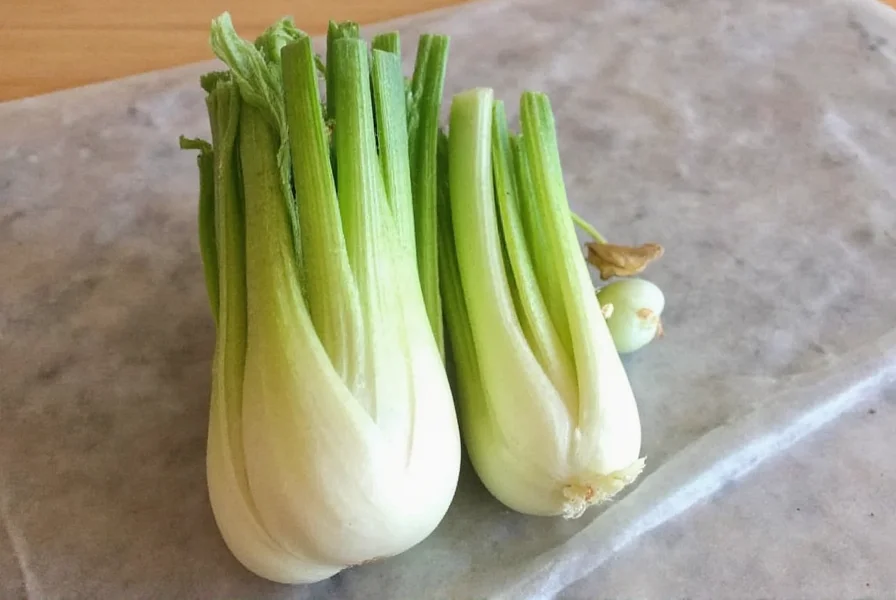
Discovering how to prepare fennel for cooking properly transforms this aromatic vegetable from intimidating to indispensable in your kitchen. With its crisp texture and subtle anise flavor, fennel elevates salads, soups, roasts, and more—but only when prepared correctly. This comprehensive guide walks you through every step of fennel preparation, ensuring you maximize both flavor and texture in your dishes.
Understanding Fennel Anatomy
Fennel consists of three edible components: the bulb (most commonly used), the feathery fronds (perfect for garnish), and the stalks (great for stocks). Before learning how to cut fennel bulb, recognize these parts:
| Part | Texture | Best Uses |
|---|---|---|
| Bulb | Crisp, crunchy | Raw in salads, roasted, braised, grilled |
| Stalks | Fibrous, sturdy | Stocks, soups, stews (remove before serving) |
| Fronds | Delicate, feathery | Garnish, herb blends, fennel pesto |
Essential Tools for Fennel Preparation
Having the right equipment makes preparing fennel for cooking significantly easier:
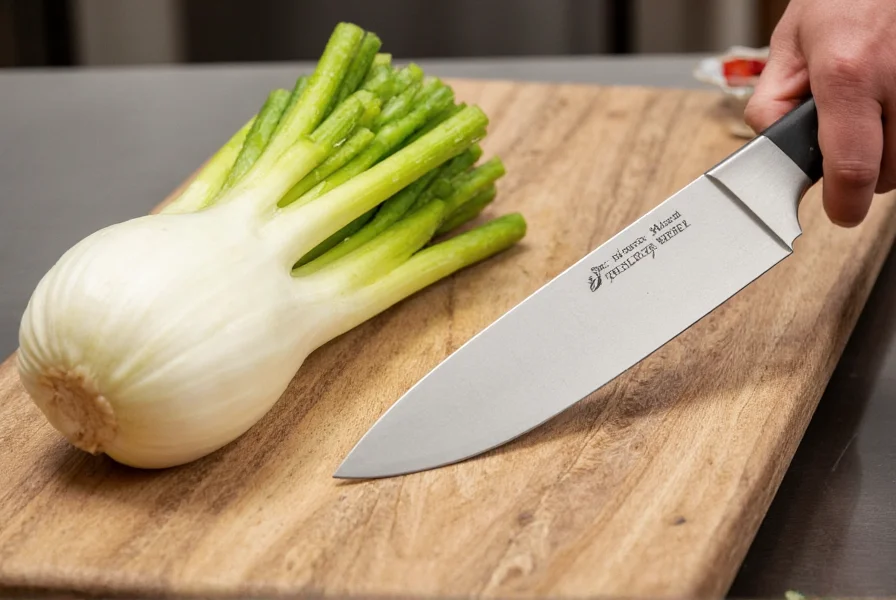
- Sharp chef's knife (8-10 inches)
- Stable cutting board
- Bowl of cold water
- Colander for rinsing
- Vegetable peeler (optional for tough outer layers)
Step-by-Step Fennel Preparation Guide
Selecting Fresh Fennel
Choose firm, heavy bulbs with bright white color and no brown spots. The stalks should be straight and green, while fronds should appear feathery and vibrant. Avoid bulbs with flowering shoots or soft spots, which indicate age.
Cleaning Fennel Properly
Proper cleaning is crucial when learning how to clean fennel properly. Fennel often contains dirt between layers:
- Trim 1/2 inch from the root end using a sharp knife
- Cut off the stalks just above the bulb
- Remove any discolored outer layers
- Place bulb in cold water and separate layers slightly
- Swish to release trapped dirt
- Pat dry with clean kitchen towel before slicing
Slicing Techniques for Different Dishes
Mastering fennel preparation techniques ensures optimal texture in your dishes:
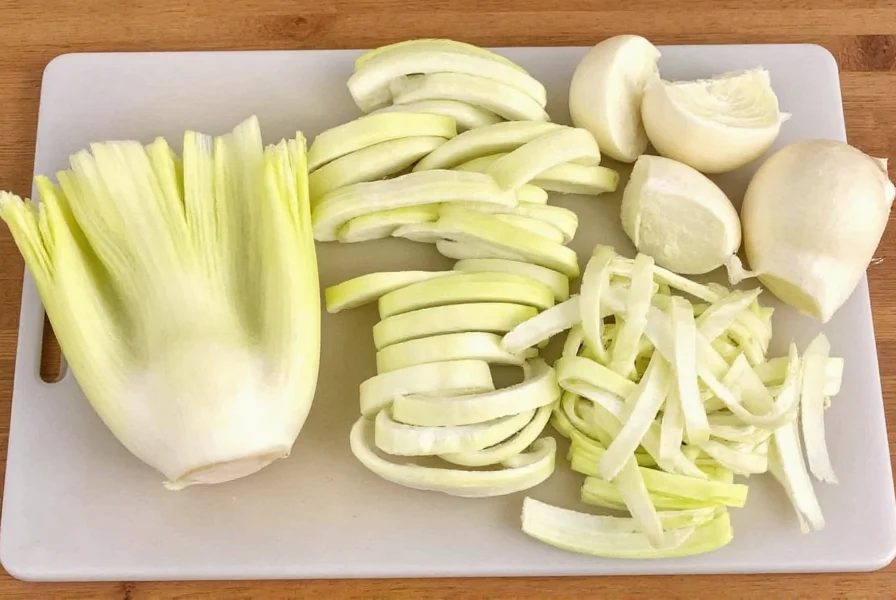
For Salads (Thin Slices)
- Stand bulb upright on cutting board
- Cut vertically through the core into quarters
- Place flat side down and slice crosswise thinly
- Soak in ice water for 15 minutes to enhance crispness
For Roasting (Wedges)
- Cut bulb vertically into 6-8 wedges, keeping core intact
- Toss with olive oil, salt, and pepper
- Roast at 400°F (200°C) for 25-30 minutes until caramelized
Using Fennel Fronds and Stalks
Don't waste these valuable components when preparing fennel for cooking:
- Fronds: Chop finely as garnish for fish, salads, or soups. Substitute for dill in recipes.
- Stalks: Use in stocks, broths, or as a bed for roasting meats. Remove before serving as they remain fibrous.
Storing Prepared Fennel
Proper storage extends freshness after fennel preparation:
- Store whole bulbs wrapped in damp paper towels in vegetable drawer (up to 5 days)
- Cut fennel should be stored in airtight container with damp paper towel (3-4 days)
- Freeze sliced fennel for soups/stews (blanch first for best results)
- Store fronds in jar of water like fresh herbs
Common Fennel Preparation Mistakes
Avoid these errors when learning how to prepare fennel for cooking:
- Skipping the rinse: Dirt often hides between layers
- Discarding stalks and fronds: Both are edible and flavorful
- Overcooking: Fennel becomes mushy if cooked too long
- Not removing tough outer layers: Results in unpleasant texture
- Using dull knife: Crushes rather than cuts the delicate layers
Basic Cooking Methods for Prepared Fennel
Once you've mastered fennel preparation techniques, try these cooking methods:
Raw Preparation
Thinly sliced raw fennel adds crunch to salads. Combine with orange segments, red onion, and a citrus vinaigrette for a refreshing side dish. Soaking in ice water for 15 minutes enhances crispness.
Roasting Fennel
Roasting transforms fennel's flavor, bringing out natural sweetness. Cut into wedges, toss with olive oil, salt, and pepper, then roast at 400°F (200°C) for 25-30 minutes until golden brown and tender.
Sautéing Fennel
Sliced fennel sautés beautifully. Cook over medium heat with olive oil until golden brown and tender-crisp (about 8-10 minutes). Add garlic during the last 2 minutes for extra flavor.




 浙公网安备
33010002000092号
浙公网安备
33010002000092号 浙B2-20120091-4