
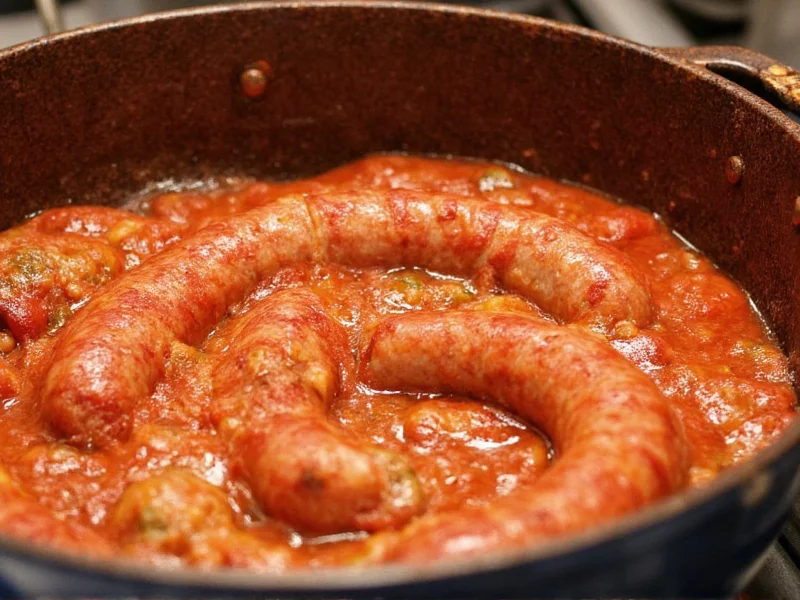
Perfectly cooked Italian sausage emerges juicy and flavorful when prepared using the right oven technique. Unlike stovetop methods that require constant attention, oven baking delivers consistent results with minimal hands-on time while developing a beautifully caramelized exterior. This method works equally well for sweet or hot Italian sausage links, whether you're cooking for a weeknight dinner or preparing ingredients for pasta dishes, sandwiches, or appetizers.
Essential Equipment and Ingredients
Before starting your oven-baked Italian sausage preparation, gather these kitchen essentials:
- Baking sheet or roasting pan
- Parchment paper or aluminum foil (for easy cleanup)
- Middle oven rack position
- Instant-read thermometer (critical for food safety)
- Wire cooling rack (optional but recommended)
For best results, select high-quality Italian sausage links with visible herb flecks and a balanced meat-to-fat ratio. Fresh sausage works better than pre-cooked varieties for this oven method, as it develops superior texture and flavor during baking.
Step-by-Step Oven Preparation Guide
Follow these professional kitchen-tested steps for perfectly cooked Italian sausage every time:
- Preheat oven to 400°F (204°C) with rack positioned in the center
- Prepare baking surface by lining a sheet pan with parchment paper
- Arrange sausages without touching, leaving 1-inch space between links
- Optional step: Place sausages on a wire rack for even air circulation
- Bake for 10 minutes, then flip sausages using tongs
- Continue baking 10-15 minutes until golden brown
- Verify internal temperature reaches 160°F (71°C) at thickest point
- Rest sausages 5 minutes before serving to retain juices
| Oven Temperature | Cooking Time | Internal Temperature | Visual Cues |
|---|---|---|---|
| 375°F (190°C) | 25-30 minutes | 160°F (71°C) | Deep golden brown, firm to touch |
| 400°F (204°C) | 20-25 minutes | 160°F (71°C) | Crispy exterior, juices run clear |
| 425°F (218°C) | 15-20 minutes | 160°F (71°C) | Charred spots, slightly shrunken casing |
Food Safety and Quality Considerations
Proper food handling ensures your oven-baked Italian sausage remains both delicious and safe to eat. Never rely solely on cooking time or visual appearance—an instant-read thermometer provides the only reliable method to verify doneness. The USDA recommends cooking pork products to a minimum internal temperature of 160°F (71°C).
Avoid these common mistakes when preparing Italian sausage in the oven:
- Overcrowding the pan - causes steaming instead of browning
- Skipping the flip - results in uneven cooking and color
- Pricking the casings - releases precious juices and causes dryness
- Undercooking - poses food safety risks with raw pork
- Overcooking - leads to tough, rubbery texture and split casings
Enhancing Flavor and Presentation
Elevate your oven-baked Italian sausage with these chef-recommended techniques. During the last 5 minutes of cooking, add complementary ingredients directly to the pan: bell peppers and onions for a classic combination, cherry tomatoes for acidity, or fresh herbs like rosemary for aromatic complexity. The sausage drippings will flavor these additions while they roast.
For restaurant-quality presentation, slice cooked sausages diagonally before serving. This increases surface area, allowing sauces to cling better while showcasing the interior texture. Serve immediately while hot, as Italian sausage loses moisture quickly when cooling.
Serving Suggestions and Storage Tips
Oven-baked Italian sausage pairs beautifully with numerous side dishes. Traditional preparations include serving with sautéed peppers and onions over pasta, slicing for sandwiches with melted provolone, or chopping for pizza toppings. For lighter options, serve with roasted vegetables or a crisp arugula salad with lemon vinaigrette.
Store leftovers properly to maintain quality. Cool cooked sausage within 2 hours, then refrigerate in an airtight container for up to 4 days. For longer storage, freeze in portion-sized containers for up to 3 months. When reheating, use an oven or skillet rather than microwave to preserve texture—10-15 minutes at 350°F (177°C) typically restores optimal eating quality.
Variations for Different Dietary Preferences
Adapt this oven cooking method for various dietary needs while maintaining authentic Italian sausage flavor. For leaner options, select turkey or chicken Italian sausage varieties and reduce cooking time by 3-5 minutes. Vegetarian alternatives work well with plant-based sausages, though you'll need to adjust temperature to 375°F (190°C) and check manufacturer's recommended internal temperature.
Customize flavors by adding complementary ingredients to the baking sheet: a splash of white wine creates a light pan sauce, while balsamic vinegar adds complexity. For spicy varieties, balance the heat with a touch of honey or maple syrup drizzled during the final cooking minutes.




 浙公网安备
33010002000092号
浙公网安备
33010002000092号 浙B2-20120091-4