
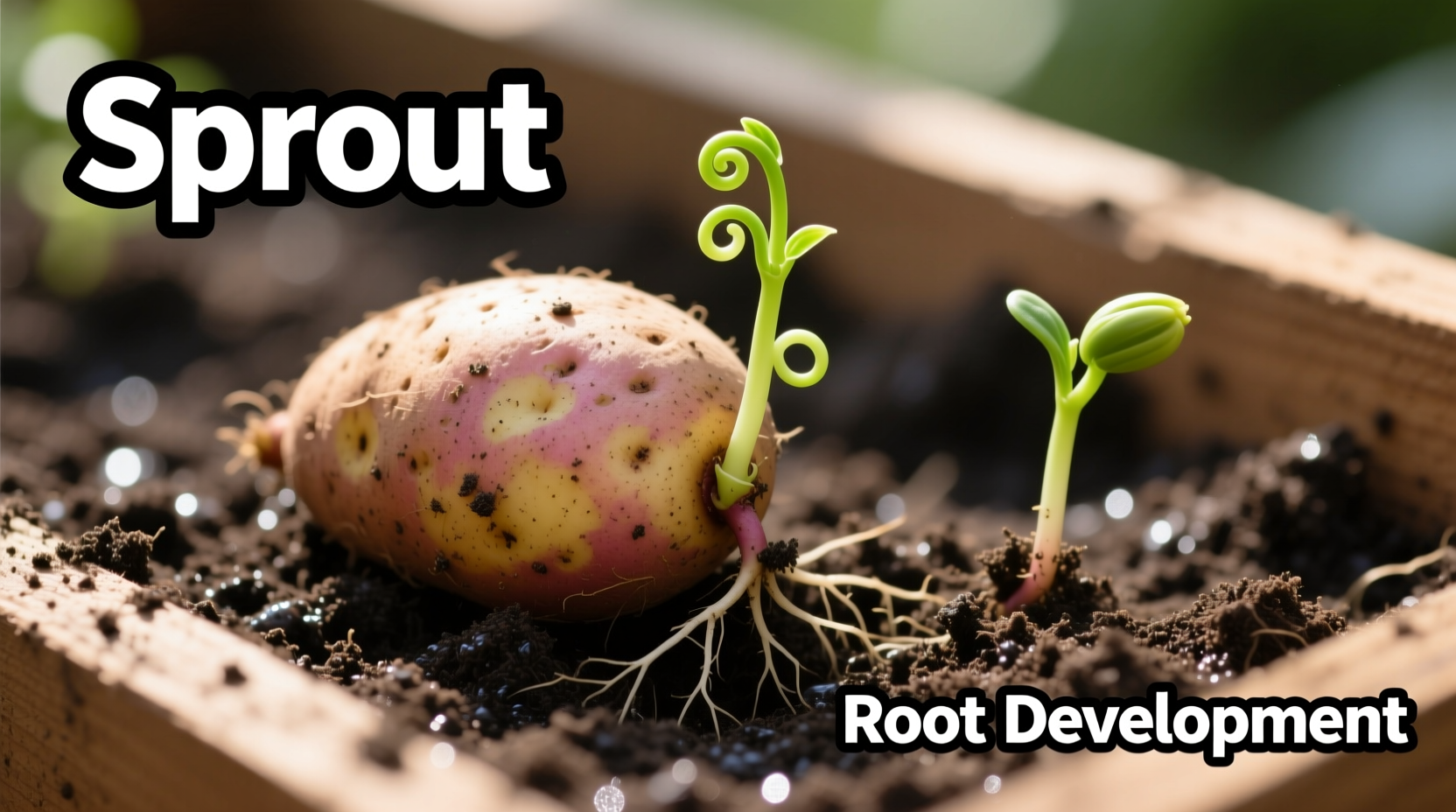
Yes, you can easily grow sweet potato vines from store-bought sweet potatoes using either the water sprouting method or direct soil planting. Within 2-4 weeks, you'll see sprouts emerging, and with proper care, you'll have lush vines ready for harvesting in 90-120 days.
Have you ever wondered what to do with that extra sweet potato sitting in your pantry? Growing sweet potato vines is one of the most rewarding and straightforward gardening projects you can tackle, whether you're a seasoned gardener or just starting out. In this comprehensive guide, you'll discover exactly how to transform a simple sweet potato into a thriving vine that produces delicious tubers.
Why Grow Your Own Sweet Potato Vines?
Sweet potatoes aren't just nutritious and delicious—they're incredibly easy to grow from the tubers you already have at home. Unlike many garden plants that require seeds or specialized cuttings, sweet potatoes sprout readily from grocery store specimens. The process teaches valuable gardening skills while providing fresh, organic produce. Plus, the vibrant green vines make attractive ornamental plants while they grow!
What You'll Need to Get Started
Before diving into the growing process, gather these essential items:
- Organic sweet potatoes (conventional may be treated to prevent sprouting)
- Glass jars or containers for water method
- Well-draining potting soil
- Small pots or containers (at least 12 inches deep)
- Warm location with indirect sunlight
- Watering can
- Optional: rooting hormone for faster growth
Step 1: Selecting the Right Sweet Potato
Not all sweet potatoes will sprout equally well. For best results:
- Choose organic sweet potatoes, as conventional ones are often treated with sprout inhibitors
- Look for medium-sized tubers (about 3-5 inches long)
- Opt for firm potatoes without soft spots or bruises
- Beige-skinned varieties like Beauregard or Jewel typically sprout more readily than purple-skinned types
Step 2: Sprouting Methods Compared
| Method | Time to Sprout | Success Rate | Best For |
|---|---|---|---|
| Water Sprouting | 2-3 weeks | High (85%) | Beginners, observation |
| Soil Sprouting | 3-4 weeks | Moderate (70%) | Direct garden planting |
| Warm Moist Towel | 1-2 weeks | Medium (75%) | Rapid sprout production |
Water Sprouting Method: The Beginner's Choice
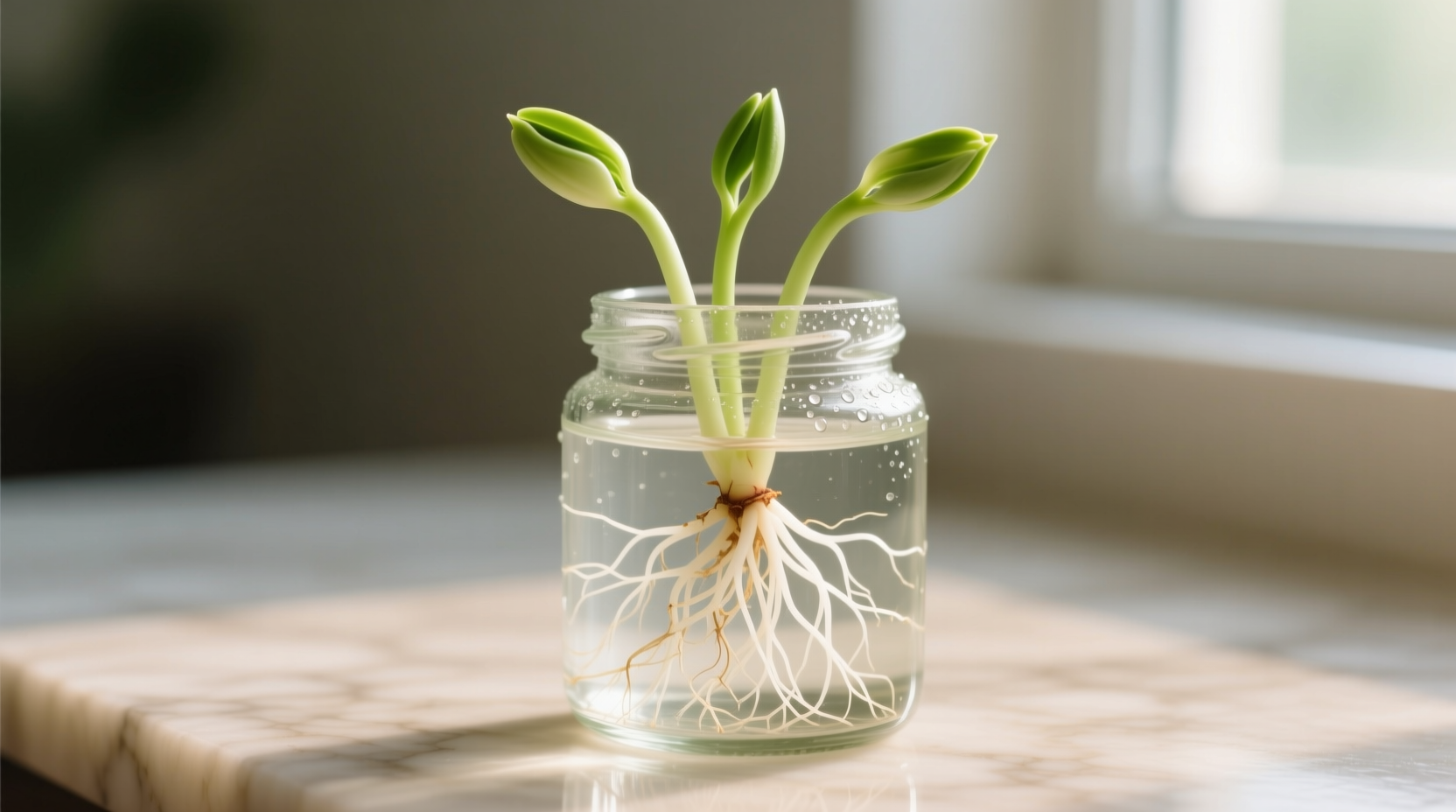
This popular method lets you watch the roots develop and is perfect for beginners:
- Place toothpicks around the middle of the sweet potato
- Suspend half the potato in a glass of water (pointy end down)
- Change water every 3-4 days to prevent stagnation
- Position in warm location (75-85°F) with indirect sunlight
- Wait 2-4 weeks for sprouts ("slips") to emerge
According to agricultural research from the University of Florida's Institute of Food and Agricultural Sciences, sweet potatoes sprout most successfully when water temperatures remain between 75-85°F (24-29°C). Temperatures below 70°F significantly slow the sprouting process.
Soil Sprouting: Direct to Garden Approach
If you prefer going straight to soil:
- Fill container with moist potting mix
- Bury sweet potato completely, about 2 inches deep
- Keep soil consistently moist but not soggy
- Maintain warm temperatures (75-85°F)
- Expect sprouts in 3-4 weeks
This method skips the transplanting step but offers less visibility into root development. The USDA Agricultural Research Service notes that soil sprouting works best with well-draining soil mixes containing perlite or vermiculite to prevent rot.
Transplanting Your Sweet Potato Slips
Once your slips reach 6-8 inches with several leaves:
- Gently twist slips from the parent potato
- Place in water for 1-2 days to develop roots
- Plant in 12-inch deep containers or garden beds
- Space plants 12-18 inches apart
- Cover only the bottom third of the stem with soil
Sweet Potato Vine Timeline: What to Expect
Understanding the growth stages helps set realistic expectations:
- Days 1-14: Initial sprouting begins; small green nubs appear
- Days 15-28: Slips develop; roots form in water method
- Days 29-45: Transplanted vines establish; rapid leaf growth
- Days 46-90: Vines spread; tuber formation begins
- Days 91-120: Harvest time; mature sweet potatoes ready
Research from North Carolina State University's sweet potato breeding program shows that most varieties reach harvest readiness between 90-120 days after transplanting, depending on climate conditions and variety.
Essential Care for Thriving Sweet Potato Vines
Proper care ensures healthy growth and maximum yield:
- Watering: Keep soil consistently moist but not waterlogged; reduce watering 2-3 weeks before harvest
- Sunlight: Minimum 6 hours of direct sun daily; more is better
- Fertilizing: Use balanced fertilizer every 4-6 weeks; avoid high nitrogen
- Temperature: Maintain between 70-95°F; protect from frost
- Pest control: Watch for sweet potato weevils; use row covers for protection
Troubleshooting Common Growing Problems
Address these issues promptly for best results:
- No sprouts after 4 weeks: Try a different potato or increase warmth
- Yellowing leaves: Could indicate overwatering or nutrient deficiency
- Stunted growth: Check for adequate sunlight and proper temperature
- Rotting potato: Change water more frequently or reduce soil moisture
- Few tubers: Ensure proper spacing and adequate growing season length
Harvesting Your Homegrown Sweet Potatoes
Knowing when and how to harvest makes all the difference:
- Harvest when leaves begin yellowing (typically 90-120 days after planting)
- Carefully dig around plants with garden fork to avoid damaging tubers
- Leave small tubers in ground to continue growing
- Cure harvested potatoes at 85-95°F with high humidity for 10-14 days
- Store cured potatoes in cool, dark place (55-60°F)
According to the Cooperative Extension System, proper curing significantly improves sweetness and storage life by converting starches to sugars and healing minor surface wounds.
Context Boundaries: When Sweet Potato Growing Might Not Work
While generally straightforward, sweet potato growing has some limitations:
- Short growing seasons: Requires at least 100 frost-free days for most varieties
- Cool climates: Needs consistent warmth; won't thrive in temperatures below 50°F
- Container limitations: Needs deep containers (minimum 12 inches) for proper tuber development
- Soil requirements: Won't produce well in heavy clay or poorly draining soils
- Time commitment: Requires patience through the 3-4 month growing cycle
For gardeners in cooler climates, the University of Vermont Extension recommends starting sweet potatoes indoors 4-6 weeks before last frost date and using black plastic mulch to warm the soil.
Expanding Your Sweet Potato Garden
Once you've mastered the basics, try these advanced techniques:
- Take vine cuttings to propagate additional plants
- Grow multiple varieties to compare flavors and growth habits
- Try companion planting with beans or marigolds to deter pests
- Experiment with different soil amendments to enhance flavor
- Create a sweet potato trellis system for vertical growing
Frequently Asked Questions
Can I grow sweet potato vines from grocery store sweet potatoes?
Yes, but organic sweet potatoes work best as conventional ones are often treated with sprout inhibitors. Look for firm, medium-sized tubers without blemishes for highest success rates.
How long does it take to grow sweet potatoes from vines?
From sprouting to harvest typically takes 90-120 days. Water sprouting takes 2-4 weeks to produce slips, then 90-120 days after transplanting for mature tubers, depending on variety and growing conditions.
Why aren't my sweet potatoes sprouting?
Common reasons include using conventionally grown potatoes (treated with sprout inhibitors), insufficient warmth (needs 75-85°F), or improper moisture levels. Try organic potatoes and maintain consistent warmth for best results.
Can sweet potato vines grow indoors year-round?
Yes, sweet potato vines make excellent houseplants. They need bright, indirect light and consistent moisture. While they may produce small tubers indoors, optimal growth and harvest require outdoor conditions with ample space and warmth.
What's the difference between sweet potato slips and vine cuttings?
Slips are sprouts grown directly from the sweet potato tuber, while vine cuttings are sections of established vine. Slips develop both roots and shoots from the tuber, while cuttings root from nodes along the vine stem and typically establish faster.




 浙公网安备
33010002000092号
浙公网安备
33010002000092号 浙B2-20120091-4