
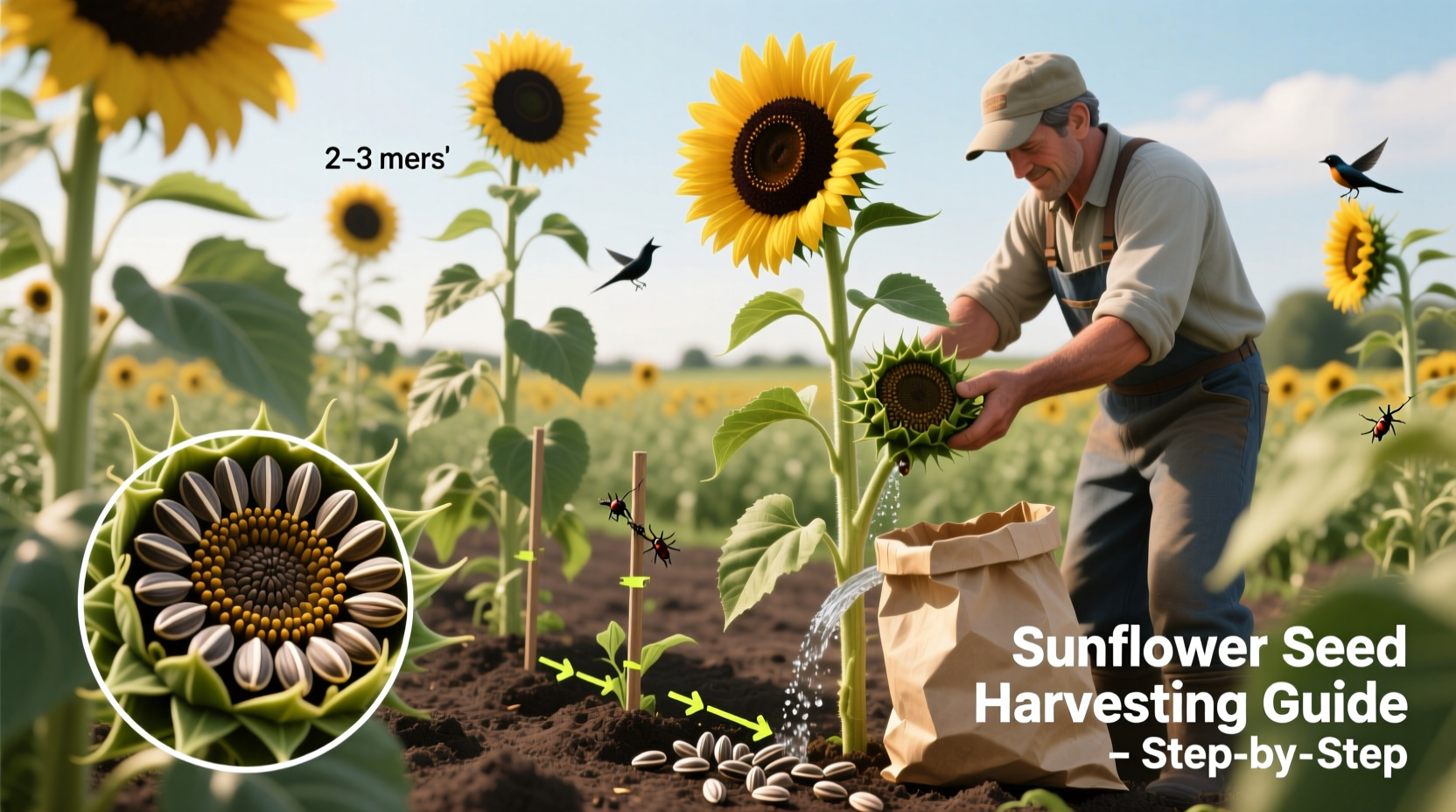
Harvesting your own sunflower seeds offers fresh, chemical-free nutrition while saving money compared to store-bought options. Unlike ornamental varieties, seed-producing sunflowers require specific care throughout their growth cycle to develop plump, viable seeds. This guide provides science-backed methods used by experienced growers to maximize your harvest yield and quality.
Selecting Optimal Sunflower Varieties for Seed Production
Not all sunflowers produce quality seeds. For maximum seed yield and size, choose varieties specifically bred for consumption rather than decoration. Mammoth Grey Stripe remains the top choice for home growers, producing seeds up to 1 inch long with high oil content. Russian Giant offers similar large seeds with excellent disease resistance, while Black Oil varieties provide higher oil yields preferred for pressing.
| Variety | Seed Size | Days to Maturity | Best For |
|---|---|---|---|
| Mammoth Grey Stripe | Large (1 inch) | 90-95 | Eating, bird feed |
| Russian Giant | Large | 85-90 | General seed production |
| Black Oil | Medium | 80-85 | Oil extraction, bird feed |
| Skyscraper | Small | 75-80 | Ornamental with edible seeds |
According to the USDA Agricultural Research Service, oilseed varieties typically mature 7-10 days faster than confectionery types but require careful moisture management during seed development to prevent shriveling. Their research shows that selecting regionally adapted varieties can increase seed yield by up to 25% compared to generic options.
Preparing Your Sunflower Growing Site
Sunflowers thrive in full sun exposure (6-8 hours daily) with well-draining soil. Test your soil pH before planting—sunflowers prefer slightly acidic to neutral conditions between 6.0-7.5. Amend heavy clay soils with 2-3 inches of compost to improve drainage, which is critical during seed development when excess moisture causes rot.
Plant seeds after your last frost date when soil temperatures reach at least 50°F (10°C). For continuous harvests, plant successive crops every 2-3 weeks through early summer. Space seeds 6-12 inches apart in rows 24-30 inches apart—tighter spacing reduces individual plant yield but increases overall garden production.
Optimal Planting and Early Growth Care
Plant seeds 1-2 inches deep in moist soil. Water thoroughly after planting, then maintain consistent moisture (about 1 inch per week) until seedlings emerge in 7-10 days. Once established, sunflowers tolerate some drought but require increased watering during flowering and seed development—provide 2 inches of water weekly during these critical stages.
Fertilize sparingly; excessive nitrogen promotes leaf growth at the expense of seed production. Apply balanced 10-10-10 fertilizer when plants reach 12 inches tall, then switch to low-nitrogen 5-10-10 when flower buds appear. The University of Minnesota Extension recommends avoiding high-nitrogen fertilizers after bud formation to maximize seed development.
Protecting Developing Seeds from Threats
Birds and squirrels often target maturing sunflower heads. Cover developing heads with mesh bags or cheesecloth when petals begin to dry and fall. Monitor for common pests like aphids and caterpillars—these rarely affect seed quality but can weaken plants. For severe infestations, use insecticidal soap rather than harsh chemicals that could contaminate seeds.
Disease prevention starts with proper spacing for air circulation. Watch for signs of Sclerotinia (white mold) during wet periods—remove affected plants immediately. The North Dakota State University Extension reports that crop rotation reduces disease incidence by up to 40% compared to consecutive plantings in the same location.
Harvesting at Peak Seed Maturity
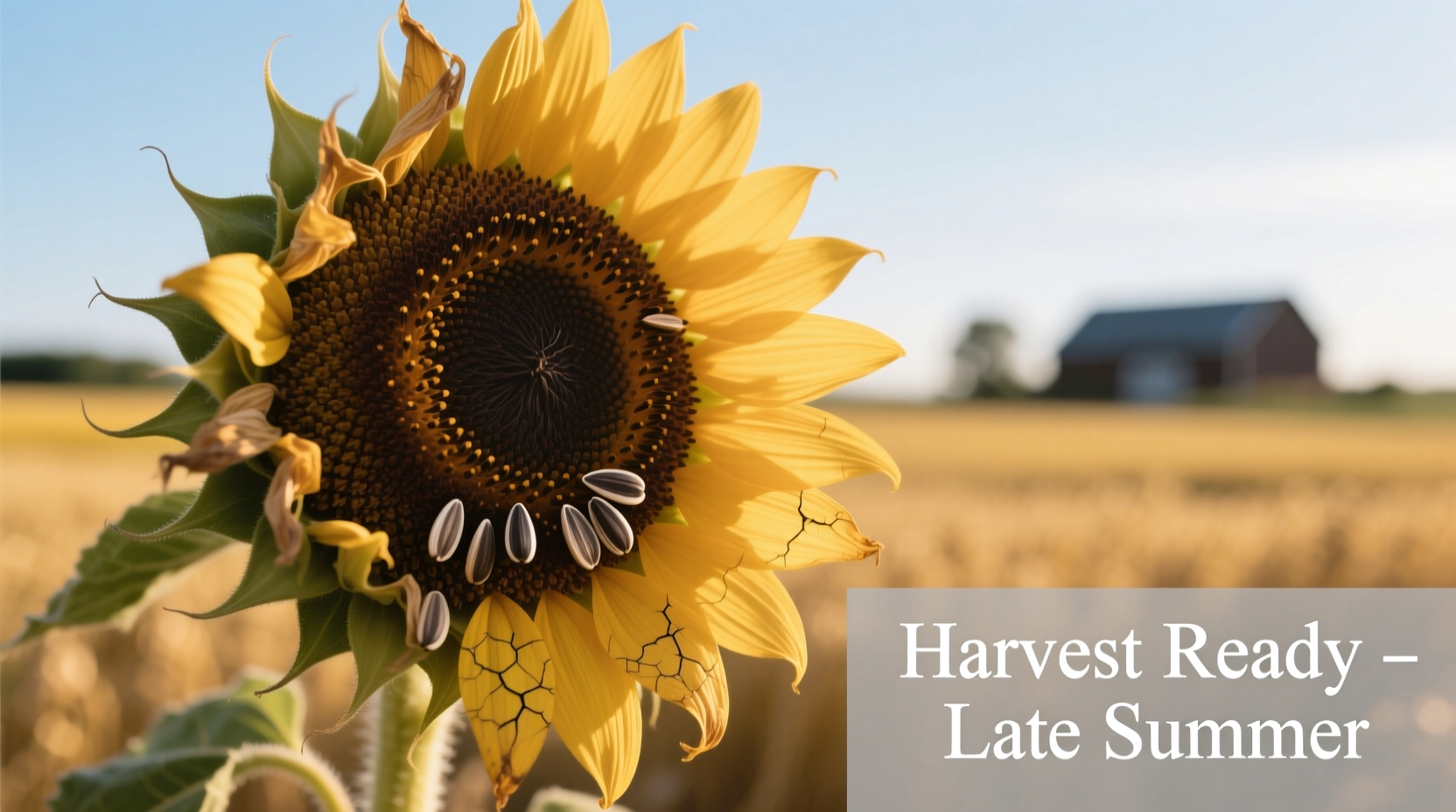
Timing your harvest correctly ensures maximum seed viability and flavor. Harvest when the back of the flower head turns from green to yellow or brown, and seeds appear plump and fully colored. This typically occurs 30-45 days after flowering. The critical indicator: when the green base of individual seeds turns black.
Cut heads with 6-12 inches of stem attached when morning dew has dried but before temperatures peak. Place heads in a well-ventilated area away from direct sunlight. Cover with mesh to prevent bird access while allowing air circulation. Complete drying takes 7-14 days depending on humidity.
Processing and Storing Your Sunflower Seeds
Once fully dry, rub seeds from the head using gloved hands—wear gloves to prevent stained fingers. Separate seeds from chaff by winnowing: pour seeds between containers in a light breeze, allowing lighter debris to blow away.
For immediate use, store in airtight containers at room temperature for up to 2 months. For long-term storage, refrigerate in vacuum-sealed bags for 6 months or freeze for up to 1 year. Properly stored seeds maintain 90%+ germination rates for planting next season. The USDA recommends maintaining seed moisture content below 8% for optimal storage longevity.
Troubleshooting Common Seed Production Issues
Empty or shriveled seeds: Usually caused by inconsistent watering during seed development or poor pollination. Ensure consistent moisture during flowering and seed set, and plant multiple varieties to encourage cross-pollination.
Low seed count per head: Often results from overcrowding or nutrient imbalance. Maintain proper spacing (12+ inches between plants) and avoid excessive nitrogen after bud formation.
Seeds dropping prematurely: Harvest heads earlier when the back begins turning yellow. Support heavy heads with stakes to prevent bending that triggers premature seed drop.




 浙公网安备
33010002000092号
浙公网安备
33010002000092号 浙B2-20120091-4