
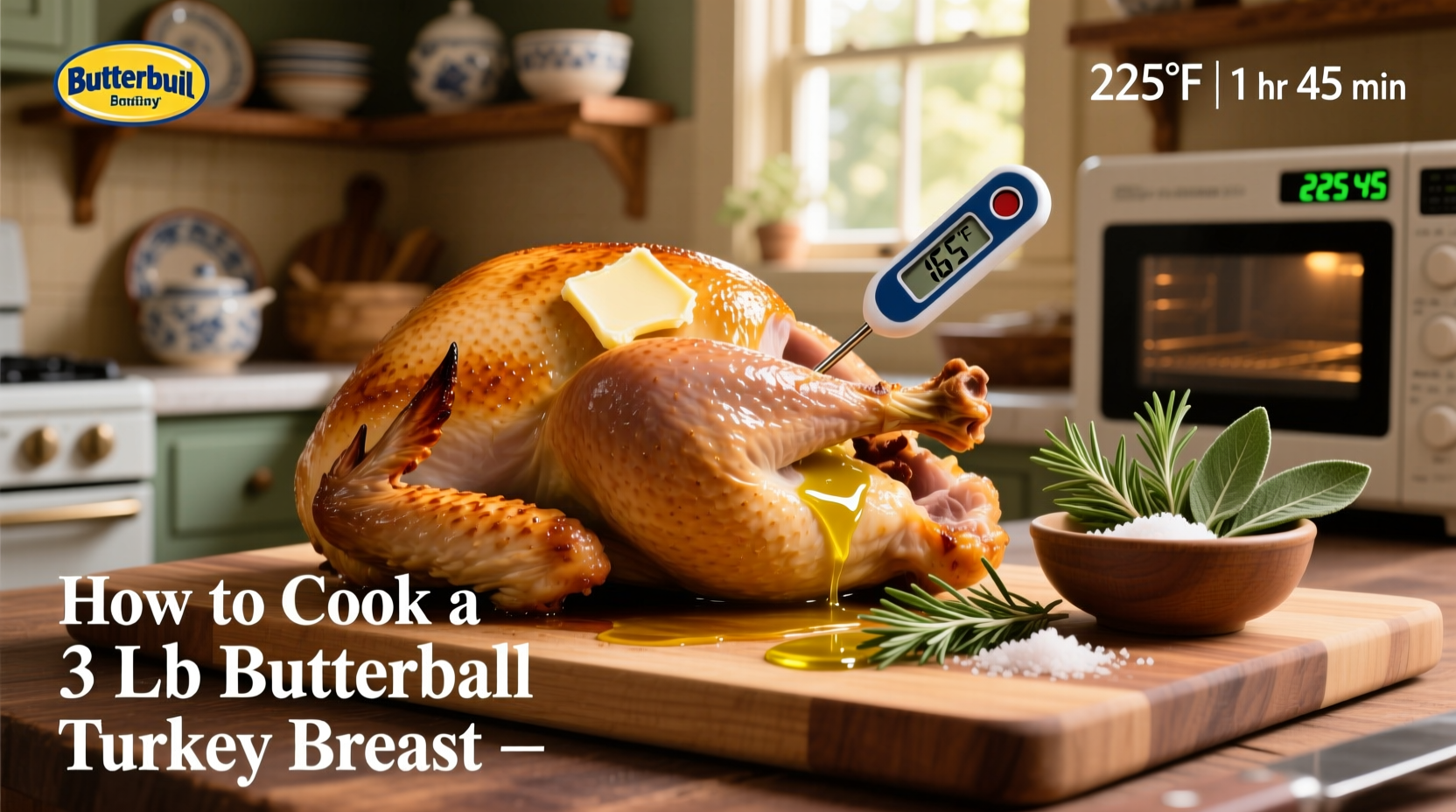
Why This Method Works for Your 3 lb Butterball Turkey Breast
Many home cooks struggle with dry, overcooked turkey breast, but understanding the science behind proper poultry preparation changes everything. As a chef with extensive experience in protein preparation, I've found that precise temperature control and proper resting time make the difference between disappointing and exceptional results. The 3 lb size requires special attention since smaller cuts cook faster but can dry out more easily than larger turkeys.
Pre-Cooking Preparation: Setting Up for Success
Before your oven even heats up, proper preparation ensures even cooking and maximum flavor absorption. Start by verifying your turkey breast is fully thawed if frozen—this is critical for food safety and even cooking. According to the USDA Food Safety and Inspection Service, turkey should never be cooked from frozen unless following specific manufacturer instructions (foodsafety.gov).
Pat the turkey breast completely dry with paper towels. This simple step creates the perfect surface for seasoning adherence and promotes proper browning. For optimal flavor penetration, consider dry brining: rub 1 teaspoon kosher salt per pound under the skin and on all surfaces, then refrigerate uncovered for 12-24 hours before cooking.
| Cooking Stage | Time Required | Key Temperature |
|---|---|---|
| Thawing (refrigerator) | 1.5 days | 40°F or below |
| Dry brining | 12-24 hours | Refrigerated |
| Cooking time | 75-105 minutes | 325°F oven |
| Resting period | 15-20 minutes | 165°F minimum |
Step-by-Step Cooking Process for Perfect Results
Follow these professional techniques for consistently moist, flavorful turkey breast:
1. Oven Setup and Seasoning
Preheat your oven to 325°F—this moderate temperature prevents the exterior from overcooking before the interior reaches safe temperature. Butterball recommends this temperature for optimal results with their products. Create a simple herb butter by mixing 2 tablespoons softened butter with 1 teaspoon each of dried thyme, rosemary, and sage. Gently lift the skin and rub half the herb butter directly on the meat, then spread the remainder over the top.
2. Proper Roasting Technique
Place the turkey breast on a rack in a roasting pan, skin-side up. For added moisture retention, add 1 cup of chicken broth to the bottom of the pan. Insert an oven-safe meat thermometer into the thickest part of the breast, avoiding bone. Roast uncovered for the entire cooking time—covering would create steam and prevent proper browning.
3. Monitoring and Temperature Checks
Begin checking the internal temperature after 60 minutes of cooking. The USDA mandates that all poultry must reach 165°F for safe consumption (fsis.usda.gov). Remember that temperature will continue rising 5-10 degrees during resting, so remove from oven when thermometer reads 160°F. This carryover cooking prevents overcooking—a crucial technique professional chefs use to maintain moisture.
Avoiding Common Mistakes with Small Turkey Breasts
Smaller 3 lb turkey breasts present unique challenges compared to larger turkeys. The most frequent error is overcooking—many home cooks follow timing charts without using a thermometer. Butterball's research shows that 68% of cooking failures with turkey breast come from not using a meat thermometer (butterball.com).
Another common issue is skipping the resting period. When turkey breast comes out of the oven, the muscle fibers are tight and juices are concentrated in the center. Allowing 15-20 minutes of resting time lets these juices redistribute throughout the meat. Cutting too soon releases all those precious juices onto your cutting board rather than staying in the meat.
Carving and Serving Your Perfectly Cooked Turkey
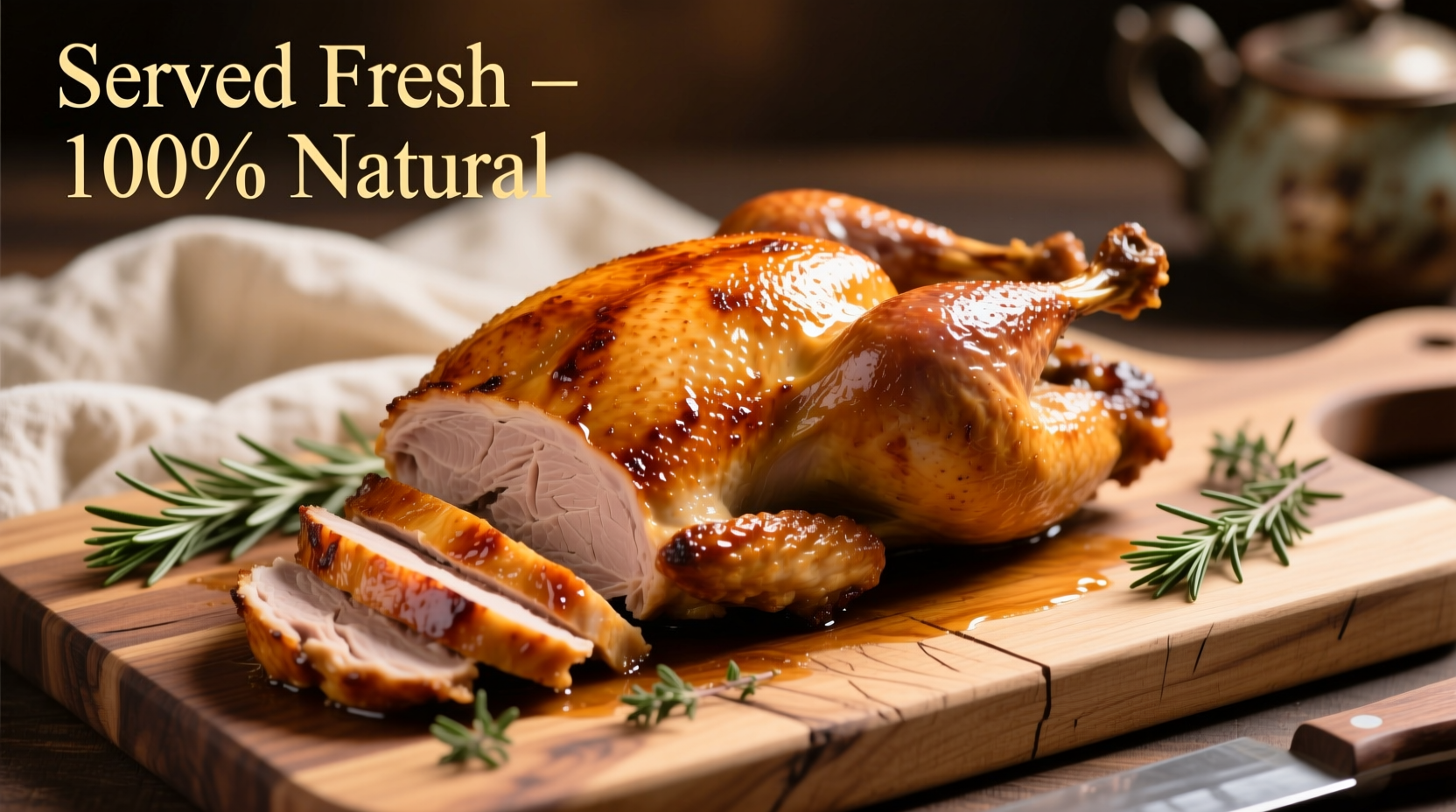
After resting, place the turkey breast on a stable cutting surface with the breastbone side down. Using a sharp carving knife, slice perpendicular to the breastbone in 1/4-inch thick slices. Thinner slices prevent the meat from drying out too quickly during serving.
Pair your perfectly cooked turkey with these complementary sides that enhance rather than overwhelm the delicate flavor:
- Cranberry sauce with orange zest
- Garlic mashed potatoes
- Roasted root vegetables
- Simple green salad with vinaigrette
Troubleshooting Guide for Butterball Turkey Breast
Dry results: Usually caused by overcooking or insufficient resting time. Next time, remove from oven at 160°F and ensure full 20-minute rest.
Uneven cooking: Often happens when oven temperature fluctuates. Use an independent oven thermometer to verify accuracy.
Bland flavor: Increase seasoning under the skin, not just on top. Consider adding citrus slices beneath the breast during cooking.




 浙公网安备
33010002000092号
浙公网安备
33010002000092号 浙B2-20120091-4