
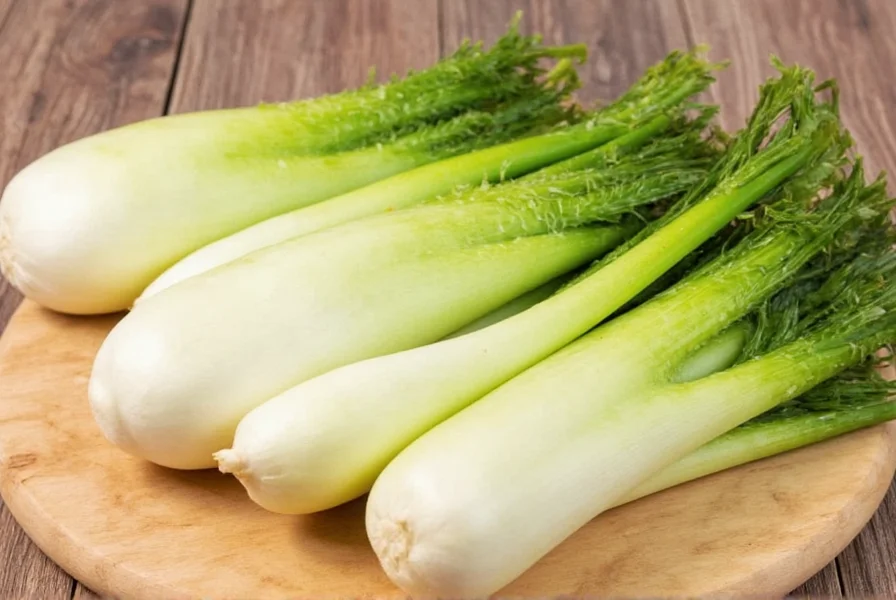
Many home cooks feel intimidated by fennel's unique appearance and licorice-like flavor, but this versatile vegetable is surprisingly simple to prepare once you know the proper techniques. Whether you're using it raw in salads or cooking it to mellow its flavor, understanding how to properly handle fennel makes all the difference in your culinary results.
Understanding Fennel Anatomy and Selection
Fennel consists of three main parts: the bulb (the white, layered base), the feathery green fronds, and the long stalks. When selecting fennel at the market, look for firm, heavy bulbs with crisp white layers and vibrant green fronds. Avoid bulbs with brown spots, splits, or flowering stalks, which indicate age and potential bitterness.
The best time to find high-quality fennel is during its peak season from fall through early spring, though it's often available year-round in most grocery stores. Smaller bulbs tend to be more tender and less fibrous than larger ones, making them ideal for raw preparations.
Step-by-Step Fennel Preparation
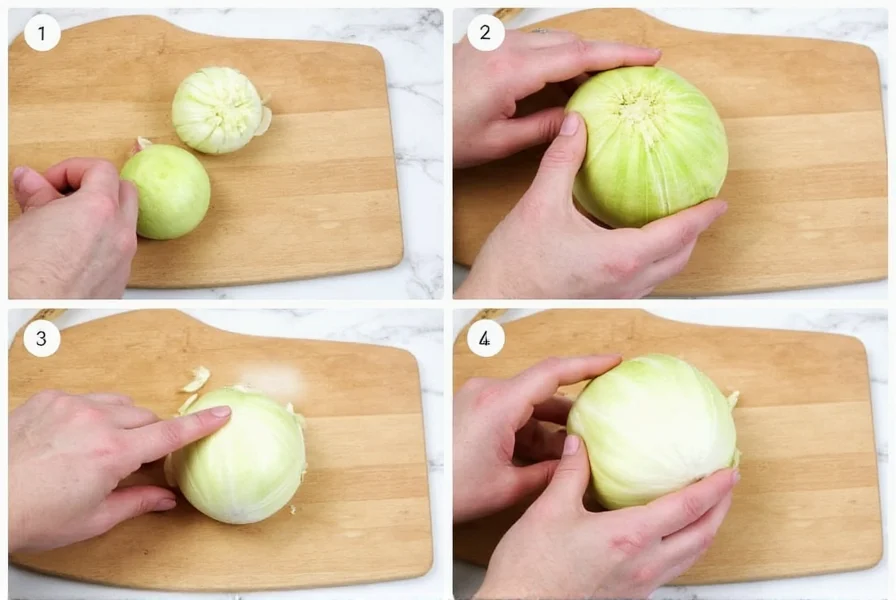
Proper fennel preparation ensures you maximize both flavor and texture in your dishes. Here's how to prepare fennel correctly for various cooking methods:
Basic Cleaning and Trimming
- Remove any wilted or discolored outer layers from the bulb
- Trim the stalks about 1 inch above the bulb using a sharp chef's knife
- Cut off the root end flush with the bottom of the bulb
- Slice the bulb in half lengthwise through the core
- Use a small paring knife to remove the tough triangular core from each half
- Rinse thoroughly under cold running water, separating layers to remove hidden dirt
Slicing Techniques for Different Uses
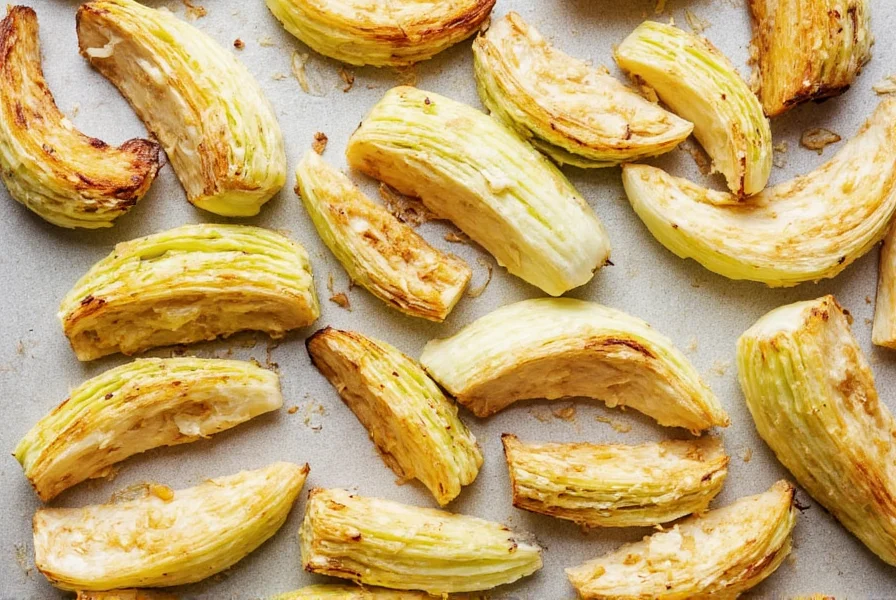
The way you slice fennel affects both cooking time and final texture. For raw applications like salads, thinly slice crosswise for delicate ribbons. For roasting or grilling, cut into 1/2-inch wedges with some core still attached to hold shape. When braising, chop into 1-inch chunks that will soften during slow cooking.
| Preparation Method | Cutting Style | Best For |
|---|---|---|
| Raw | Thin slices or shreds | Salads, slaws, garnishes |
| Roasting | Wedges or thick slices | Oven-roasted side dishes |
| Grilling | Thick slices with core intact | Charred vegetable platters |
| Braising | 1-inch chunks | Stews, soups, slow-cooked dishes |
Cooking Methods for Perfect Fennel
Understanding how to prepare fennel for different cooking techniques transforms this vegetable from potentially overpowering to perfectly balanced in your dishes.
Raw Fennel Preparation
When using fennel raw, slice it paper-thin using a mandoline or sharp knife. Soak the slices in ice water for 15-20 minutes to crisp them and mellow the flavor slightly. This technique works particularly well for how to prepare fennel for salad applications. Toss with citrus juice to prevent browning and complement fennel's natural flavor.
Roasting Fennel Properly
For roasting, cut fennel into wedges, toss with olive oil, salt, and pepper, and roast at 400°F (200°C) for 25-35 minutes until caramelized and tender. The high heat transforms fennel's licorice notes into sweet, nutty flavors. This is one of the best ways to prepare fennel bulb for beginners as it's difficult to overcook.
Using Fennel Fronds
Don't discard those feathery green fronds! They function as an herb with a mild fennel flavor. Chop finely and use as garnish, add to vinaigrettes, or incorporate into compound butters. They're perfect for how to prepare fennel without waste and add visual appeal to finished dishes.
Storage Tips for Fresh Fennel
Proper storage extends fennel's shelf life significantly. Store uncut fennel in the refrigerator's crisper drawer in a perforated plastic bag for up to 5 days. If you've already prepared the fennel by slicing or chopping, store it in an airtight container with a damp paper towel for 2-3 days. For longer storage, blanch sliced fennel for 2 minutes, then freeze in a single layer before transferring to freezer bags.
Simple Recipe Applications
Now that you know how to prepare fresh fennel properly, try these straightforward applications:
- Fennel and Orange Salad: Thinly sliced raw fennel with orange segments, red onion, and a citrus vinaigrette
- Roasted Fennel Side: Toss wedges with olive oil, garlic, and thyme, then roast until caramelized
- Fennel Soup: Sauté chopped fennel with onions and potatoes, then simmer in broth until tender
- Grilled Fennel: Marinate thick slices in lemon juice and olive oil before grilling
Troubleshooting Common Fennel Preparation Issues
If your fennel turns out too fibrous, you likely selected an oversized bulb or didn't remove enough tough outer layers. For overly strong licorice flavor, try cooking methods like roasting or braising that mellow the taste. When fennel browns too quickly during cooking, reduce the heat and add a splash of liquid to create steam.




 浙公网安备
33010002000092号
浙公网安备
33010002000092号 浙B2-20120091-4