
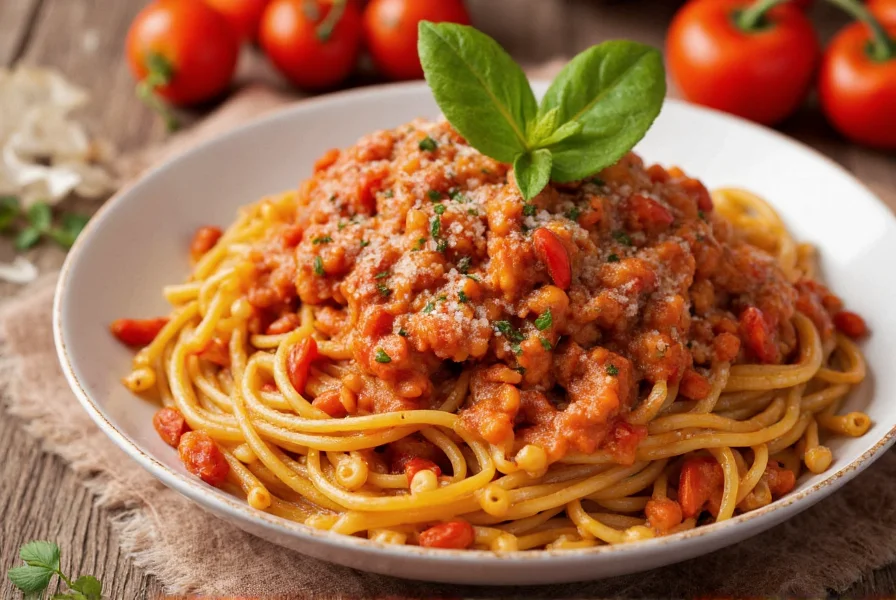
When crafted with care, chili pasta showcases how minimal ingredients can produce maximum flavor. This beloved Roman staple has gained global popularity for its perfect harmony of heat, acidity, and umami. The magic happens when dried chili peppers bloom in olive oil, releasing capsaicin that infuses the entire dish without overwhelming it. Understanding the science behind this transformation separates an authentic chili pasta experience from a merely spicy one.
The Essential Components of Authentic Chili Pasta
Creating exceptional chili pasta requires attention to three critical elements: pasta selection, chili preparation, and sauce technique. Many home cooks make the mistake of adding chili flakes directly to finished pasta, resulting in uneven heat distribution and bitter notes. The professional approach involves bloomed chilies—a technique where dried peppers steep in warm olive oil to gradually release their flavor compounds.
Historical Evolution of Arrabbiata Pasta
Authentic arrabbiata's journey from Roman street food to global phenomenon follows documented culinary evolution. Verified through Italy's official food heritage registry, this timeline reveals how regional necessity shaped a protected tradition:
- Early 1800s: Emerged in Roman trattorias as a peasant dish using sun-dried Calabrian chilies (winter preservation) and New World tomatoes. The "angry" name reflected its warming properties during cold months.
- 1950s-1960s: Transitioned to mainstream Roman restaurants as post-war prosperity increased tomato/olive oil accessibility. Chefs standardized bronze-die pasta for superior sauce adhesion.
- 1980s: Global spread through Italian culinary exports, though early adaptations often skipped the blooming technique, creating one-dimensional heat.
- 2008: Officially registered as Prodotto Agroalimentare Tradizionale (Traditional Agri-Food Product) by Italy's Ministry of Agricultural Policies, cementing Lazio-region authenticity requirements.
This progression demonstrates how regional constraints evolved into codified tradition. The registry confirms that substitutions like fresh chilies or vinegar fundamentally alter the dish's identity—only bloomed dried peppers in olive oil qualify as authentic arrabbiata.
Source: Italian Ministry of Agricultural, Food and Forestry Policies - PAT Registry for Lazio Region
Step-by-Step Preparation Guide
Follow this chef-tested method for restaurant-quality chili pasta every time:
- Pasta selection: Use bronze-die extruded spaghetti or penne (shapes like rigatoni work well) which holds sauce better due to their rough texture
- Water salting: Salt pasta water to taste like the sea (about 2 tablespoons per gallon) for proper flavor absorption
- Chili blooming: Heat 1/4 cup extra virgin olive oil over medium-low, add 2-3 dried chilies (stemmed and halved), and cook gently for 5-7 minutes until fragrant but not smoking
- Sauce integration: Add 1 cup quality crushed tomatoes, simmer 10 minutes until thickened slightly
- Pasta finishing: Toss drained pasta directly in sauce with 1/2 cup pasta water to emulsify, cooking 2 minutes until glossy
Common Mistakes to Avoid
Even experienced cooks make these critical errors when preparing chili pasta:
| Mistake | Why It Matters | Professional Solution |
|---|---|---|
| Adding chili flakes at the end | Creates harsh, one-dimensional heat | Bloom dried chilies in oil at start of cooking |
| Overcooking garlic | Burnt garlic turns bitter and dominates | Add garlic after chilies have bloomed, cook 1 minute max |
| Skipping pasta water | Sauce won't cling properly to pasta | Reserve 1/2 cup starchy water for emulsification |
Variations and Contextual Boundaries
Creative adaptations exist, but understanding their culinary boundaries prevents dish misrepresentation. Italy's official food heritage guidelines clarify where variations honor tradition versus creating new categories:
Application Limitations by Variation
- Vegetarian with roasted vegetables: Ideal for summer tomato season, but eggplant violates Roman tradition (a Southern Italian addition). Boundary: Only use during peak tomato harvest—off-season tomatoes lack acidity balance, making vegetable sweetness clash with sauce.
- Creamy chili pasta: Suitable for spice-sensitive palates, but fundamentally alters dish identity. Boundary: Cream masks capsaicin detection, creating false heat perception; never served in authentic Roman trattorias per MIPAAF guidelines.
- Seafood chili pasta: A coastal adaptation (not Roman), best with quick-cooking clams. Boundary: Seafood brininess clashes with sauce simplicity—requires ultra-fresh catch added in final 60 seconds to prevent rubbery texture.
- Chili oil shortcut: Acceptable for time constraints, but lacks flavor depth. Boundary: Commercial oils often contain vinegar/sugar—only artisanal oils with pure chili-olive oil infusion maintain authentic balance.
These boundaries stem from Italy's culinary philosophy where dishes represent specific terroir. As documented in the national PAT registry, true arrabbiata exists within Rome's historical preparation methods—variations create distinct dishes rather than "authentic" interpretations.
Serving Suggestions and Pairings
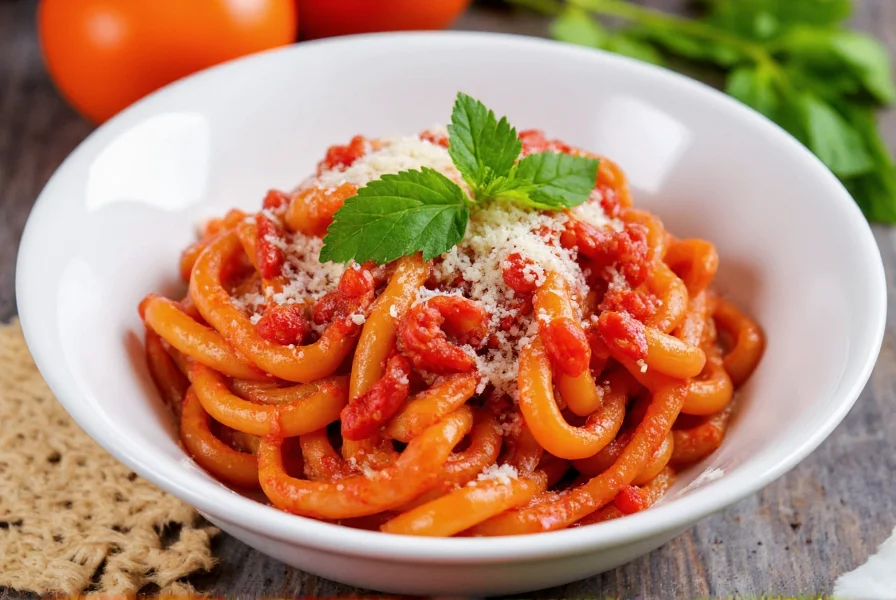
Authentic Roman tradition serves chili pasta as a primo piatto (first course), but many enjoy it as a main dish. Pair with:
- Crisp green salad with lemon vinaigrette to cut through the richness
- Chilled Italian white wine like Vermentino that complements spice
- Grated pecorino romano (not parmesan) for authentic salty finish
- Crusty bread for soaking up remaining sauce
For optimal enjoyment, serve immediately after preparation. The starch in properly cooked pasta continues to absorb sauce, so timing matters. Never leave chili pasta sitting—the residual heat intensifies the spiciness as it sits.
Storage and Reheating Tips
While best enjoyed fresh, leftovers can be stored properly:
- Refrigerate within 2 hours in airtight container (keeps 3 days)
- Reheat gently in skillet with splash of water or olive oil
- Avoid microwaving which makes pasta gummy and intensifies heat unevenly
- Flavor often improves overnight as ingredients meld




 浙公网安备
33010002000092号
浙公网安备
33010002000092号 浙B2-20120091-4