
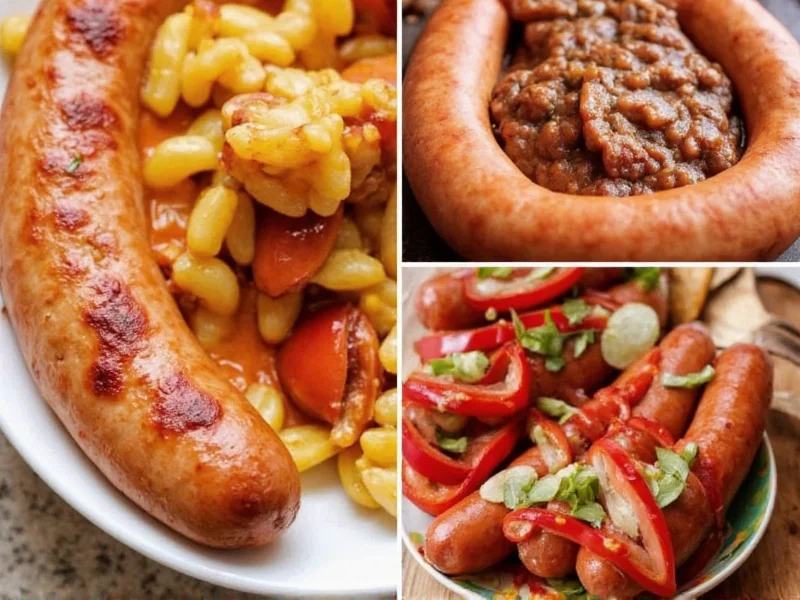
Creating exceptional hot sausage at home requires understanding the delicate balance between meat selection, fat content, and spice integration. Unlike store-bought varieties, homemade hot sausages allow you to control heat levels precisely while ensuring premium ingredients and food safety standards. This guide provides authentic recipes and professional techniques that transform basic ingredients into restaurant-quality spicy sausages.
What Makes Sausage "Hot"
The heat in sausage comes from carefully calibrated spice blends, not just random chili additions. Professional sausage makers understand that capsaicin distribution, particle size, and complementary flavors determine the quality of heat. Coarsely ground red pepper flakes provide intermittent heat bursts, while cayenne pepper delivers consistent warmth throughout. The fat content (ideally 25-30%) carries these flavors, making proper meat selection crucial for balanced heat.
Historical Evolution of Hot Sausage
Hot sausage development reflects centuries of culinary adaptation across cultures, with key technological and agricultural milestones shaping modern recipes:
- Pre-1500s: Preservation-focused recipes using available regional spices (black pepper in Europe, native chilies in Mesoamerica); no standardized heat control
- 16th Century: Columbian Exchange introduces chili peppers to Europe; Italian sausage evolves with fennel-garlic blends to complement new heat sources
- 1800s: Industrial meat grinders enable consistent texture; Cajun andouille develops in Louisiana using smoke curing for preservation
- Early 1900s: Refrigeration technology allows home sausage making; USDA establishes first meat safety standards in 1906
- Post-WWII: Commercial spice standardization (1948); modern fat-ratio guidelines emerge from University of Minnesota meat science research (1960s)
Source: National Hot Dog and Sausage Council Historical Timeline of Sausage Development
Essential Ingredients for Quality Hot Sausage
Successful hot sausage begins with selecting the right meat-to-fat ratio. Pork shoulder (Boston butt) provides the ideal 70% lean to 30% fat ratio, though some recipes incorporate pork belly for additional richness. Key spice components include:
- Freshly ground black pepper for complexity
- Cayenne pepper for consistent heat
- Crushed red pepper flakes for texture and variable heat
- Paprika (sweet or smoked) for depth
- Garlic and fennel for traditional flavor profiles
| Sausage Type | Primary Heat Source | Fat Ratio | Signature Flavor |
|---|---|---|---|
| Italian Hot | Crushed red pepper | 25-30% | Fennel, garlic |
| Andouille | Cayenne, black pepper | 20-25% | Smoked paprika |
| Chorizo | Hot paprika | 30-35% | Vinegar, oregano |
| Breakfast Patties | Cayenne, mustard powder | 20-25% | Sage, nutmeg |
Contextual Applications and Limitations
Each hot sausage variety has specific culinary contexts where it excels, along with critical limitations affecting performance:
- Italian Hot Sausage: Ideal for pasta sauces and grilled sandwiches where fennel complements tomatoes. Limitation: Vinegar-based dishes cause flavor separation due to its high fat content (USDA FSIS guidelines note >30% fat reduces acid stability)
- Andouille: Essential for gumbo and jambalaya where smoke penetrates slow-cooked liquids. Limitation: Ineffective in quick-sear applications (minimum 2-hour cooking required to develop flavor per Louisiana State University AgCenter)
- Chorizo: Perfect for bean dishes and tacos with its vinegar content enhancing legume texture. Limitation: Unsuitable for dairy-based sauces (acid curdles milk proteins; Penn State Food Science confirms pH conflict)
- Breakfast Patties: Optimized for high-heat morning cooking with sage-nutmeg balance. Limitation: Degrades in soups (spice sedimentation occurs in liquids >15 minutes per American Meat Science Association)
Source: USDA Food Safety and Inspection Service Sausage Safety Guidelines
Equipment Essentials for Homemade Sausage
While basic hot sausage recipes can be made without specialized equipment, these tools significantly improve results:
- Meat grinder with sausage stuffing attachment
- Digital kitchen scale for precise measurements
- Instant-read thermometer for safety
- Mixing bowls chilled in freezer
- Natural or collagen casings (optional for links)
Temperature control proves critical during preparation. Keep all equipment and ingredients below 40°F to prevent fat smearing, which destroys texture. Many home sausage makers chill their grinder parts in the freezer for 30 minutes before use.
Classic Hot Sausage Recipes
Authentic Italian Hot Sausage
This traditional recipe yields eight 6-inch links with balanced heat and herbal notes:
- 2 lbs pork shoulder, cubed and chilled
- 0.5 lbs pork fatback, cubed and chilled
- 1.5 tbsp kosher salt
- 1 tbsp freshly ground black pepper
- 2 tsp crushed red pepper flakes
- 1.5 tsp dried oregano
- 1 tbsp fennel seeds, lightly toasted
- 3 cloves garlic, minced
- 2 tbsp red wine (optional)
- Natural hog casings, soaked
Grind meat and fat through coarse plate, mix with seasonings, stuff into casings, twist into links, and refrigerate 12-24 hours before cooking to develop flavors.
Spicy Andouille Sausage
This Cajun-style sausage features deep, complex heat:
- 2 lbs coarsely ground pork
- 0.5 lbs finely ground pork fat
- 1 tbsp smoked paprika
- 1.5 tsp cayenne pepper
- 1 tbsp garlic powder
- 1.5 tsp black pepper
- 1 tsp thyme
- 1 tsp oregano
- 1.5 tbsp salt
- 1 cup ice-cold water
Mix all ingredients thoroughly, stuff into casings, smoke at 160°F for 2 hours, then increase to 180°F until internal temperature reaches 155°F.
Critical Food Safety Practices
When preparing hot sausage recipes at home, strict food safety protocols prevent illness:
- Maintain temperatures below 40°F during preparation
- Cook sausages to minimum 160°F internal temperature
- Use separate cutting boards for raw meat
- Sanitize all equipment with 1:50 bleach solution
- Refrigerate leftovers within 2 hours
Never taste raw sausage mixture. The combination of ground meat and added moisture creates ideal conditions for bacterial growth. Always use an accurate thermometer rather than visual cues to determine doneness.
Cooking Methods for Perfect Results
Different cooking techniques yield distinct textures and flavor profiles:
- Pan-frying: Medium heat in cast iron for even browning
- Grilling: Indirect heat first, then sear over flames
- Simmering: In beer or broth for tender results
- Smoking: For deep flavor development (165-180°F)
Regardless of method, never pierce sausages during cooking—this releases precious juices and fat that carry the spicy flavors. Allow sausages to rest 5 minutes after cooking for optimal juiciness.
Troubleshooting Common Issues
Even experienced home sausage makers encounter these challenges:
- Dry sausage: Increase fat content to 30% or add 2-3 tbsp ice water during mixing
- Crumbly texture: Insufficient fat or overmixing—handle mixture gently
- Uneven heat: Spice distribution problem—mix longer or dissolve spices in liquid
- Casings bursting: Too much filling or air pockets—fill casings moderately
Serving Suggestions for Hot Sausages
Complement the heat with these pairing strategies:
- Sweet elements like caramelized onions or apple slices
- Cooling dips: mustard aioli or roasted pepper spread
- Starchy sides: polenta, mashed potatoes, or crusty bread
- Acidic components: pickled vegetables or tomato-based sauces
For Italian hot sausage, try the classic preparation with peppers and onions over crusty bread. Andouille shines in gumbo or jambalaya, while chorizo pairs beautifully with beans and rice.




 浙公网安备
33010002000092号
浙公网安备
33010002000092号 浙B2-20120091-4