
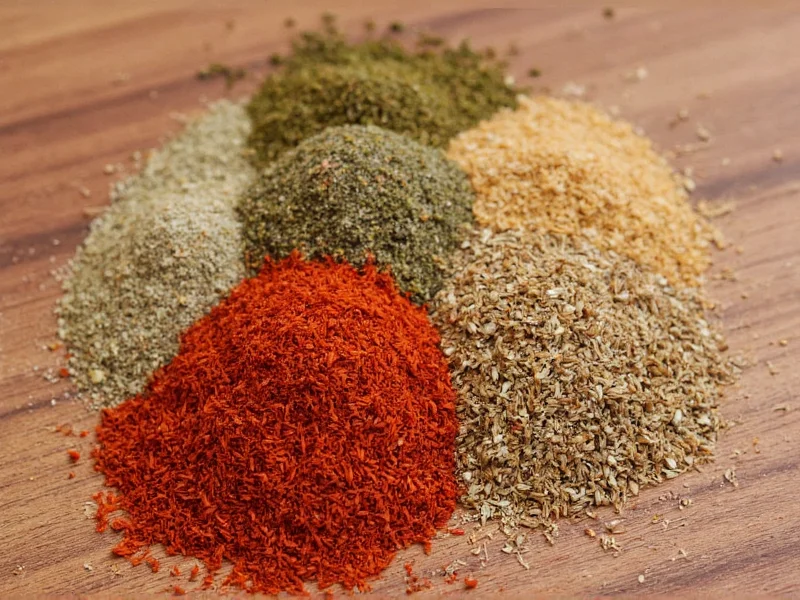
Creating your own italian seasoning blend gives you control over freshness and ingredient quality. Unlike store-bought versions that may contain fillers or inconsistent ratios, homemade blends deliver superior flavor and aroma. Understanding the core components and proper usage transforms ordinary meals into restaurant-quality dishes with minimal effort.
Core Ingredients in Authentic Italian Seasoning
The magic of italian seasoning blend comes from its carefully balanced dried herbs. While commercial blends vary, authentic versions focus on these essential components:
| Herb | Flavor Profile | Percentage in Blend |
|---|---|---|
| Oregano | Earthy, slightly bitter, robust | 30% |
| Basil | Sweet, peppery, clove-like | 25% |
| Marjoram | Milder cousin of oregano, floral | 20% |
| Thyme | Subtle lemon notes, earthy | 15% |
| Rosemary | Pine-like, strong, aromatic | 10% |
Some regional variations might include sage, garlic powder, or red pepper flakes, but purists argue these additions stray from traditional italian seasoning blend composition. The key difference between authentic blends and inferior versions lies in the absence of fillers like cellulose or anti-caking agents.
Historical Evolution: American Origins of Italian Seasoning
Contrary to popular belief, Italian seasoning blend is an American invention with no traditional roots in Italy. As documented by the Smithsonian Institution, the pre-mixed herb blend emerged in the United States during the post-World War II era when returning soldiers popularized Italian-American cuisine. Commercial food producers created these blends to simplify cooking for home chefs seeking "authentic" Italian flavors. The following timeline illustrates key developments:
| Time Period | Development | Impact on Italian Seasoning |
|---|---|---|
| 1940s-1950s | American soldiers stationed in Italy develop taste for local cuisine; food companies begin adapting recipes for mass market | First commercial "Italian" seasoning blends introduced, though formulas varied widely |
| 1960s | Growth of supermarket culture and convenience foods | Standardized blends (oregano, basil, marjoram, thyme, rosemary) become pantry staples |
| 1970s-1980s | Rise of Italian-American restaurant chains | Blends gain consistent composition; marketing emphasizes "authenticity" despite Italian culinary traditions using individual herbs |
| Present Day | Global popularity of Italian cuisine | Widely used in American cooking but remains uncommon in Italy, where fresh or single dried herbs prevail |
Source: Smithsonian Magazine, "The True History of Italian-American Food" (2017)
Creating Your Own Homemade Italian Seasoning Recipe
Follow this simple homemade italian seasoning recipe for maximum freshness and flavor control. You'll need:
- 3 tablespoons dried oregano
- 2½ tablespoons dried basil
- 2 tablespoons dried marjoram
- 1½ tablespoons dried thyme
- 1 tablespoon dried rosemary (crushed)
Combine all ingredients in a small bowl, mixing thoroughly. Transfer to an airtight container away from light and heat. Properly stored homemade italian seasoning maintains peak flavor for 4-6 months, significantly longer than many commercial blends.
Best Uses for Italian Seasoning in Everyday Cooking
Understanding how to use italian seasoning effectively elevates your cooking. The best uses for italian seasoning include:
- Pasta sauces: Add 1-2 teaspoons to tomato-based sauces during simmering
- Roasted vegetables: Toss with olive oil and 1 teaspoon per pound of vegetables
- Meat rubs: Combine with olive oil and garlic for chicken, pork, or steak
- Bread dipping oil: Mix 1 tablespoon with ¼ cup olive oil and balsamic vinegar
- Homemade salad dressings: Incorporate into vinaigrettes for Mediterranean salads
For optimal flavor release, add italian seasoning blend early in the cooking process for long-simmered dishes, but incorporate it during the last 10-15 minutes for quick-cooking recipes. This timing prevents delicate herb flavors from evaporating during extended cooking.
Context Boundaries: When Italian Seasoning Fits (and When It Doesn't)
Understanding the appropriate culinary contexts prevents flavor mismatches and preserves authenticity. Per the Italian National Tourist Board (ENIT), traditional Italian cooking relies on fresh or individually dried herbs, making pre-mixed blends unsuitable for regional Italian dishes. Below is a practical application guide:
| Culinary Scenario | Recommended Usage | Key Consideration |
|---|---|---|
| Classic American-Italian dishes (spaghetti with meatballs, pizza) | Highly appropriate | Matches expected flavor profile; enhances tomato-based sauces and meats |
| Traditional regional Italian dishes (e.g., Tuscan ribollita) | Avoid or use minimally | Authentic preparations use specific fresh/dried herbs; blends alter regional character |
| Quick weeknight meals (roasted vegetables, simple pasta) | Ideal for efficiency | Provides consistent flavor with minimal effort; superior to stale individual herbs |
| Delicate preparations (fish, light cream sauces) | Use sparingly (½ tsp or less) | Robust herbs like rosemary can overpower subtle flavors; consider individual selection |
Source: Italian National Tourist Board (ENIT), "Italian Cuisine: A Culinary Journey"
Italian Seasoning Substitute Options
When you need an italian seasoning substitute, consider these alternatives based on available ingredients:
- Herbes de Provence: Similar but contains lavender (use ¾ teaspoon for every 1 teaspoon italian seasoning)
- Individual herbs: Combine equal parts oregano, basil, and thyme
- Pizza seasoning: Works as a substitute but often contains garlic and onion powder
- Dried parsley plus individual herbs: Mix 2 parts parsley with 1 part each oregano and basil
Remember that herbes de provence vs italian seasoning differs primarily in the inclusion of lavender and sometimes fennel in the French blend, making it less suitable for tomato-based dishes but excellent for roasted meats.
Storage Tips for Maximum Freshness
Proper storage preserves the volatile oils that give your homemade italian seasoning blend its characteristic aroma. Follow these storage tips for dried herb blends:
- Use dark glass or opaque containers to protect from light exposure
- Store in a cool, dry place away from stoves or dishwashers
- Avoid refrigeration which introduces moisture that degrades quality
- Label containers with creation date to track freshness
- Never store above 70°F (21°C) to prevent essential oil evaporation
Test your blend's freshness by rubbing a small amount between your fingers. Fresh italian seasoning should release a strong, pleasant aroma. If the scent is faint or musty, it's time to make a new batch. Properly stored, your homemade blend maintains optimal flavor for 4-6 months.




 浙公网安备
33010002000092号
浙公网安备
33010002000092号 浙B2-20120091-4