
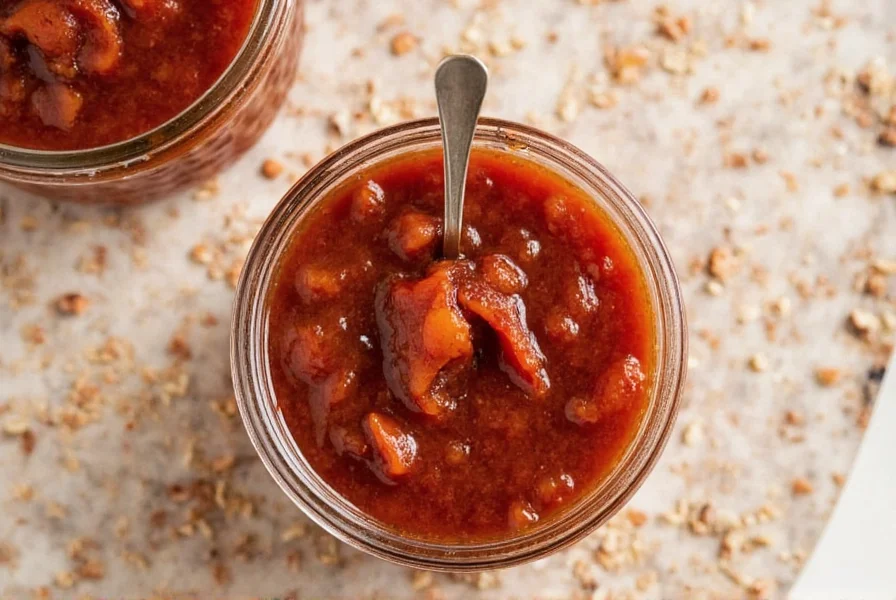
Understanding how to properly use hot pepper bacon jam can transform your culinary creations from ordinary to extraordinary. This unique condiment has gained popularity among home cooks and professional chefs alike for its ability to add depth and complexity to a wide range of dishes. Unlike traditional fruit-based jams, hot pepper bacon jam offers a savory-sweet experience with a kick of heat that elevates everything it touches.
What Makes Hot Pepper Bacon Jam Special
Hot pepper bacon jam combines the rich umami of slow-cooked bacon with the sweetness of sugar and the heat of peppers, creating a flavor profile that's simultaneously complex and balanced. The magic happens during the cooking process when the bacon fat renders and caramelizes with sugar, while vinegar provides necessary acidity to cut through the richness. The addition of hot peppers—typically jalapeños, habaneros, or chipotles—brings both heat and distinctive pepper flavor.
When evaluating quality hot pepper bacon jam, look for these characteristics:
| Quality Indicator | What to Look For |
|---|---|
| Texture | Smooth with small bacon bits, not greasy or separated |
| Flavor Balance | Sweetness that complements rather than overwhelms the bacon and heat |
| Heat Level | Noticeable but not overwhelming; should enhance rather than dominate |
| Smokiness | Distinct bacon flavor without artificial smoke additives |
Perfect Pairings for Hot Pepper Bacon Jam
Knowing what to eat with hot pepper bacon jam separates casual users from true connoisseurs. The sweet-spicy-bacon trifecta makes this condiment incredibly versatile across multiple food categories.
Cheese Pairings
Hot pepper bacon jam creates exceptional harmony with various cheeses. The saltiness of the cheese balances the sweetness of the jam, while the fat content mellow the heat. Consider these pairings:
- Creamy cheeses: Brie, Camembert, and goat cheese provide a smooth canvas that lets the jam's complexity shine
- Aged cheeses: Sharp cheddar, Gouda, and Manchego develop fascinating flavor interactions with the jam's sweetness
- Blue cheeses: The bold flavors of Stilton or Roquefort create a sophisticated contrast with the jam's sweetness

Protein Complements
Hot pepper bacon jam's natural affinity for proteins makes it an exceptional glaze, topping, or accompaniment:
- Breakfast applications: Elevates scrambled eggs, omelets, and breakfast sandwiches with its sweet heat
- Poultry: Creates a beautiful caramelized crust on chicken or turkey when used as a glaze
- Pork: Complements pork chops, tenderloin, and ham with its shared bacon base
- Seafood: Surprisingly effective with salmon and shrimp, where the sweetness balances the oceanic flavors
Creative Culinary Applications
Move beyond basic pairing suggestions with these innovative hot pepper bacon jam uses that showcase its versatility in the kitchen.
As a Cooking Ingredient
Incorporate hot pepper bacon jam directly into recipes for added depth:
- Mix into burger patties for a flavor explosion
- Stir into barbecue sauces for enhanced complexity
- Add to meatloaf or meatball mixtures for moisture and flavor
- Whisk into vinaigrettes for salad dressings with unexpected depth
Breakfast Transformations
Start your day with a flavor boost by using hot pepper bacon jam in morning meals:
- Spread on toast instead of traditional jam
- Mix into cream cheese for a savory bagel topping
- Add to breakfast burritos for sweet heat contrast
- Drizzle over pancakes or waffles for a sweet-savory twist
Making Your Own Hot Pepper Bacon Jam
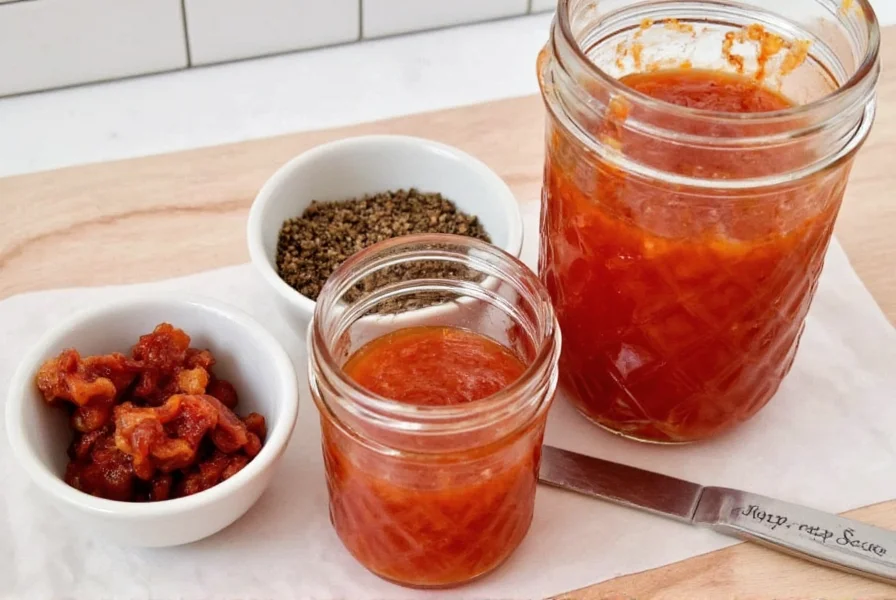
While quality commercial options exist, homemade hot pepper bacon jam allows for complete flavor customization. The basic process involves slowly cooking down bacon with sugar, vinegar, and hot peppers until the flavors meld and the mixture thickens.
Key considerations for homemade versions:
- Use thick-cut bacon for better texture and flavor
- Adjust pepper types and quantities to control heat level
- Balance sweeteners (brown sugar, maple syrup, honey) to match your preference
- Include aromatics like onions or garlic for additional complexity
- Properly sterilize jars for safe storage if canning
Storage and Shelf Life
Understanding proper storage ensures you enjoy hot pepper bacon jam at its peak quality. Commercially prepared jams typically contain preservatives that extend shelf life, while homemade versions require more careful handling.
Storage guidelines:
- Unopened commercial jars: Store in a cool, dark place for 12-18 months
- Opened commercial jars: Refrigerate and use within 2-3 months
- Homemade jam (properly canned): Store unopened in pantry for 1 year
- Homemade jam (refrigerated): Consume within 3-4 weeks
- Freezing: Portion into ice cube trays, then transfer to freezer bags for up to 6 months
Frequently Asked Questions
What cheeses pair best with hot pepper bacon jam?
Creamy cheeses like brie and goat cheese create the most harmonious pairing with hot pepper bacon jam, as their richness balances the jam's sweetness and heat. Aged cheeses such as sharp cheddar and smoked gouda also work exceptionally well, creating complex flavor interactions. For adventurous palates, blue cheeses like Stilton offer a bold contrast that many find delightful.
Can I use hot pepper bacon jam as a meat glaze?
Absolutely. Hot pepper bacon jam makes an excellent glaze for proteins, particularly chicken, pork, and salmon. For best results, apply during the last 5-10 minutes of cooking to prevent burning. The sugar content caramelizes beautifully, creating a flavorful crust while the vinegar in the jam helps tenderize the meat. For grilling, thin the jam slightly with apple cider vinegar or broth to prevent sticking.
How spicy is typical hot pepper bacon jam?
The heat level varies significantly by brand and recipe. Most commercial hot pepper bacon jams offer mild to moderate heat that enhances rather than overwhelms. The sweetness typically balances the spice, creating a complex flavor profile rather than intense heat. If you're sensitive to spice, look for products specifying "mild" or check the pepper variety used—jalapeños provide moderate heat while habaneros create significantly more intense versions.
What's the difference between regular bacon jam and hot pepper bacon jam?
The primary difference is the addition of hot peppers in hot pepper bacon jam. Regular bacon jam focuses on the sweet-savory profile of bacon, sugar, and vinegar, while hot pepper bacon jam incorporates various peppers (like jalapeños, habaneros, or chipotles) to add heat and additional pepper flavor notes. This creates a more complex flavor profile with sweet, salty, smoky, and spicy elements working in harmony.
Can I make hot pepper bacon jam vegetarian?
Yes, you can create a vegetarian alternative using smoked paprika, liquid smoke, or smoked sea salt to replicate the bacon flavor. Substitute the bacon with mushrooms (particularly shiitake), eggplant, or coconut for texture. The sugar, vinegar, and hot pepper components remain the same. While it won't have the exact same flavor profile as traditional bacon jam, it can still deliver a delicious sweet-spicy condiment with similar culinary applications.




 浙公网安备
33010002000092号
浙公网安备
33010002000092号 浙B2-20120091-4