
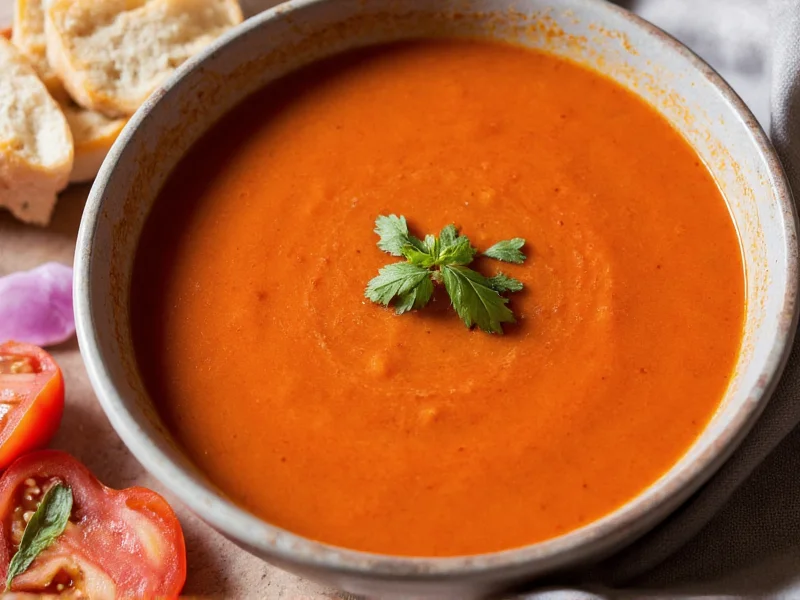
Nothing compares to the vibrant flavor of homemade tomato soup made from scratch. Unlike canned versions loaded with preservatives, fresh preparation lets you control ingredients and create a richer, more nuanced taste. This guide reveals professional techniques for achieving restaurant-quality results in your kitchen.
Why Homemade Beats Canned Every Time
Commercial tomato soups often contain high sodium levels, artificial thickeners, and preservatives that dull natural flavors. When you make soup from fresh ingredients, you gain complete control over texture, seasoning, and nutritional content. The difference becomes immediately apparent in both aroma and taste complexity.
Essential Ingredients for Flavorful Tomato Soup
Selecting quality components forms the foundation of exceptional soup. While recipes vary, these elements consistently deliver superior results:
| Ingredient | Why It Matters | Pro Tip |
|---|---|---|
| Ripe tomatoes | Provide natural sweetness and acidity balance | Use San Marzano canned tomatoes when fresh aren't in season |
| Yellow onion | Creates aromatic base without overpowering | Sauté until translucent, not browned |
| Fresh garlic | Adds depth without sharpness | Add after onions to prevent burning |
| Carrot | Naturally sweetens and balances acidity | Finely dice for even cooking |
| Fresh basil | Provides bright herbal notes | Add at the end for maximum flavor impact |
Step-by-Step Preparation Guide
Follow these chef-approved techniques for perfect tomato soup every time:
1. Build Your Flavor Foundation
Sauté diced onions and carrots in olive oil over medium heat until softened (about 8 minutes). Add minced garlic during the last two minutes. This gentle cooking develops sweetness without caramelization that would alter the soup's bright character.
2. Incorporate Tomatoes Properly
Add crushed tomatoes and tomato paste, stirring to coat vegetables. Cook for 3-4 minutes to deepen flavors through the "tomato bloom" technique. This crucial step removes any metallic taste from canned products.
3. Simmer for Maximum Flavor Development
Pour in vegetable broth and bring to a gentle simmer. Avoid boiling, which can make tomatoes bitter. Simmer uncovered for 25-30 minutes to concentrate flavors while maintaining freshness.
4. Achieve Perfect Texture
Use an immersion blender for smooth results without introducing air bubbles that happen with countertop blenders. For restaurant-style silkiness, strain through a fine-mesh sieve after blending.
Avoid These Common Tomato Soup Mistakes
- Over-relying on cream - Many add too much dairy, which masks tomato flavor. A small splash at the end enhances without dominating
- Skipping acid balance - A teaspoon of balsamic vinegar or lemon juice brightens flavors
- Using poor quality canned tomatoes - Choose whole peeled San Marzano DOP tomatoes when fresh aren't available
- Overcooking fresh herbs - Add basil and parsley at the very end to preserve their vibrant character
Delicious Variations to Try
Customize your homemade tomato soup with these chef-inspired twists:
Creamy Tomato Basil Soup (Dairy-Free)
Blend in 1/2 cup cooked white beans instead of cream for velvety texture with added protein. The beans create richness without dairy while maintaining clean tomato flavor.
Spicy Arrabbiata Style
Add 1/2 teaspoon red pepper flakes with the garlic and finish with fresh oregano. This Italian-inspired variation pairs perfectly with crusty bread.
Roasted Tomato Version
Roast tomatoes, onions, and garlic at 400°F for 30 minutes before blending. The caramelization adds smoky depth ideal for cooler months.
Proper Storage and Reheating
Homemade tomato soup maintains best quality for 3-4 days refrigerated in airtight containers. For longer storage, freeze in portion-sized containers for up to 3 months. When reheating, add a splash of broth to restore ideal consistency as soups often thicken when chilled.
Serving Suggestions for Maximum Enjoyment
Elevate your homemade tomato soup with these professional touches:
- Drizzle with basil oil or pesto for visual appeal and flavor enhancement
- Serve with grilled cheese sandwiches using artisan bread
- Add croutons made from day-old sourdough for textural contrast
- Garnish with microgreens or fresh herb sprigs before serving
Frequently Asked Questions
Can I make tomato soup without onions for digestive sensitivity?
Yes, substitute fennel bulb or celery for onions. Sauté until soft to create a mild aromatic base. Add a pinch of asafoetida powder for depth without digestive issues. Many find this alternative equally flavorful while being gentler on sensitive systems.
How do I fix tomato soup that's too acidic?
Balance excessive acidity with natural sweeteners like grated carrot, a teaspoon of honey, or a small pinch of baking soda. Add gradually while tasting. A splash of cream or coconut milk also helps neutralize sharpness while adding richness to your homemade tomato soup.
What's the best way to freeze homemade tomato soup?
Cool soup completely before transferring to freezer-safe containers, leaving 1-inch headspace for expansion. Portion into single-serving sizes using mason jars or silicone molds. Properly stored, it maintains quality for 3 months. Thaw overnight in the refrigerator before reheating with a splash of broth.
Can I use unripe tomatoes for soup?
Unripe tomatoes work well in soup when combined with ripe ones. Their higher pectin content creates natural thickness, while added sweetness from carrots or a touch of sugar balances the tartness. This approach extends your tomato season and reduces food waste in your homemade tomato soup preparation.




 浙公网安备
33010002000092号
浙公网安备
33010002000092号 浙B2-20120091-4